Longevity Medicine
What Is Heat Therapy and Sauna for Longevity?
Last reviewed: May 2026 · Haute MD Editorial Team
Heat therapy — primarily traditional Finnish sauna (160-200°F dry heat) or infrared sauna (120-150°F radiant heat) — is one of the few lifestyle interventions with large prospective cohort data linking it to reduced all-cause and cardiovascular mortality. In the Finnish KIHD study, men using sauna 4-7 times weekly had approximately 40% lower all-cause mortality and 50% lower cardiovascular mortality compared to once-weekly users, with dose-dependent benefit on dementia and stroke as well.
How sauna affects longevity biology
Sauna exposure acutely raises core body temperature 1-2°C, triggering heat shock protein (HSP) expression — particularly HSP70 and HSP90 — which improve protein folding, clear damaged proteins, and confer cellular stress resilience. Cardiovascular effects include heart rate elevation (to 120-150 bpm, mimicking moderate exercise), peripheral vasodilation, improved endothelial function, and reduced arterial stiffness with repeated sessions. Blood pressure typically drops after sauna due to sustained vasodilation. Sauna also activates the same heat-shock and autophagy pathways implicated in exercise adaptation — which is one mechanistic explanation for why sauna and exercise show partially overlapping mortality benefits in observational data.
Evidence and dose-response
The Finnish KIHD prospective cohort (Laukkanen et al.) followed over 2,300 middle-aged men for 20+ years. Compared to 1 sauna session per week, 2-3 sessions weekly was associated with approximately 24% lower all-cause mortality; 4-7 sessions weekly was associated with approximately 40% lower all-cause mortality and 50% lower fatal cardiovascular events. Session duration mattered — sessions of 19+ minutes had greater benefit than shorter sessions. Subsequent analyses showed dose-dependent reductions in dementia, Alzheimer's disease, stroke, and respiratory disease mortality. While these are observational data subject to healthy-user bias, the magnitude and dose-response consistency are striking and exceeded those seen for most pharmaceutical interventions.
Protocols and practical use
Optimal protocol based on existing evidence: traditional Finnish sauna at 174-194°F (79-90°C), 15-30 minutes per session, 4+ sessions weekly. Hydrate before and after; allow gradual cooldown. Infrared sauna operates at lower temperatures (120-150°F) and produces deeper tissue heating with less cardiovascular load — useful for those who don't tolerate high heat but with less direct mortality data than traditional Finnish sauna. Contraindications include unstable cardiovascular disease, recent heart attack, severe aortic stenosis, pregnancy (first trimester), and active alcohol intoxication. Combined with cold exposure (contrast therapy), sauna produces additional autonomic conditioning, though the marginal longevity benefit beyond sauna alone is unclear.
Frequently Asked Questions
Does infrared sauna produce the same longevity benefits as Finnish sauna?
Unclear. The strongest mortality data come from traditional Finnish sauna at 174-194°F. Infrared sauna produces lower core temperature elevation and less cardiovascular load, and lacks comparable prospective cohort data. Infrared sauna is reasonable for those who don't tolerate high heat, but Finnish sauna is the better-evidenced choice when available.
How long should each sauna session last?
The KIHD cohort showed benefit at sessions of 11+ minutes, with the greatest benefit at 19+ minutes per session. A practical target is 15-30 minutes per session, with the upper end reserved for those well-adapted to heat. Beginners should start with 10-15 minutes and build tolerance over weeks.
Is sauna safe during pregnancy?
Sauna use during the first trimester has been associated with increased risk of neural tube defects in some studies and is generally not recommended. Later in pregnancy, brief, lower-temperature sauna may be tolerated, but pregnant women should consult their obstetrician before sauna use.
Can sauna replace cardiovascular exercise?
No. Sauna produces some overlapping cardiovascular adaptations (heart rate elevation, endothelial improvement) but does not build the mitochondrial density, VO2 max, or muscle mass produced by exercise. Sauna and exercise appear additive in observational data — both reduce cardiovascular mortality, with the largest reductions in those who do both consistently.
Get Help Now
Speak with a Haute MD Longevity Medicine physician

Dr. George Kaltner
CEO
Longevity Medicine · Miami Beach, FL
View Profile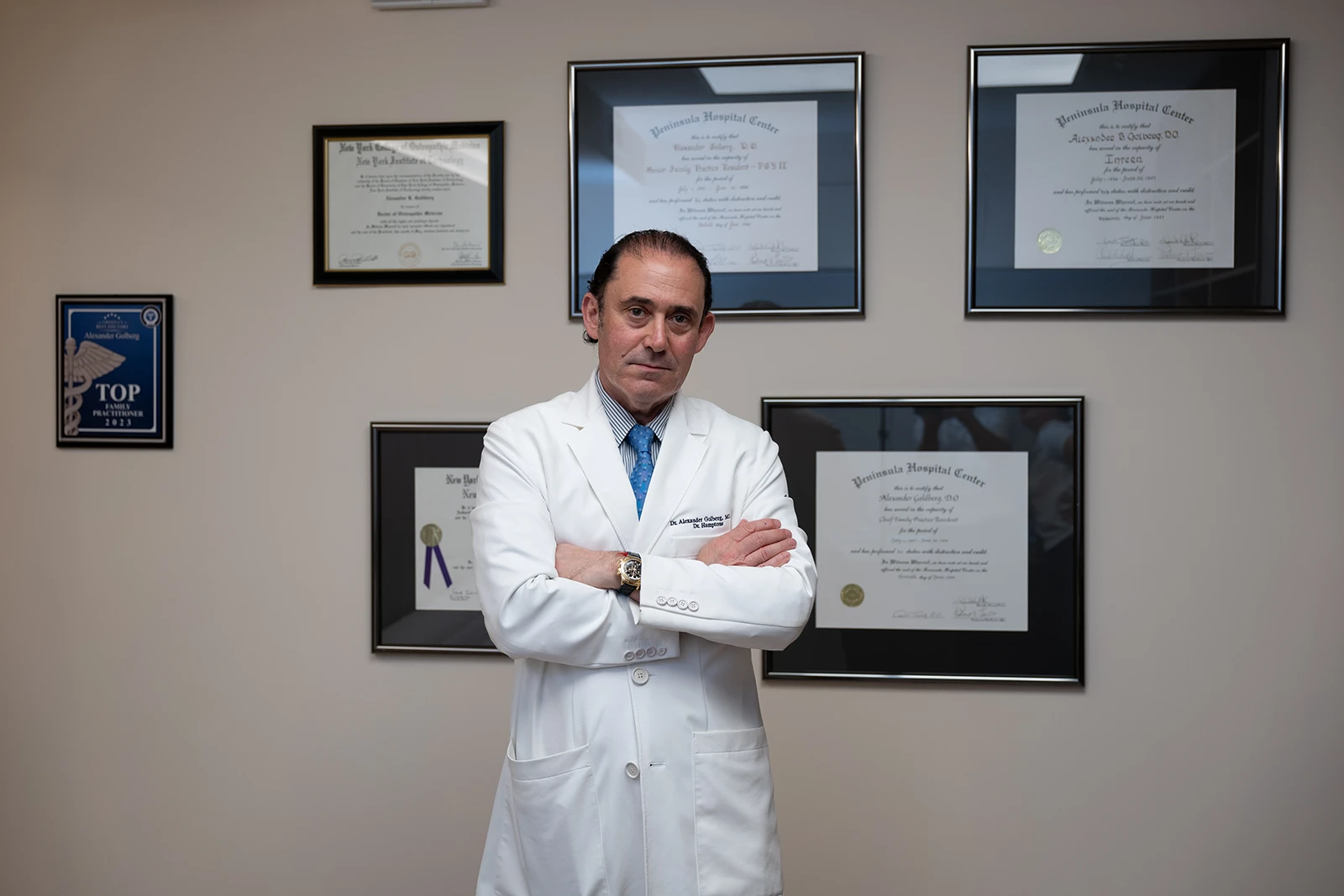
Dr. Alexander Golberg
Longevity Medicine · New York, NY
View Profile
Dr. Steven Victor
Regenerative Medicine Specialist
Longevity Medicine · New York, NY
View ProfileAre you a Longevity Medicine physician?
Join Haute MD Network and have your profile featured alongside these answers.
Apply for the NetworkRelated Guides
Guide · LONGEVITY MEDICINE
What Is Cold Exposure Therapy?
Cold exposure therapy uses cold water immersion or cryotherapy to trigger brown fat activation, norepinephrine release, and recovery benefits. Learn protocols and evidence.
Read GuideGuide · LONGEVITY MEDICINE
What Is Longevity Medicine?
Longevity medicine uses evidence-based diagnostics and interventions to extend healthspan — the years lived in good health. Learn what it involves and who it's for.
Read GuideGuide · LONGEVITY MEDICINE
What Is Preventive Cardiology?
Preventive cardiology identifies and treats cardiovascular risk before heart attack or stroke occurs. Learn what it involves, what tests matter most, and who needs it.
Read Guide