Longevity Medicine
What Is Longevity Medicine?
Last reviewed: May 2026 · Haute MD Editorial Team
Longevity medicine is a clinical discipline focused on extending healthspan — the years of life lived in good physical, cognitive, and metabolic health — rather than simply extending lifespan. It draws on evidence from geroscience (the biology of aging), preventive medicine, metabolic medicine, and advanced diagnostics to identify and address the root causes of age-related decline before they produce disease. Longevity medicine physicians use comprehensive biomarker testing, imaging, genetic and epigenetic analysis, and individualized intervention protocols to optimize health across the full lifespan. It is distinct from anti-aging marketing — it is evidence-based clinical medicine applied proactively.
What longevity medicine addresses
Longevity medicine addresses the biological drivers of aging that conventional medicine treats only after they produce disease — metabolic dysfunction (insulin resistance, dyslipidemia), cardiovascular risk (early atherosclerosis, hypertension), hormonal decline (testosterone, estrogen, thyroid, growth hormone), cognitive decline (early neurodegeneration markers, sleep disruption), musculoskeletal aging (sarcopenia, bone density loss), and immune senescence (chronic low-grade inflammation, immunosenescence). The goal is to intervene at stage 1 (subclinical dysfunction) rather than stage 4 (clinical disease), where intervention produces dramatically better outcomes.
How longevity medicine differs from conventional medicine
Conventional medicine is primarily reactive — it responds to symptoms and diagnoses after disease is established. Longevity medicine is proactive — it identifies subclinical risk and dysfunction through advanced testing before symptoms appear. Key differences — longevity physicians order comprehensive biomarker panels that go far beyond standard annual labs (fasting insulin, Lp(a), ApoB, hsCRP, homocysteine, DHEA-S, free testosterone, omega-3 index, advanced thyroid panel); they use imaging for early disease detection (coronary artery calcium scoring, carotid IMT, full-body MRI); they apply individualized interventions based on each patient's specific risk profile rather than population-average guidelines.
Who longevity medicine is for
Longevity medicine is most commonly sought by health-optimizing adults in their 30s-60s who want to proactively manage their aging trajectory rather than wait for problems to develop. It is appropriate for anyone who wants comprehensive understanding of their current health status and personalized strategies for maintaining function, vitality, and cognitive clarity across decades. It is also valuable for patients with family history of cardiovascular disease, dementia, cancer, or metabolic disease who want aggressive primary prevention. Concierge medicine practices and executive health programs frequently incorporate longevity medicine frameworks.
Frequently Asked Questions
Is longevity medicine the same as anti-aging medicine?
No — and the distinction matters. Anti-aging medicine is a broad and loosely regulated term applied to everything from evidence-based hormone optimization to unproven supplements and aesthetic treatments. Longevity medicine specifically refers to evidence-based clinical practice grounded in geroscience research — using validated biomarkers, clinically studied interventions, and individualized protocols. The best longevity physicians are typically board-certified internists, cardiologists, or endocrinologists with additional training in metabolic and preventive medicine.
How much does longevity medicine cost?
Comprehensive longevity medicine programs vary widely — from $3,000-$5,000 for a one-time executive health panel through concierge longevity practices charging $10,000-$50,000 annually for ongoing care. Advanced diagnostics (full-body MRI, comprehensive biomarker panels, genetic testing) add additional cost. Many longevity-focused internists practice within concierge or direct primary care models where the annual membership fee covers comprehensive evaluation and ongoing management.
What kind of doctor practices longevity medicine?
Longevity medicine is practiced by physicians from various backgrounds who have developed expertise in preventive and metabolic medicine — most commonly internists, cardiologists, endocrinologists, and family medicine physicians with additional training in functional or integrative medicine, metabolic health, or geroscience. The American Board of Preventive Medicine and the American College of Lifestyle Medicine offer relevant certifications. There is currently no single recognized longevity medicine board certification, though this is evolving.
Is longevity medicine covered by insurance?
Most longevity medicine services are not covered by insurance — they fall outside the reactive disease-treatment model that insurance reimbursement is built around. Basic preventive labs may be covered; advanced diagnostics, extended consultations, and comprehensive programs typically are not. Longevity medicine is predominantly practiced in cash-pay or concierge models. Some HSA/FSA funds can be applied to certain services.
Get Help Now
Speak with a Haute MD Longevity Medicine physician

Dr. George Kaltner
CEO
Longevity Medicine · Miami Beach, FL
View Profile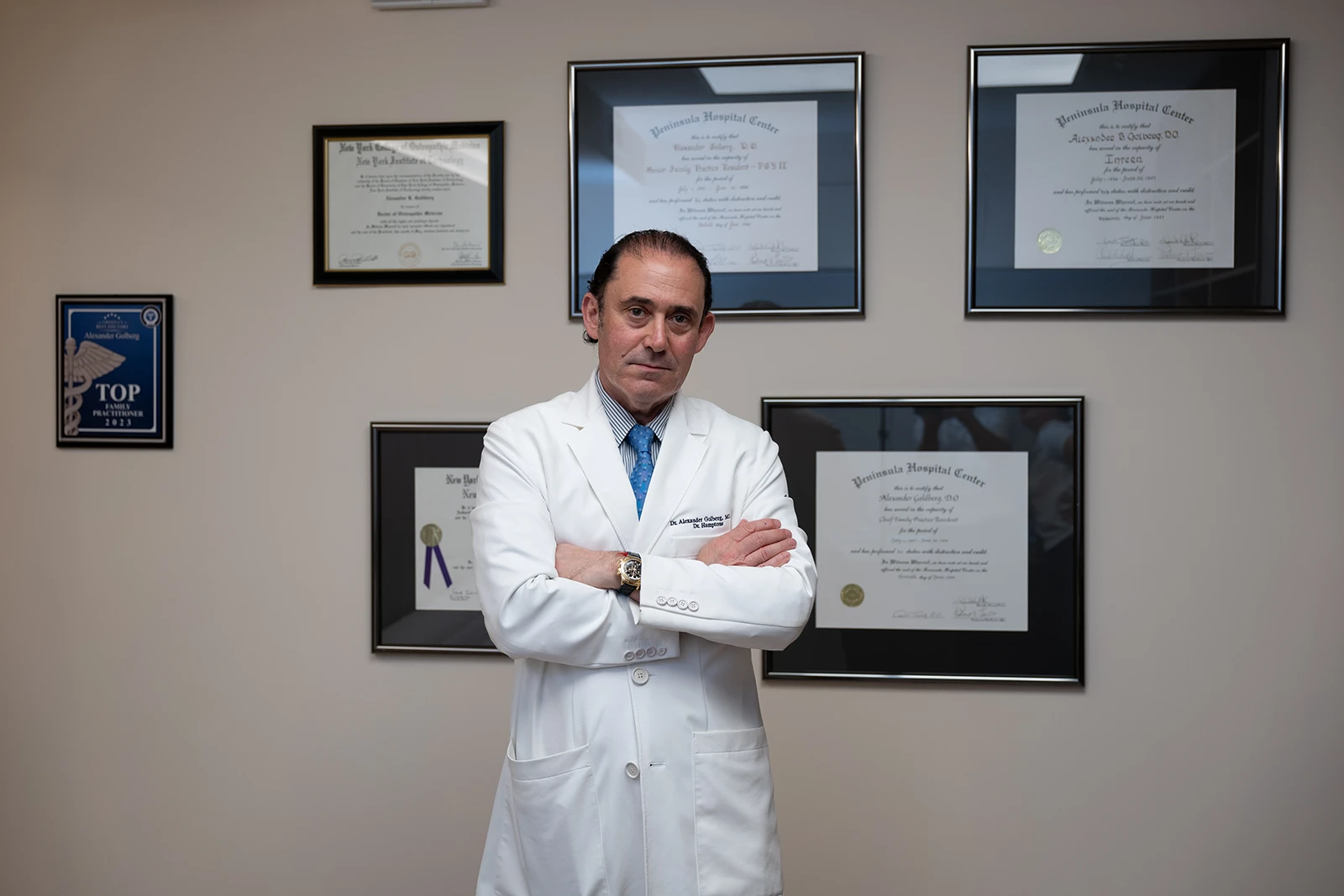
Dr. Alexander Golberg
Longevity Medicine · New York, NY
View Profile
Dr. Steven Victor
Regenerative Medicine Specialist
Longevity Medicine · New York, NY
View ProfileAre you a Longevity Medicine physician?
Join Haute MD Network and have your profile featured alongside these answers.
Apply for the NetworkRelated Guides
Guide · LONGEVITY MEDICINE
What Is Biological Age?
Biological age measures how old your cells and organs actually are — which may be years younger or older than your calendar age. Learn how it's measured and why it matters.
Read GuideGuide · LONGEVITY MEDICINE
What Is Healthspan?
Healthspan is the years lived in good health — free from disease, disability, and cognitive decline. Learn how it differs from lifespan and how to maximize it.
Read GuideGuide · LONGEVITY MEDICINE
What Is Executive Health Screening?
Executive health screening is a comprehensive one-day medical evaluation covering biomarkers, imaging, fitness testing, and cancer screening. Learn what's included and who it's for.
Read Guide