Longevity Medicine
What Is Cold Exposure Therapy?
Last reviewed: May 2026 · Haute MD Editorial Team
Cold exposure therapy is the deliberate use of cold — typically cold water immersion (ice baths at 38-55°F), cold showers, or whole-body cryotherapy — to trigger acute physiological adaptations including norepinephrine release, brown adipose tissue activation, and improved stress resilience. In longevity and performance medicine, cold exposure is used for recovery, mood and focus, metabolic effects, and emerging evidence around inflammation modulation — though the longevity evidence base is weaker than for exercise or sauna.
What happens physiologically during cold exposure
Within seconds of cold immersion, peripheral vasoconstriction shunts blood to the core, sympathetic nervous system activation surges, and norepinephrine release rises 2-5x baseline (and remains elevated for 1-2 hours post-exposure). Repeated cold exposure activates brown adipose tissue (BAT) — a metabolically active fat tissue that burns calories to generate heat — and improves cold-induced thermogenesis. Cold exposure also acutely raises mitochondrial biogenesis signaling (PGC-1α) and may improve insulin sensitivity in some populations. The acute stress response is hormetic — a small dose of stress producing adaptive benefit — though the longevity-specific evidence is far less robust than for exercise, sleep, or heat exposure.
Protocols and dosing
Cold water immersion (ice bath) — 38-55°F, 2-5 minutes per session, 2-4 sessions weekly. The Søberg protocol (named for the researcher) — approximately 11 minutes total per week, distributed across multiple sessions, appears to optimize brown fat activation. Cold showers — 1-3 minutes of cold (50-60°F) at the end of a normal shower; lower potency than immersion but more practical and produces meaningful norepinephrine response. Whole-body cryotherapy — 2-3 minutes at -200 to -300°F; convenient but evidence for benefit beyond cold water immersion is limited. Post-exercise timing matters: cold immediately after resistance training may blunt hypertrophy adaptations and should generally be avoided within 4-6 hours of strength work; cold after endurance training is less problematic.
Benefits, limits, and safety
Evidence-supported benefits — improved mood and alertness (clear, robust), reduced perception of fatigue and DOMS (clear), brown fat activation and modest metabolic improvement (clear with repeated exposure), and improved stress resilience and parasympathetic recovery between sessions (probable). Less-supported claims — meaningful weight loss, large insulin sensitivity improvements, or lifespan extension. Cold exposure is contraindicated in cardiovascular disease (the cold pressor response acutely raises blood pressure and heart rate), arrhythmias, Raynaud's, pregnancy, and uncontrolled hypertension. Start conservatively with cold showers before progressing to immersion; never do cold immersion alone in open water.
Frequently Asked Questions
Is cold exposure as beneficial as sauna for longevity?
No. The evidence base for sauna is substantially stronger — large Finnish cohort studies link regular sauna use to reduced all-cause and cardiovascular mortality. Cold exposure produces reliable acute effects on mood, alertness, and brown fat activation, but the longevity evidence is weaker. If choosing one, sauna has stronger longevity support; both can be done.
Should I do cold immersion after lifting?
Generally no. Cold immersion within 4-6 hours after resistance training appears to blunt muscle hypertrophy and strength adaptations by suppressing the local inflammatory signaling needed for muscle growth. Schedule cold exposure on rest days or before training, or separate it from lifting by 6+ hours.
What temperature and duration are optimal?
For brown fat activation and metabolic benefit, water cold enough that you genuinely want to get out (typically 38-55°F) for 2-5 minutes per session, totaling approximately 11 minutes weekly across 2-4 sessions. Colder water requires shorter duration; warmer water requires longer. Comfort is not the goal — the discomfort is the stimulus.
Is cold exposure safe for people with high blood pressure?
Cold immersion acutely raises blood pressure and heart rate via sympathetic activation. Individuals with uncontrolled hypertension, cardiovascular disease, arrhythmias, or who have had a heart attack or stroke should not do cold immersion without physician clearance. Cold showers may be tolerated, but immersion carries real cardiovascular risk in these populations.
Get Help Now
Speak with a Haute MD Longevity Medicine physician
Dr. George Kaltner
CEO
Longevity Medicine · Miami Beach, FL
View Profile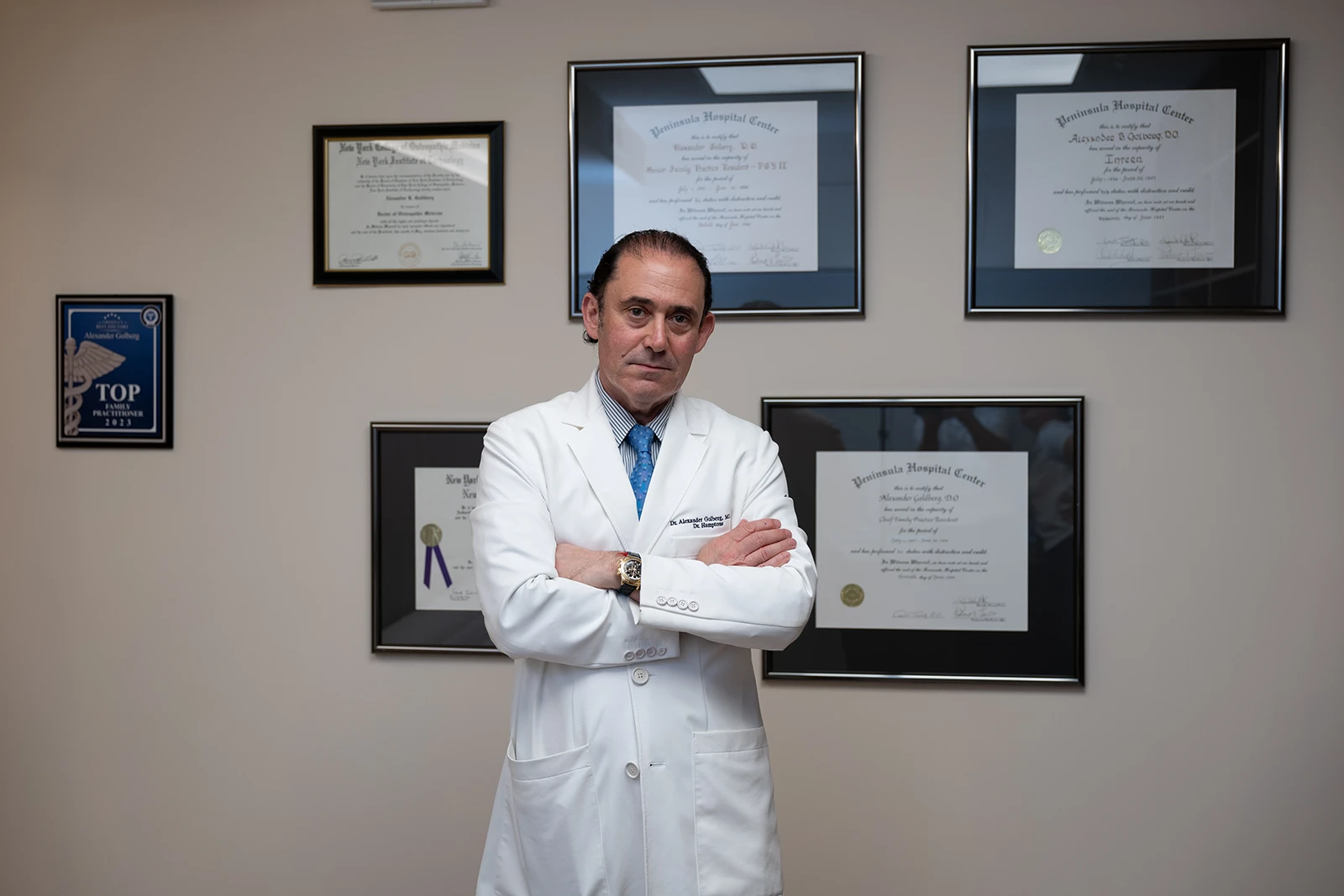
Dr. Alexander Golberg
Longevity Medicine · New York, NY
View Profile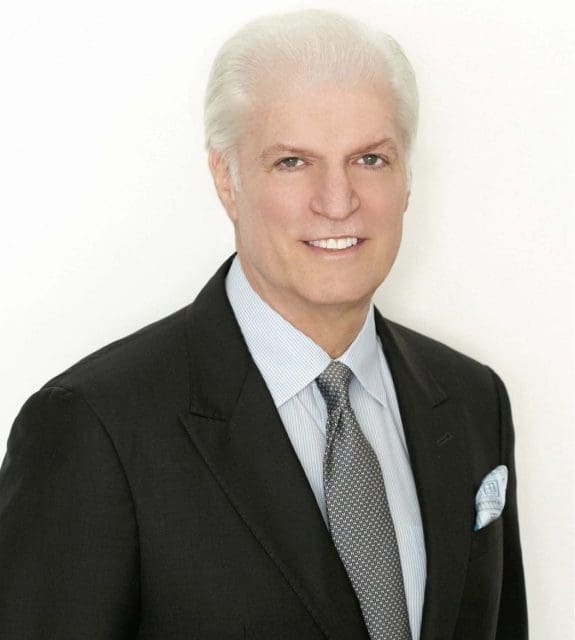
Dr. Steven Victor
Regenerative Medicine Specialist
Longevity Medicine · New York, NY
View ProfileAre you a Longevity Medicine physician?
Join Haute MD Network and have your profile featured alongside these answers.
Apply for the NetworkRelated Guides
Guide · LONGEVITY MEDICINE
What Is Heat Therapy and Sauna for Longevity?
Regular sauna use is linked to reduced cardiovascular and all-cause mortality. Learn the protocols, heat shock protein biology, and evidence behind sauna for longevity.
Read GuideGuide · LONGEVITY MEDICINE
What Is Mitochondrial Health? Why It Matters for Energy and Aging
Mitochondria produce cellular energy and decline with age. Learn what mitochondrial dysfunction looks like, what drives it, and how to support mitochondrial function.
Read GuideGuide · LONGEVITY MEDICINE
What Is Longevity Medicine?
Longevity medicine uses evidence-based diagnostics and interventions to extend healthspan — the years lived in good health. Learn what it involves and who it's for.
Read Guide