Longevity Medicine
What Does a Longevity Medicine Program Look Like? A Full Protocol
Last reviewed: May 2026 · Haute MD Editorial Team
A comprehensive longevity medicine program integrates advanced diagnostics, personalized intervention protocols, and regular monitoring into a systematic approach to extending healthspan. Unlike a single medical appointment or wellness check, a longevity medicine program is an ongoing clinical relationship in which a physician tracks the patient's biological aging trajectory, adjusts interventions based on response, and applies the current best evidence from geroscience and preventive medicine. The components of a high-quality longevity program — comprehensive baseline assessment, targeted intervention protocol, regular monitoring, and iterative refinement — are described in this article.
The baseline assessment
A comprehensive longevity baseline assessment establishes the patient's starting biological profile across all major aging-relevant systems. Cardiovascular — ApoB, Lp(a), hsCRP, homocysteine, fasting insulin, HOMA-IR, coronary artery calcium score, blood pressure, and resting heart rate. Metabolic — full metabolic panel, HbA1c, lipid panel, uric acid, omega-3 index, and body composition by DEXA scan. Hormonal — full thyroid panel (TSH, free T4, free T3, TPO antibodies), sex hormones (free testosterone, SHBG, estradiol), DHEA-S, IGF-1, cortisol (AM draw), and prolactin. Micronutrients — vitamin D, magnesium, ferritin, B12, zinc, and folate. Genetic and epigenetic — ApoE4 genotyping, MTHFR status, pharmacogenomics panel, and epigenetic age testing (GrimAge, DunedinPACE). Fitness — VO2 max testing, grip strength, gait speed, and balance assessment. Cancer screening — age-appropriate standard screening plus liquid biopsy if available.
The intervention protocol
The longevity intervention protocol is individualized based on assessment findings — but most comprehensive programs address all five pillars regardless of baseline. Exercise protocol — personalized aerobic training (Zone 2 minutes and high-intensity session frequency based on VO2 max starting point and schedule) and resistance training (2-4 sessions weekly, progressively loaded, with form instruction). Nutrition protocol — protein target (1.6-2.0g/kg daily with meal distribution guidance), elimination of ultra-processed foods, Mediterranean dietary pattern guidance, and specific food recommendations based on metabolic findings (lower carbohydrate if insulin resistant; higher omega-3 if low omega-3 index). Sleep protocol — sleep environment optimization, consistent timing, and sleep disorder screening/treatment. Supplement protocol — evidence-based supplements prioritized based on biomarker findings. Medical interventions — hormone therapy (if documented deficiency), lipid management (statin/ezetimibe/PCSK9 inhibitor based on ApoB and CVD risk), metabolic management (metformin if insulin resistant), and any other medication indicated by assessment findings.
Monitoring and iteration
Quarterly monitoring — key metabolic and hormonal markers plus subjective tracking of energy, sleep quality, physical performance, and cognitive function. Every 6 months — repeat epigenetic age testing (DunedinPACE) to assess biological aging pace response to protocol. Annually — comprehensive reassessment including advanced biomarker panel, VO2 max retest, body composition retest, and cancer screening update. Protocol adjustment — interventions producing measurable improvement in target biomarkers are continued; those not producing response are investigated (compliance? dose? wrong intervention for this patient's biology?) and adjusted. The iterative process — test, intervene, monitor, adjust — is what distinguishes a genuine longevity medicine program from a one-time assessment or wellness consultation.
Frequently Asked Questions
How do I find a longevity medicine physician?
Look for board-certified MD/DO physicians (typically internal medicine, family medicine, or preventive medicine) with additional longevity medicine training — fellowship through the American Academy of Anti-Aging Medicine (A4M), Institute for Functional Medicine certification, or training under established longevity physicians. Verify they offer comprehensive baseline assessment and ongoing monitoring rather than one-time consultations.
How much does a longevity medicine program cost?
Comprehensive longevity medicine programs typically cost $5,000-$25,000 annually depending on testing depth, monitoring frequency, and concierge access. Baseline assessment alone (including advanced biomarkers, DEXA, VO2 max, epigenetic testing) typically runs $2,500-$7,500. Most programs operate outside insurance; some lab work may be covered when ordered through insurance-eligible channels.
Can I do longevity medicine without a physician?
Many longevity-relevant interventions — exercise, sleep optimization, Mediterranean nutrition, basic supplementation — can be implemented without a physician. Advanced diagnostics interpretation (ApoB, fasting insulin, Lp(a), epigenetic age) and prescription interventions (statins, metformin, hormone therapy, rapamycin) require physician involvement. A hybrid approach — self-directed lifestyle plus periodic physician-guided assessment — is reasonable for many adults.
What is the most important first step in a longevity program?
A comprehensive baseline assessment that establishes the patient's actual starting point across cardiovascular, metabolic, hormonal, and functional measures. Without baseline data, interventions are generic rather than personalized, and progress cannot be measured. The second most important step — implementing the foundational exercise prescription (Zone 2 aerobic + resistance training) regardless of other findings.
Get Help Now
Speak with a Haute MD Longevity Medicine physician

Dr. George Kaltner
CEO
Longevity Medicine · Miami Beach, FL
View Profile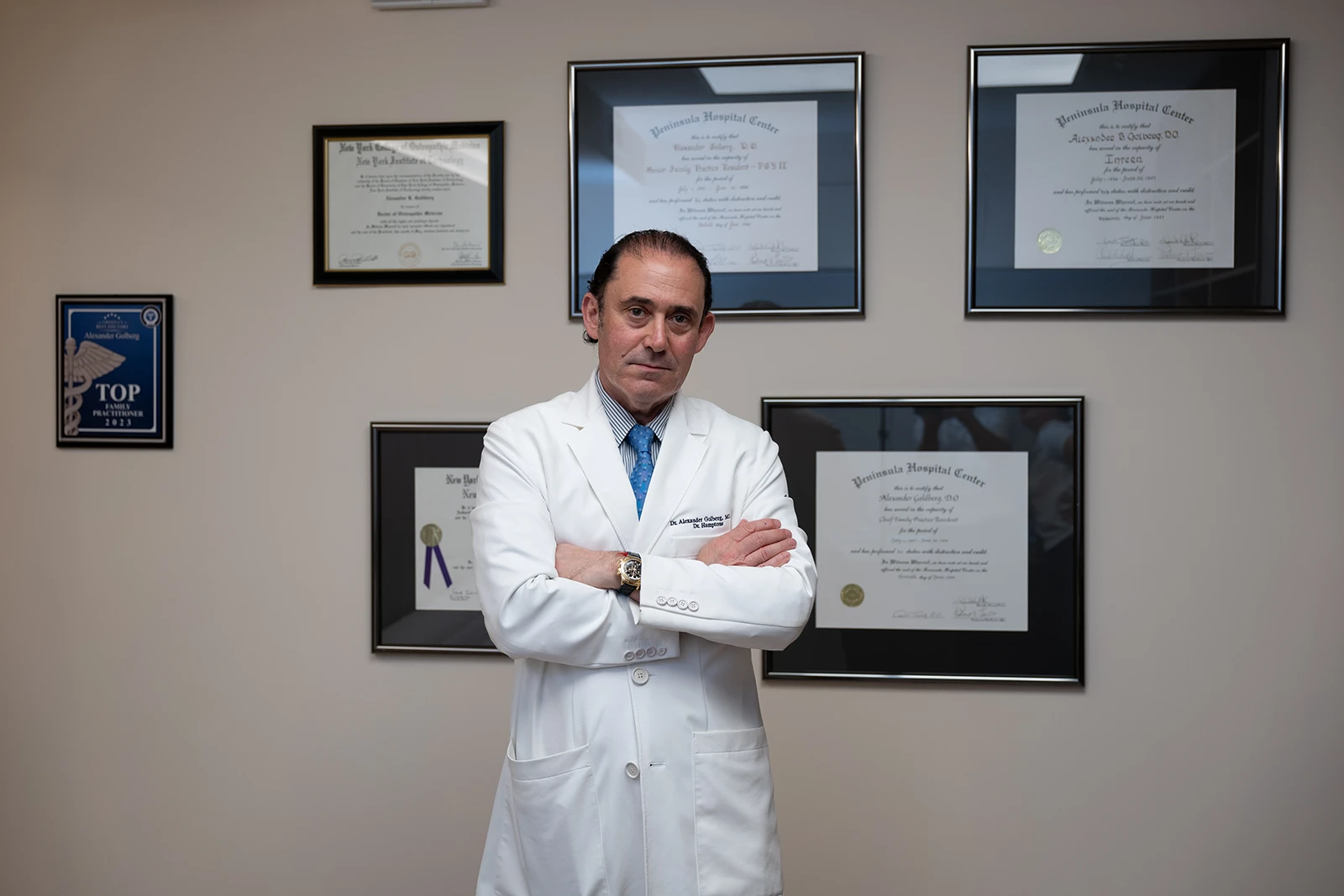
Dr. Alexander Golberg
Longevity Medicine · New York, NY
View Profile
Dr. Steven Victor
Regenerative Medicine Specialist
Longevity Medicine · New York, NY
View ProfileAre you a Longevity Medicine physician?
Join Haute MD Network and have your profile featured alongside these answers.
Apply for the NetworkRelated Guides
Guide · LONGEVITY MEDICINE
What Is Longevity Medicine?
Longevity medicine uses evidence-based diagnostics and interventions to extend healthspan — the years lived in good health. Learn what it involves and who it's for.
Read GuideGuide · LONGEVITY MEDICINE
What Is Executive Health Screening?
Executive health screening is a comprehensive one-day medical evaluation covering biomarkers, imaging, fitness testing, and cancer screening. Learn what's included and who it's for.
Read GuideGuide · LONGEVITY MEDICINE
What Biomarkers Predict Longevity? The Tests That Matter Most
Certain biomarkers predict longevity far better than standard annual labs. Learn which tests matter most, what optimal values look like, and how to get them ordered.
Read Guide