skin-concerns
Acne: Causes, Types, and Most Effective Treatments
Last reviewed: May 2026 · Haute MD Editorial Team
Acne is caused by a combination of four factors — excess sebum (oil) production, follicular plugging (clogged pores), Cutibacterium acnes bacterial overgrowth, and inflammation. The type of acne — comedonal (blackheads/whiteheads), inflammatory (papules/pustules), or nodulocystic (deep, painful nodules) — determines the appropriate treatment. Mild acne responds to over-the-counter topical retinoids and benzoyl peroxide. Moderate acne typically requires prescription topicals (tretinoin, clindamycin). Severe or nodulocystic acne often requires oral antibiotics, spironolactone (in women), or isotretinoin (Accutane).
Topical treatments — what works and what doesn't
Benzoyl peroxide (2.5-10%) kills C. acnes bacteria and reduces inflammation — available OTC, effective for inflammatory acne. Topical retinoids (tretinoin, adapalene) normalize follicular keratocyte turnover and prevent clogged pores — the cornerstone of comedonal acne treatment. Topical antibiotics (clindamycin) reduce bacterial load and inflammation but should not be used as monotherapy long-term due to resistance. Salicylic acid is a mild keratolytic — helpful for mild comedonal acne. Niacinamide reduces sebum and inflammation without antibiotic resistance concerns.
When oral medication is needed
Oral antibiotics (doxycycline, minocycline) are prescribed for moderate-to-severe inflammatory acne that has not responded to topicals — typically for 3-6 months combined with topical retinoids. Spironolactone is highly effective for hormonal acne in women — it blocks androgen receptors in the sebaceous glands, reducing oil production. Isotretinoin (Accutane) is the most powerful acne treatment available and the only one that produces long-term remission — reserved for severe, nodulocystic, or treatment-resistant acne.
Isotretinoin — what patients need to know
Isotretinoin is an oral vitamin A derivative that shrinks sebaceous glands, normalizes follicle lining, and has anti-inflammatory effects. A 4-6 month course produces long-term clearance in approximately 85% of patients. It requires monthly monitoring (blood lipids, liver enzymes, pregnancy test for women). It is teratogenic — women of childbearing potential must use two forms of contraception and enroll in the iPLEDGE risk management program. Side effects (dry skin, lips, and eyes; possible mood changes) are manageable with monitoring.
Frequently Asked Questions
Does diet cause acne?
Evidence supports a modest relationship between high-glycemic-index foods (white bread, sugary foods, refined carbohydrates) and acne severity. Dairy — particularly skim milk — has also been associated with acne in some studies. However, diet is rarely the primary driver of acne — it is a contributing factor in those with genetic predisposition.
How long does it take for acne treatment to work?
Most topical treatments take 6-8 weeks before meaningful improvement is visible. Oral antibiotics typically show results at 4-6 weeks. Isotretinoin often causes an initial flare in the first month before improvement begins at 2-3 months.
Can adults get acne?
Yes. Adult acne (acne appearing or persisting after age 25) affects approximately 15% of adult women and 5% of adult men. It is often hormonal in pattern (chin, jaw, neck) and may respond well to spironolactone in women or continued topical retinoid use.
When should I see a dermatologist for acne?
See a dermatologist when acne involves cysts or nodules; OTC treatments have not helped after 3-4 months; acne is leaving scars or significant dark marks; acne is significantly affecting your confidence or quality of life; or you are considering isotretinoin.
Get Help Now
Speak with a Haute MD Dermatology physician
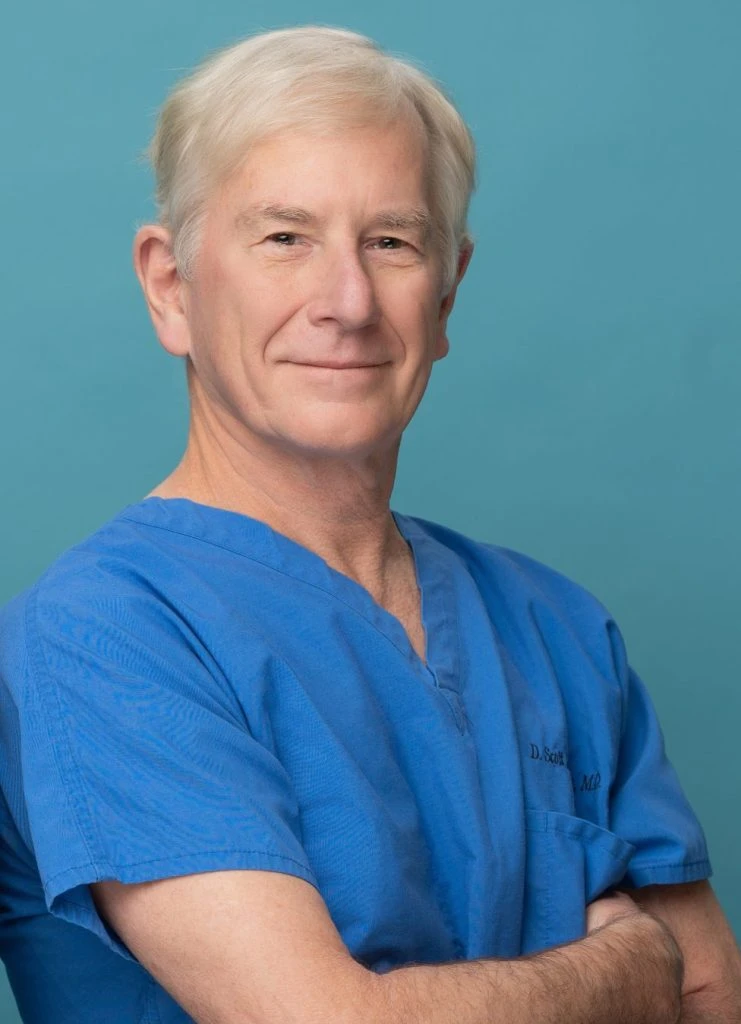
Dr. Daniel Scott Karempelis
Dermatologist
Dermatology · Atlanta, Georgia, GA
View Profile
Dr. Bertha Baum
Board-Certified Dermatologist
Dermatology · Aventura, FL
View Profile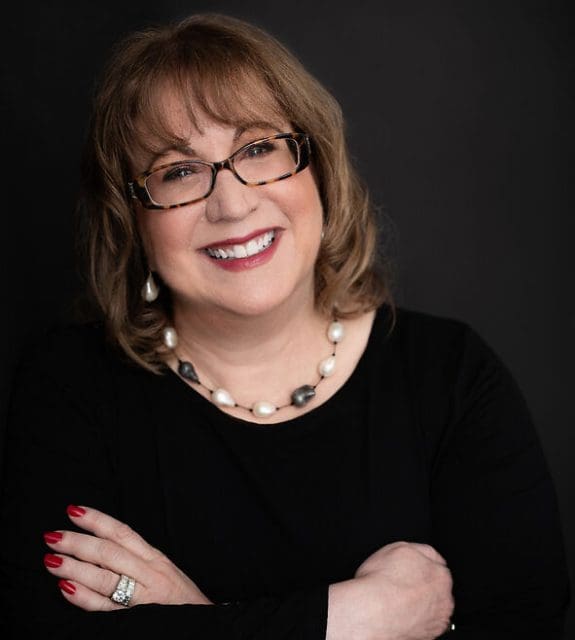
Dr. Victoria Cirillo-Hyland
Dermatologist
Dermatology · Bryn Mawr, PA
View ProfileAre you a Dermatology physician?
Join Haute MD Network and have your profile featured alongside these answers.
Apply for the NetworkRelated Guides
Guide · SKIN-CONCERNS
What Is Rosacea?
Rosacea causes chronic facial redness, flushing, and sometimes acne-like bumps. Learn the four types, common triggers, and most effective prescription treatments.
Read GuideGuide · SKIN-CONCERNS
What Is Melasma?
Melasma causes brown patches on the face triggered by sun exposure and hormones. Learn which treatments actually work — and why sunscreen is non-negotiable.
Read GuideGuide · SKIN-CONCERNS
Anti-Aging Skincare: What Actually Works According to Dermatologists
Retinoids, SPF, and antioxidants are the three evidence-based pillars of anti-aging skincare. Learn what works, what doesn't, and what to look for in products.
Read Guide