skin-concerns
What Is Rosacea?
Last reviewed: May 2026 · Haute MD Editorial Team
Rosacea is a chronic inflammatory skin condition that primarily affects the central face — causing persistent redness, flushing, visible blood vessels (telangiectasia), and in some subtypes, acne-like papules and pustules. It affects approximately 16 million Americans, most commonly fair-skinned individuals between 30-60. Rosacea has no cure but is very manageable with appropriate treatment and trigger avoidance. Left untreated, it tends to progress — early management produces better long-term outcomes.
The four subtypes of rosacea
Erythematotelangiectatic rosacea (ETR) — the most common subtype — causes persistent central facial redness, flushing, and visible blood vessels with sensitive skin. Papulopustular rosacea resembles acne with red bumps and pustules but without comedones (blackheads), distinguishing it from true acne. Phymatous rosacea causes skin thickening and irregular texture, most famously on the nose (rhinophyma) — predominantly affecting men. Ocular rosacea causes eye redness, dryness, burning, and lid inflammation — often occurring alongside or even preceding skin symptoms.
Common triggers to identify and avoid
Rosacea flares are triggered by factors that cause facial flushing — sun exposure (the most universal trigger), heat (hot drinks, spicy food, hot weather, exercise), alcohol (particularly red wine), stress, certain skincare ingredients (alcohol, fragrance, witch hazel, menthol), and some medications. Keeping a trigger diary and systematically eliminating triggers is as important as any treatment.
Treatment options
Topical metronidazole (Metrogel) and azelaic acid reduce redness and papules — the most common first-line prescriptions. Topical brimonidine (Mirvaso) and oxymetazoline (Rhofade) constrict blood vessels to temporarily reduce redness — not long-term treatments. Oral doxycycline (40mg modified-release, sub-antimicrobial dose) treats papulopustular rosacea. Laser and IPL treatments target telangiectasia and persistent redness effectively. Sunscreen (SPF 30+, physical/mineral formula) is the most important daily step for all subtypes.
Frequently Asked Questions
Is rosacea the same as acne?
No. Rosacea and acne share some features (redness, bumps) but are distinct conditions with different causes and treatments. Rosacea has no comedones (blackheads/whiteheads), occurs on the central face in adults, and is associated with flushing triggers. Standard acne treatments (benzoyl peroxide, salicylic acid) can irritate rosacea-prone skin.
Can rosacea be cured?
There is no cure for rosacea — it is a chronic condition that requires ongoing management. With appropriate treatment and trigger avoidance, most patients achieve excellent control with minimal symptoms.
Does SPF help rosacea?
Sun exposure is the most common rosacea trigger and UV radiation worsens vascular inflammation. Daily broad-spectrum SPF 30+ — mineral/physical sunscreen containing zinc oxide or titanium dioxide is better tolerated by sensitive rosacea skin than chemical sunscreens — is the single most important daily step for managing rosacea.
Can stress make rosacea worse?
Yes. Psychological stress triggers facial flushing through neuroimmune mechanisms and is a well-documented rosacea trigger. Stress management — exercise, sleep, mindfulness-based practices — has demonstrated benefit for inflammatory skin conditions including rosacea.
Get Help Now
Speak with a Haute MD Dermatology physician
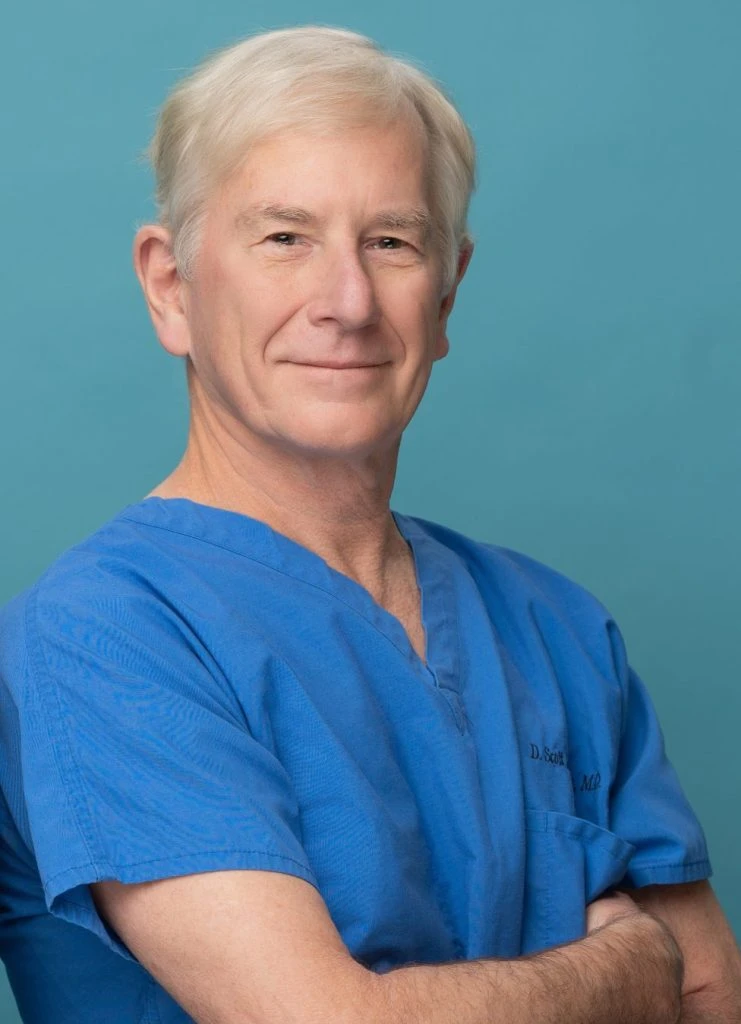
Dr. Daniel Scott Karempelis
Dermatologist
Dermatology · Atlanta, Georgia, GA
View Profile
Dr. Bertha Baum
Board-Certified Dermatologist
Dermatology · Aventura, FL
View Profile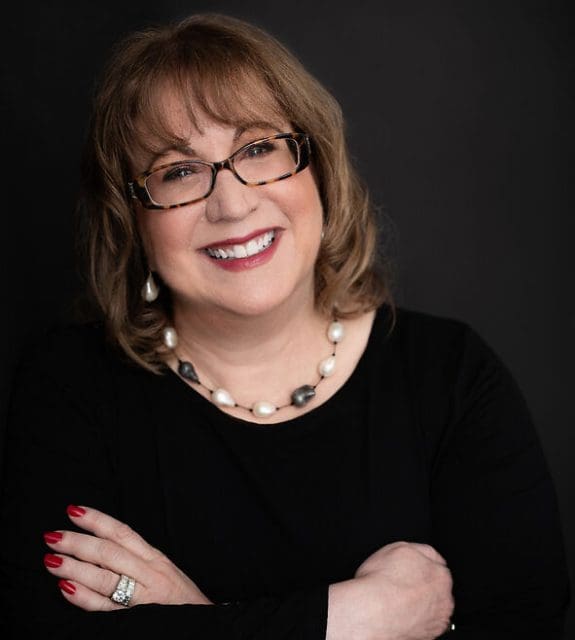
Dr. Victoria Cirillo-Hyland
Dermatologist
Dermatology · Bryn Mawr, PA
View ProfileAre you a Dermatology physician?
Join Haute MD Network and have your profile featured alongside these answers.
Apply for the NetworkRelated Guides
Guide · SKIN-CONCERNS
Acne: Causes, Types, and Most Effective Treatments
Acne is caused by clogged pores, excess oil, bacteria, and inflammation. Learn the most effective prescription and non-prescription treatments for every type of acne.
Read GuideGuide · SKIN-CONCERNS
Sun-Damaged Skin: What It Looks Like and How to Treat It
Sun damage causes dark spots, uneven tone, wrinkles, and rough texture. Learn which treatments reverse sun damage most effectively and what to expect.
Read GuideGuide · SKIN-CONCERNS
What Is Melasma?
Melasma causes brown patches on the face triggered by sun exposure and hormones. Learn which treatments actually work — and why sunscreen is non-negotiable.
Read Guide