skin-concerns
Anti-Aging Skincare: What Actually Works According to Dermatologists
Last reviewed: May 2026 · Haute MD Editorial Team
The three evidence-based pillars of anti-aging skincare are retinoids (prescription tretinoin or OTC retinol) — the most extensively studied topical anti-aging ingredients that accelerate cell turnover, stimulate collagen, and fade hyperpigmentation; broad-spectrum SPF 30+ applied daily — which prevents the UV-induced collagen breakdown and DNA damage that drive most visible aging; and antioxidants (vitamin C, niacinamide, vitamin E) — which neutralize free radicals from UV and pollution before they damage skin cells. Everything else in anti-aging skincare plays a supporting role to these three fundamentals.
Retinoids — the gold standard
Tretinoin (prescription) is the most potent and best-studied retinoid — producing measurable improvements in fine lines, texture, pigmentation, and collagen at concentrations as low as 0.025%. Start with the lowest concentration 2-3 nights per week, increase frequency as tolerated. Initial irritation (redness, peeling) is normal and typically subsides after 4-8 weeks of consistent use. OTC retinol converts to retinoic acid in the skin at lower efficiency — effective but requires higher concentrations and longer time to results. Adapalene 0.1% (Differin) is OTC, well-tolerated, and effective.
What doesn't work despite heavy marketing
Collagen supplements — collagen molecules are too large to be absorbed intact through the skin. Topical collagen adds nothing beyond moisturization. Stem cell creams — plant stem cell extracts do not interact with human skin stem cells. Peptide creams — some peptides (Matrixyl) have modest evidence for collagen stimulation at high concentrations; most peptide products contain too little active ingredient to produce meaningful results. LED devices — low-level light therapy has some evidence for wound healing and acne; anti-aging evidence is limited.
A simple, evidence-based daily routine
Morning — gentle cleanser, vitamin C serum (15-20% L-ascorbic acid), SPF 30+ moisturizer. Evening — gentle cleanser, retinoid (start 2-3x per week, increase gradually), moisturizer. Monthly investment in SPF and retinoids produces far more measurable anti-aging benefit than expensive serums with unproven ingredients.
Frequently Asked Questions
At what age should I start anti-aging skincare?
SPF daily is appropriate from childhood. A retinoid can be started in the mid-20s to early 30s for prevention — before visible signs of aging appear. Vitamin C serum can be added at any age for antioxidant protection. The most effective anti-aging skincare is preventive, not corrective.
Does expensive skincare work better than drugstore products?
Price is not a reliable indicator of efficacy. Tretinoin (prescription, inexpensive) outperforms most luxury anti-aging products. Sunscreen efficacy is standardized by SPF rating — an SPF 50 drugstore sunscreen provides the same UV protection as a $100 luxury version. Look for active ingredients at effective concentrations, not marketing claims or price.
Can I use retinol and vitamin C together?
Yes, with timing. Apply vitamin C in the morning (it works synergistically with SPF for antioxidant protection). Apply retinol at night (it is photosensitizing). Using both in the same routine at the same time can cause irritation in sensitive skin. Alternating them morning/evening is the most comfortable and effective approach.
Is it too late to start anti-aging skincare in my 50s or 60s?
Not at all. Tretinoin produces measurable collagen improvement and texture refinement at any age — studies show benefits in post-menopausal women. SPF prevents further damage regardless of when started. The skin is continuously remodeling — there is always benefit from starting evidence-based treatment.
Get Help Now
Speak with a Haute MD Dermatology physician
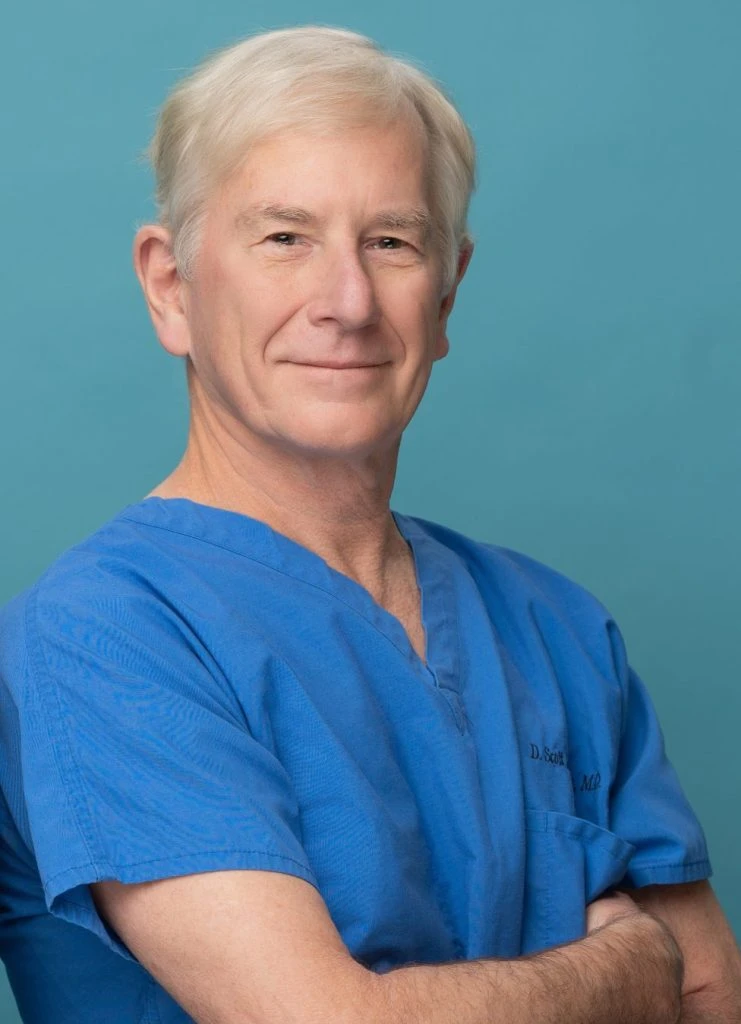
Dr. Daniel Scott Karempelis
Dermatologist
Dermatology · Atlanta, Georgia, GA
View Profile
Dr. Bertha Baum
Board-Certified Dermatologist
Dermatology · Aventura, FL
View Profile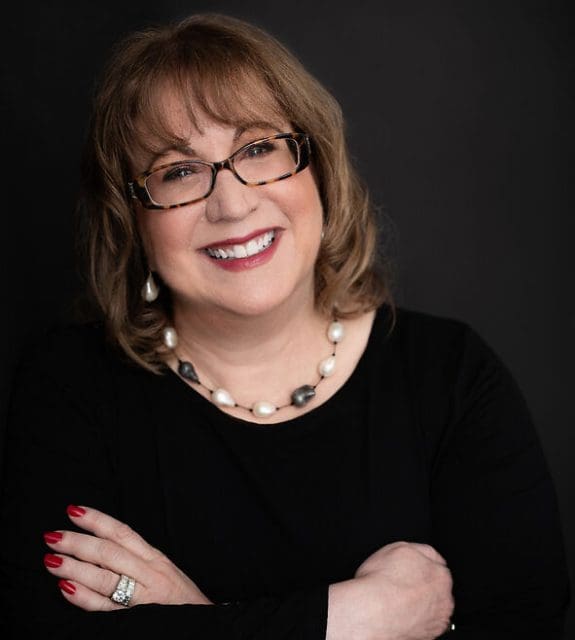
Dr. Victoria Cirillo-Hyland
Dermatologist
Dermatology · Bryn Mawr, PA
View ProfileAre you a Dermatology physician?
Join Haute MD Network and have your profile featured alongside these answers.
Apply for the NetworkRelated Guides
Guide · SKIN-CONCERNS
Sun-Damaged Skin: What It Looks Like and How to Treat It
Sun damage causes dark spots, uneven tone, wrinkles, and rough texture. Learn which treatments reverse sun damage most effectively and what to expect.
Read GuideGuide · SKIN-CONCERNS
What Is Melasma?
Melasma causes brown patches on the face triggered by sun exposure and hormones. Learn which treatments actually work — and why sunscreen is non-negotiable.
Read GuideGuide · SKIN-CONCERNS
What Causes Skin Cancer?
UV radiation is the leading cause of skin cancer. Learn the risk factors for melanoma, basal cell, and squamous cell carcinoma — and how to reduce your risk.
Read Guide