Longevity Medicine
What Is Young Blood Plasma?
Last reviewed: May 2026 · Haute MD Editorial Team
Young blood plasma transfusion is the practice of administering plasma from young donors to older recipients with the goal of rejuvenating aged tissues — inspired by animal parabiosis experiments showing benefit when old and young circulatory systems are joined. The intervention has received significant media attention and commercial offerings, but the human evidence is limited and the FDA has issued strong cautions.
Origins in parabiosis research
Parabiosis — surgically joining the circulatory systems of two animals — has been used since the 19th century to study shared blood factors. In the 2000s, Thomas Rando, Amy Wagers, and colleagues showed that joining young and old mice (heterochronic parabiosis) produced regenerative effects in the older animal: improved muscle repair, brain neurogenesis, liver regeneration, and bone healing. Subsequent work tried to identify specific 'young' factors responsible (GDF11 was an early candidate, later questioned), but no single rejuvenating factor has been definitively identified. The current scientific understanding is that parabiosis effects likely involve both addition of beneficial young factors AND removal/dilution of detrimental aged factors — and the dilution effect alone (as in plasmapheresis with albumin) may capture much of the benefit, as Conboy lab experiments have shown.
Human trials and the FDA position
Several small human trials of young plasma in older recipients have been conducted: an Alzheimer's trial showed no cognitive benefit; pilot studies in healthy older adults have reported some biomarker changes but no clear functional outcomes. Commercial offerings (notably the Ambrosia company in 2017-2019) marketed young plasma infusions to wealthy clients for thousands of dollars per liter, with limited published evidence. In February 2019 the FDA issued a strong safety alert warning against young plasma transfusions for aging, cognitive decline, Alzheimer's, Parkinson's, or any other condition, stating there is 'no proven clinical benefit' and that the products 'may cause significant harms.' The FDA cited risks including allergic reactions, transfusion-associated lung injury, and infectious disease transmission. Ambrosia paused operations after the FDA alert and has had a complicated regulatory history since.
What the current best practice looks like
Most longevity physicians do not recommend young blood plasma transfusion. The evidence does not support meaningful longevity benefit; the costs are high ($8,000-$15,000+ per liter); the risks are nontrivial; and the FDA has explicitly warned against it. The more promising line of research from the same scientific origins is plasma dilution via plasmapheresis with albumin replacement — which captures the apparent dilution effect without requiring donor plasma, and has a stronger safety profile in established medical use. For adults interested in this area of longevity research, current best advice: follow the science as it evolves, but do not pursue commercial young plasma transfusion in the current evidence environment. Foundational longevity interventions (exercise, sleep, diet, social connection, validated biomarker management) have orders-of-magnitude stronger evidence per dollar.
Frequently Asked Questions
Has the FDA approved young blood plasma for anti-aging?
No. In February 2019 the FDA issued a strong public safety alert warning consumers and healthcare providers against young plasma infusions for aging, dementia, or any other longevity indication, stating there is no proven clinical benefit and citing safety risks. The agency has not approved any young plasma product for longevity indications since.
Did the Ambrosia young plasma study show benefit?
The published preliminary results did not show meaningful clinical benefit. Some biomarker changes were reported but did not translate to demonstrable functional or longevity outcomes. The company paused operations after the 2019 FDA alert and has had an uneven regulatory history since.
Is plasmapheresis (dilution) a better option than young plasma?
From a research-evidence standpoint, probably yes. Conboy lab experiments suggest that plasma dilution with albumin (removing aged factors) captures most or all of the rejuvenating effect seen in parabiosis, without requiring donor plasma. Plasmapheresis is also a well-established medical procedure with decades of safety data, while young plasma transfusion for longevity carries explicit FDA warnings.
Are there any safe ways to get the parabiosis-like effect?
Plasmapheresis (in qualified medical settings) and behavioral interventions that reduce chronic inflammation — exercise, fasting, weight loss, sleep optimization — appear to reduce the accumulated 'pro-aging' factors that parabiosis research suggests are detrimental. These are the practical, evidence-supported applications of the parabiosis insights for most adults.
Get Help Now
Speak with a Haute MD Longevity Medicine physician
Dr. George Kaltner
CEO
Longevity Medicine · Miami Beach, FL
View Profile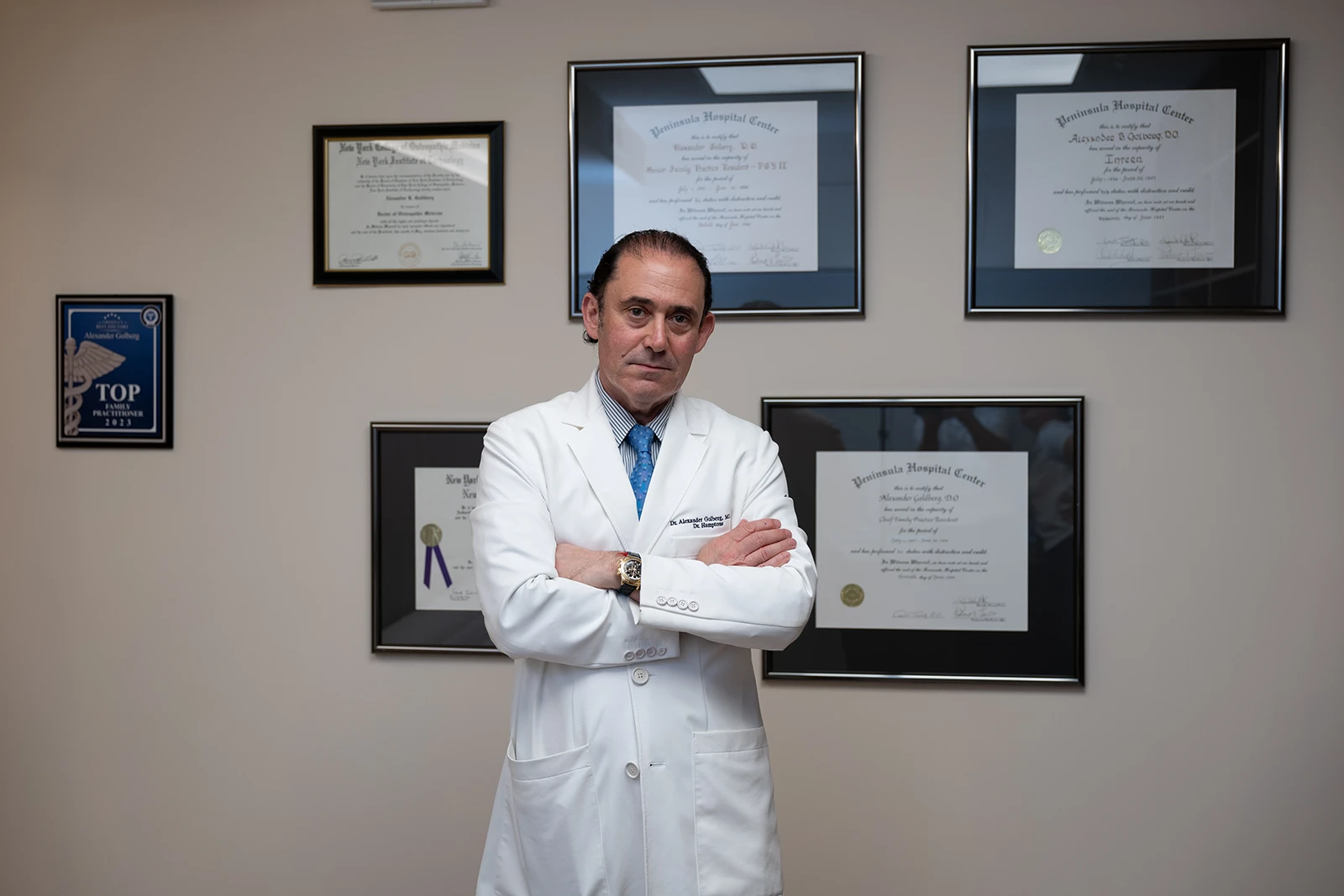
Dr. Alexander Golberg
Longevity Medicine · New York, NY
View Profile
Dr. Steven Victor
Regenerative Medicine Specialist
Longevity Medicine · New York, NY
View ProfileAre you a Longevity Medicine physician?
Join Haute MD Network and have your profile featured alongside these answers.
Apply for the NetworkRelated Guides
Guide · LONGEVITY MEDICINE
What Is Plasmapheresis for Longevity?
Therapeutic plasma exchange (plasmapheresis) is being investigated for longevity. Learn what it does, the early evidence, and the practical considerations.
Read GuideGuide · LONGEVITY MEDICINE
What Are the Hallmarks of Aging? The Biology Behind Why We Age
The hallmarks of aging are the 12 fundamental biological mechanisms driving aging. Learn what they are and how longevity interventions target them.
Read GuideGuide · LONGEVITY MEDICINE
What Is Cellular Aging?
Cellular aging refers to the molecular damage that accumulates inside cells over time. Learn the key mechanisms and how longevity medicine targets them.
Read Guide