Longevity Medicine
What Is Cellular Aging?
Last reviewed: May 2026 · Haute MD Editorial Team
Cellular aging is the accumulation of molecular damage inside cells that progressively impairs their function and ultimately drives the visible and clinical features of aging — declining tissue repair, chronic inflammation, organ dysfunction, and increased disease risk. It is the level at which most modern longevity interventions are designed to act.
What happens to cells as they age
Cells accumulate multiple forms of damage over decades: (1) DNA damage from radiation, oxidative stress, and replication errors — DNA repair systems work continuously but accumulate failures; (2) telomere shortening — protective DNA caps shorten with each cell division until cells either senesce or die; (3) mitochondrial dysfunction — energy-producing organelles accumulate damage, producing less ATP and more reactive oxygen species; (4) protein misfolding and aggregation — damaged proteins accumulate when proteostasis (the protein quality-control system) fails; (5) epigenetic drift — patterns of gene expression become dysregulated, often silencing useful genes and activating harmful ones; (6) cellular senescence — damaged cells stop dividing but remain metabolically active, secreting inflammatory factors (the senescence-associated secretory phenotype, SASP) that damage neighboring tissue; (7) impaired autophagy — the cellular recycling system slows, allowing damaged components to accumulate; (8) stem cell exhaustion — tissue-specific stem cells decline in number and function, reducing regenerative capacity.
How cellular damage translates to clinical aging
These molecular processes produce the visible and functional features of aging through several pathways. Senescent cells accumulating in tissues drive chronic low-grade inflammation ('inflammaging'), which underlies cardiovascular disease, neurodegeneration, sarcopenia, and cancer. Mitochondrial dysfunction reduces energy capacity in metabolically active tissues — heart, brain, muscle — contributing to fatigue, cognitive decline, and reduced exercise capacity. DNA damage and epigenetic drift increase cancer risk and impair tissue maintenance. Stem cell exhaustion slows wound healing, immune renewal, and tissue repair. Protein aggregation directly causes Alzheimer's, Parkinson's, and other neurodegenerative diseases. The pace of these processes varies dramatically between individuals based on genetics, environment, and behavior — explaining why chronological age and biological age can diverge by a decade or more.
What can be done about it
Cellular aging is increasingly tractable. Validated lifestyle interventions: exercise (particularly Zone 2 cardio + resistance training) improves mitochondrial function, supports autophagy, and reduces inflammation; caloric restriction and intermittent fasting upregulate autophagy and reduce mTOR signaling; quality sleep supports DNA repair and brain glymphatic clearance; Mediterranean-pattern diet provides polyphenols and omega-3s that reduce oxidative damage. Investigational pharmacology: rapamycin (selectively inhibits mTOR, the central nutrient-sensing pathway), metformin (improves mitochondrial efficiency and AMPK activation), senolytics (drugs designed to selectively kill senescent cells — quercetin + dasatinib, fisetin), NAD+ precursors (NR, NMN — supporting mitochondrial function), and emerging epigenetic reprogramming approaches. Most pharmacologic interventions remain investigational with limited human longevity outcome data; lifestyle interventions have the strongest evidence and the largest cumulative effect. The field is advancing rapidly — what is investigational in 2026 may be standard practice within a decade.
Frequently Asked Questions
Can cellular aging be reversed?
Partial reversal is possible at the molecular level — exercise demonstrably improves mitochondrial function, fasting upregulates autophagy, and emerging epigenetic reprogramming experiments in animals have reversed measured age in cells. Reversing aging at the organism level is still beyond current medicine, but slowing the rate of cellular damage and clearing damaged cells (e.g., senolytics) is increasingly within reach.
Are anti-aging supplements actually working at the cellular level?
Most consumer supplements have weak or no human evidence for cellular-level effects. NAD+ precursors (NR, NMN) raise blood NAD+ levels but have limited evidence for clinical longevity benefit. Most validated interventions are behavioral (exercise, fasting, sleep, diet) or investigational pharmaceuticals (rapamycin, senolytics) rather than over-the-counter supplements.
How do I measure my cellular age?
Epigenetic clocks (Horvath, GrimAge, PhenoAge) measure DNA methylation patterns to estimate biological age. Direct-to-consumer tests (TruDiagnostic, Elysium) cost $200-$500. These tests are best used for tracking change over time within an individual rather than for absolute comparison between people.
What is the most evidence-supported intervention to slow cellular aging?
Regular exercise — combining aerobic (Zone 2) and resistance training — has the strongest evidence across nearly every cellular aging mechanism. It improves mitochondrial function, supports autophagy, reduces inflammation, preserves telomeres, and is associated with biological age slowing in epigenetic clocks.
Get Help Now
Speak with a Haute MD Longevity Medicine physician
Dr. George Kaltner
CEO
Longevity Medicine · Miami Beach, FL
View Profile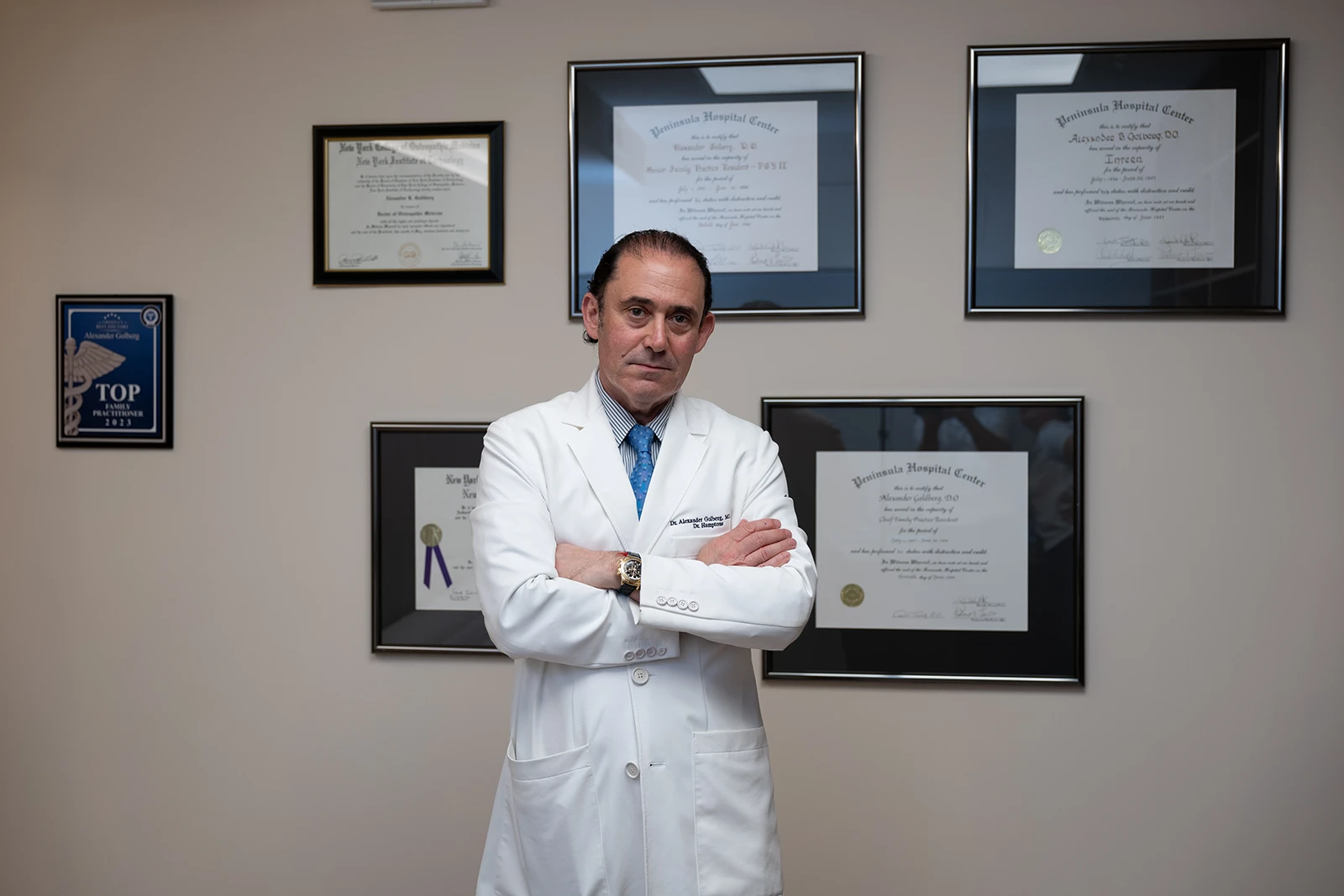
Dr. Alexander Golberg
Longevity Medicine · New York, NY
View Profile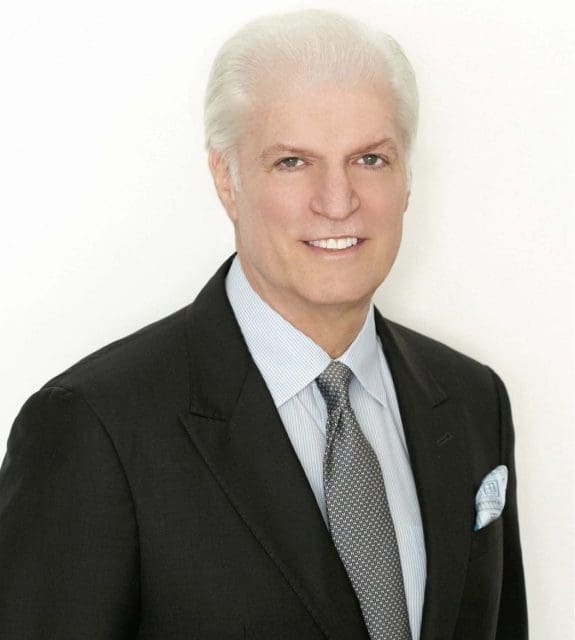
Dr. Steven Victor
Regenerative Medicine Specialist
Longevity Medicine · New York, NY
View ProfileAre you a Longevity Medicine physician?
Join Haute MD Network and have your profile featured alongside these answers.
Apply for the NetworkRelated Guides
Guide · LONGEVITY MEDICINE
What Are the Hallmarks of Aging? The Biology Behind Why We Age
The hallmarks of aging are the 12 fundamental biological mechanisms driving aging. Learn what they are and how longevity interventions target them.
Read GuideGuide · LONGEVITY MEDICINE
What Is Mitochondrial Health? Why It Matters for Energy and Aging
Mitochondria produce cellular energy and decline with age. Learn what mitochondrial dysfunction looks like, what drives it, and how to support mitochondrial function.
Read Guide