Longevity Medicine
What Are the Hallmarks of Aging? The Biology Behind Why We Age
Last reviewed: May 2026 · Haute MD Editorial Team
The hallmarks of aging are a framework for understanding the fundamental biological mechanisms that drive the aging process — published by Lopez-Otin et al. in Cell in 2013 and updated in 2023 to include additional mechanisms. The original nine hallmarks — genomic instability, telomere attrition, epigenetic alterations, loss of proteostasis, deregulated nutrient sensing, mitochondrial dysfunction, cellular senescence, stem cell exhaustion, and altered intercellular communication — provide a mechanistic map of aging that longevity medicine interventions target. The updated 2023 framework adds three additional hallmarks: disabled macroautophagy, chronic inflammation (inflammaging), and dysbiosis (gut microbiome disruption). Each hallmark is interconnected — interventions addressing one typically improve multiple others simultaneously.
Primary hallmarks — the initiating damage
Genomic instability — accumulation of DNA damage from reactive oxygen species, radiation, replication errors, and environmental mutagens drives aging in all tissues. DNA repair efficiency declines with age, allowing more damage to accumulate. Telomere attrition — progressive shortening of telomeres (chromosomal end caps) with each cell division, eventually triggering cellular senescence or apoptosis when critically short. Epigenetic alterations — age-related changes in DNA methylation patterns, histone modifications, and chromatin remodeling that disrupt gene expression patterns across tissues. These 'epigenetic drift' changes are the basis of epigenetic aging clocks. Loss of proteostasis — failure of the cellular machinery (chaperones, ubiquitin-proteasome system, autophagy) that maintains protein quality control, leading to accumulation of misfolded and aggregated proteins — the hallmark of neurodegenerative disease.
Antagonistic and integrative hallmarks
Deregulated nutrient sensing — the insulin/IGF-1, mTOR, AMPK, and sirtuin pathways that regulate cellular metabolism in response to nutrient availability become progressively dysregulated with aging — driving metabolic dysfunction, reduced autophagy, and impaired stress responses. These are among the most therapeutically targetable hallmarks — caloric restriction, exercise, metformin, rapamycin, and NAD+ precursors all act through these pathways. Mitochondrial dysfunction — declining mitochondrial number, efficiency, and quality with age reduces energy production, increases oxidative stress, and drives inflammatory signaling. Cellular senescence — described in detail in the senolytic therapy article — is both a consequence of primary hallmarks and an amplifier of downstream damage through the SASP. Stem cell exhaustion — depletion and functional impairment of tissue stem cells reduces regenerative capacity across organs, contributing to the reduced healing and tissue maintenance of aged organisms.
How longevity interventions map to the hallmarks
The most evidence-based longevity interventions address multiple hallmarks simultaneously — which is why their effects are so broad and powerful. Exercise addresses mitochondrial dysfunction (through biogenesis), deregulated nutrient sensing (through AMPK and insulin sensitivity improvement), cellular senescence (through SASP reduction), and intercellular communication (through myokines). Caloric restriction and fasting address deregulated nutrient sensing (mTOR inhibition, AMPK activation), mitochondrial dysfunction (mitophagy), and cellular senescence (autophagy of senescent cells). NAD+ precursors address mitochondrial dysfunction (electron transport chain function), deregulated nutrient sensing (sirtuin activation), and genomic instability (PARP1-mediated DNA repair). This mechanistic convergence explains why the lifestyle and pharmacological interventions that most consistently improve longevity outcomes address the fundamental biology of aging rather than individual disease risk factors.
Frequently Asked Questions
Can the hallmarks of aging be reversed?
Several hallmarks are partially reversible in humans — epigenetic age (reduced through exercise, nutrition, sleep optimization); mitochondrial dysfunction (improved through exercise and NAD+ restoration); chronic inflammation (reduced through anti-inflammatory diet, exercise, weight management); cellular senescence (potentially reduced through senolytics). Telomere length is partially modifiable through lifestyle. Genomic mutations are not directly reversible but their downstream consequences can be modulated.
What is the most important hallmark of aging?
There is no single 'most important' hallmark — they are deeply interconnected and each amplifies the others. From a therapeutic standpoint, deregulated nutrient sensing (mTOR, AMPK, sirtuin, insulin signaling) is the most therapeutically targetable — it responds to lifestyle (caloric restriction, exercise, fasting) and pharmacological interventions (metformin, rapamycin) and improvements cascade to multiple other hallmarks.
How does mTOR relate to aging?
mTOR (mechanistic target of rapamycin) is the master nutrient-sensing pathway that promotes growth and protein synthesis when nutrients are abundant and suppresses autophagy when active. Chronically elevated mTOR drives multiple aging hallmarks — reduced autophagy, mitochondrial dysfunction, cellular senescence. Intermittent mTOR inhibition through caloric restriction, fasting, or rapamycin extends lifespan in every animal model tested.
What is rapamycin's mechanism in longevity?
Rapamycin selectively inhibits mTORC1 (one of two mTOR complexes), mimicking the cellular state of nutrient restriction — upregulating autophagy, suppressing inflammation, improving mitochondrial quality control, and reducing senescent cell burden. Low-dose intermittent rapamycin captures these benefits while minimizing the immune suppression and metabolic side effects of daily high-dose use.
Get Help Now
Speak with a Haute MD Longevity Medicine physician
Dr. George Kaltner
CEO
Longevity Medicine · Miami Beach, FL
View Profile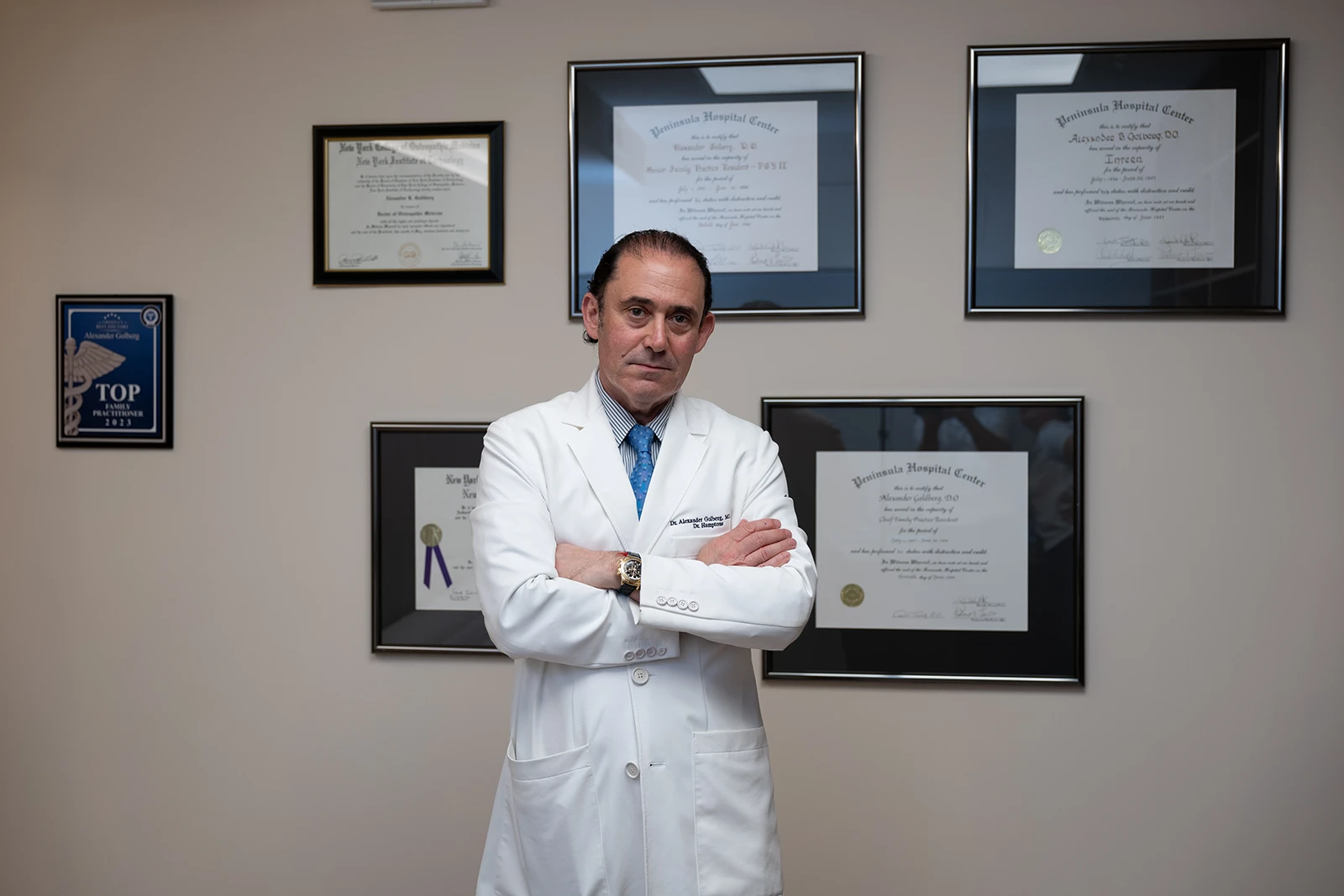
Dr. Alexander Golberg
Longevity Medicine · New York, NY
View Profile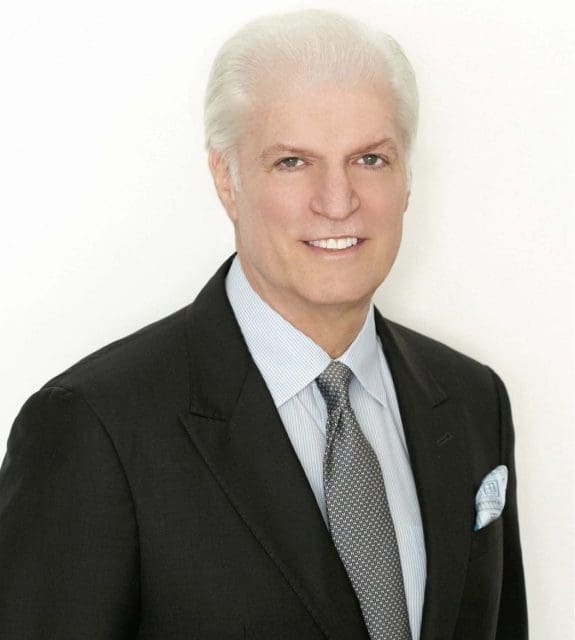
Dr. Steven Victor
Regenerative Medicine Specialist
Longevity Medicine · New York, NY
View ProfileAre you a Longevity Medicine physician?
Join Haute MD Network and have your profile featured alongside these answers.
Apply for the NetworkRelated Guides
Guide · LONGEVITY MEDICINE
What Is Longevity Medicine?
Longevity medicine uses evidence-based diagnostics and interventions to extend healthspan — the years lived in good health. Learn what it involves and who it's for.
Read GuideGuide · LONGEVITY MEDICINE
What Is Autophagy? The Cellular Cleanup Process That Slows Aging
Autophagy is the cellular recycling process that clears damaged components and slows aging. Learn how fasting, exercise, and rapamycin upregulate it.
Read GuideGuide · LONGEVITY MEDICINE
What Is Senolytic Therapy? Clearing Senescent Cells to Slow Aging
Senolytic therapy selectively eliminates senescent 'zombie' cells that drive aging. Learn how dasatinib + quercetin and fisetin are being studied.
Read Guide