Longevity Medicine
What Is Senolytic Therapy? Clearing Senescent Cells to Slow Aging
Last reviewed: May 2026 · Haute MD Editorial Team
Senolytic therapy refers to interventions that selectively eliminate senescent cells — cells that have entered a state of permanent cell cycle arrest due to DNA damage, telomere shortening, or oxidative stress, and that resist normal apoptosis (programmed cell death). These cells accumulate with age and produce a senescence-associated secretory phenotype (SASP) — a cocktail of inflammatory cytokines, proteases, and growth factors that damage surrounding tissue, impair stem cell function, promote cancer, and drive the chronic inflammation (inflammaging) that underlies most age-related diseases. Selectively clearing senescent cells in aged mice produces dramatic rejuvenation effects — restoring physical function, extending remaining lifespan, and reversing multiple age-related pathologies. Human clinical trials are underway.
The science of cellular senescence
Cellular senescence is a tumor-suppressive mechanism — cells that sustain DNA damage beyond repair arrest their growth cycle to prevent becoming cancerous. This is protective in the short term but accumulates over decades of aging, producing an ever-growing burden of SASP-secreting senescent cells. Senescent cell burden accelerates dramatically after 60 in humans. The SASP is not merely irritating — it is a primary driver of multiple age-related pathologies. Senescent adipose cells (fat cells) produce SASP that drives metabolic dysfunction and insulin resistance. Senescent endothelial cells impair vascular function and drive atherosclerosis. Senescent neurons and astrocytes contribute to neurodegeneration. Senescent immune cells (immunosenescence) reduce immune surveillance and increase infection risk. Clearing these cells — senolysis — represents one of the most mechanistically compelling approaches to treating biological aging.
Senolytic compounds under investigation
Dasatinib + Quercetin (D+Q) — the most studied senolytic combination. Dasatinib is an FDA-approved kinase inhibitor (leukemia drug); quercetin is a naturally occurring flavonoid. Published human pilot trials show D+Q reduces senescent cell burden in adipose tissue, improves physical function in patients with idiopathic pulmonary fibrosis (IPF), and produces measurable reductions in circulating SASP markers. Dosing in trials — dasatinib 100mg + quercetin 1,000mg, given intermittently (2-3 days on, weeks off) rather than daily — reflecting the hit-and-run mechanism of senolytics. Fisetin — a flavonoid found naturally in strawberries and other foods; showed senolytic activity in multiple cell types and extended lifespan in mice; human trials underway. Navitoclax (ABT-263) — potent experimental senolytic with hematological toxicity at effective doses; not currently appropriate for human longevity use.
Current clinical status and access
Senolytic therapy is at the phase I-II clinical trial stage for human longevity applications — compelling preclinical and early clinical evidence but not yet established clinical practice. The Mayo Clinic and other academic centers are running trials for multiple age-related conditions (IPF, diabetic kidney disease, frailty, Alzheimer's disease). Some longevity medicine physicians prescribe D+Q protocols off-label based on published human safety and preliminary efficacy data. This is not yet standard of care and should be approached with appropriate caution — dasatinib carries real hematological and immunological risks. The senolytics field is one of the most exciting in longevity medicine; the next 5-10 years should produce definitive evidence about efficacy for aging-related outcomes.
Frequently Asked Questions
Are senolytics safe?
Dasatinib + quercetin appears reasonably safe in published human pilot trials at the intermittent doses used (dasatinib 100mg + quercetin 1,000mg for 2-3 days, repeated monthly). Dasatinib carries real risks including hematological effects, fluid retention, and pulmonary toxicity. Fisetin has a more favorable safety profile but less efficacy data. Use should be under physician supervision with monitoring.
Can I buy senolytic compounds?
Quercetin and fisetin are available as over-the-counter supplements. Dasatinib is prescription-only and approved for leukemia; off-label use requires a physician prescription. Combining dasatinib with quercetin (the D+Q protocol) without medical supervision and monitoring is not advisable given dasatinib's side effect profile.
How do I know how many senescent cells I have?
There is no widely available clinical test for senescent cell burden. Research uses biopsy with senescence markers (p16, SA-β-gal staining). Circulating SASP markers (specific inflammatory cytokines) can suggest senescent cell activity but are not specific. Epigenetic age testing provides an indirect indication — accelerated biological aging suggests greater senescent cell accumulation.
What is the difference between senolytics and senomorphics?
Senolytics selectively kill senescent cells (dasatinib + quercetin, fisetin, navitoclax). Senomorphics suppress the SASP without killing the cells (metformin, rapamycin, certain flavonoids). Senolytics produce more dramatic and durable effects in animal models but carry higher risks; senomorphics produce milder but safer effects.
Get Help Now
Speak with a Haute MD Longevity Medicine physician
Dr. George Kaltner
CEO
Longevity Medicine · Miami Beach, FL
View Profile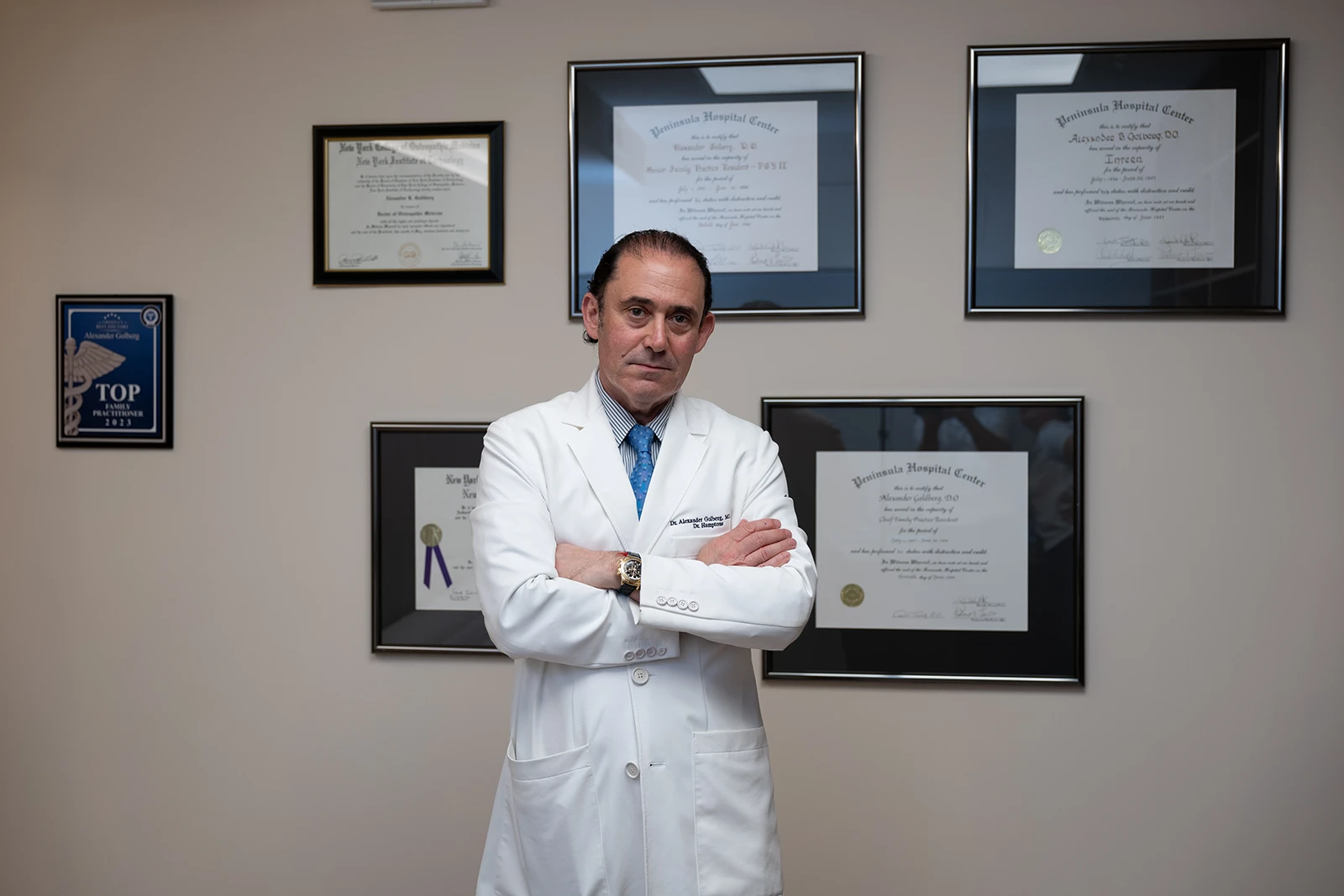
Dr. Alexander Golberg
Longevity Medicine · New York, NY
View Profile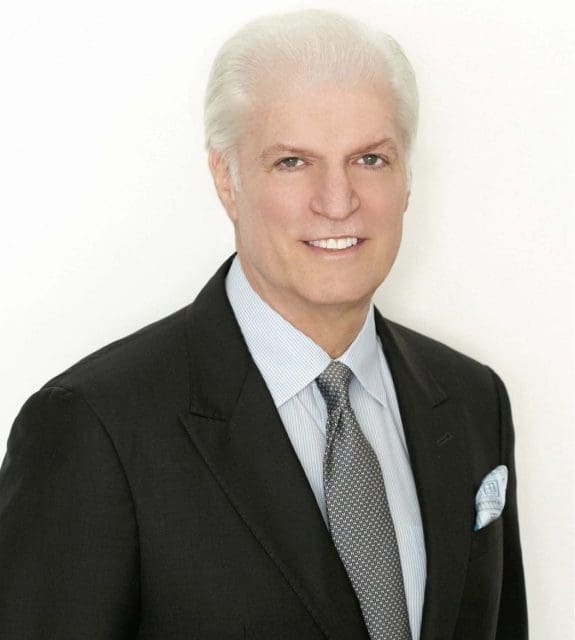
Dr. Steven Victor
Regenerative Medicine Specialist
Longevity Medicine · New York, NY
View ProfileAre you a Longevity Medicine physician?
Join Haute MD Network and have your profile featured alongside these answers.
Apply for the NetworkRelated Guides
Guide · LONGEVITY MEDICINE
What Is Longevity Medicine?
Longevity medicine uses evidence-based diagnostics and interventions to extend healthspan — the years lived in good health. Learn what it involves and who it's for.
Read GuideGuide · LONGEVITY MEDICINE
What Are the Hallmarks of Aging? The Biology Behind Why We Age
The hallmarks of aging are the 12 fundamental biological mechanisms driving aging. Learn what they are and how longevity interventions target them.
Read GuideGuide · LONGEVITY MEDICINE
What Is Autophagy? The Cellular Cleanup Process That Slows Aging
Autophagy is the cellular recycling process that clears damaged components and slows aging. Learn how fasting, exercise, and rapamycin upregulate it.
Read Guide