Longevity Medicine
What Is REM Sleep?
Last reviewed: May 2026 · Haute MD Editorial Team
REM (rapid eye movement) sleep is the stage characterized by active brain waves resembling wakefulness, vivid dreaming, and skeletal muscle atonia. It is essential for memory consolidation, emotional processing, and creative cognition, and it dominates the final third of the night. Chronic REM suppression — most commonly from alcohol or untreated sleep disorders — is increasingly linked to mood disorders and accelerated cognitive aging.
What happens during REM
During REM, brain activity rises to near-wake levels with mixed-frequency EEG and characteristic theta rhythms, while skeletal muscles (other than diaphragm and eye muscles) are paralyzed to prevent acting out dreams. Heart rate and blood pressure become variable; thermoregulation is impaired. The brain consolidates procedural memory, processes emotional content, integrates new learning with existing knowledge, and supports creative problem-solving. REM episodes lengthen across the night — the first may be only 5-10 minutes, while the final REM episode before waking can exceed 30-60 minutes. Cutting sleep short (early alarms) disproportionately deletes the final, longest REM episodes.
Why REM matters for longevity
REM deprivation impairs emotional regulation, increases reactivity to stress, and degrades memory consolidation. Prospective studies link low REM percentage with elevated all-cause and cardiovascular mortality, as well as increased dementia incidence — every 5% reduction in REM is associated with approximately 13-17% increased dementia risk in older adults. REM is also a window of physiological signal: REM sleep behavior disorder (RBD), in which atonia is lost and patients act out dreams, is a strong early predictor of Parkinson's disease and other synucleinopathies, often preceding motor symptoms by a decade or more. Protecting REM is protecting a core neurological substrate of healthspan.
What suppresses REM and what protects it
Major REM suppressors: alcohol (potent and reliable, even 1-2 drinks), many antidepressants (especially SSRIs and SNRIs), cannabis (THC), sleep deprivation, untreated sleep apnea, and short sleep schedules that cut off the morning REM-dense window. Protective behaviors: consistent sleep timing, adequate total sleep duration (7-9 hours), avoiding alcohol within 3-4 hours of bed, treating apnea, and minimizing late-night screens and stimulants. Morning grogginess on shortened sleep is largely a REM deficit; protecting the full final third of the night is one of the highest-yield longevity sleep interventions.
Frequently Asked Questions
How much REM should I get?
Adults typically spend 20-25% of total sleep in REM, or roughly 90-120 minutes per night on 7-9 hours of sleep. REM percentage is fairly stable with age, though absolute REM minutes decline with shorter total sleep.
Why does alcohol kill REM?
Alcohol's metabolism shifts neurotransmitter activity in the brainstem regions that initiate REM, suppressing it in the first half of the night and producing rebound REM and fragmentation in the second half. Even moderate intake reliably degrades REM.
Do antidepressants suppress REM?
Most SSRIs, SNRIs, and tricyclic antidepressants suppress REM significantly, often by 20-50%. Bupropion is a relative exception. The long-term cognitive impact of medication-induced REM suppression is uncertain but is a relevant consideration for chronic use.
What is REM sleep behavior disorder (RBD)?
RBD is loss of the normal muscle paralysis during REM, causing patients to act out dreams — sometimes violently. It is strongly associated with future development of Parkinson's disease and related synucleinopathies and warrants neurological evaluation.
Get Help Now
Speak with a Haute MD Longevity Medicine physician

Dr. George Kaltner
CEO
Longevity Medicine · Miami Beach, FL
View Profile
Dr. Alexander Golberg
Longevity Medicine · New York, NY
View Profile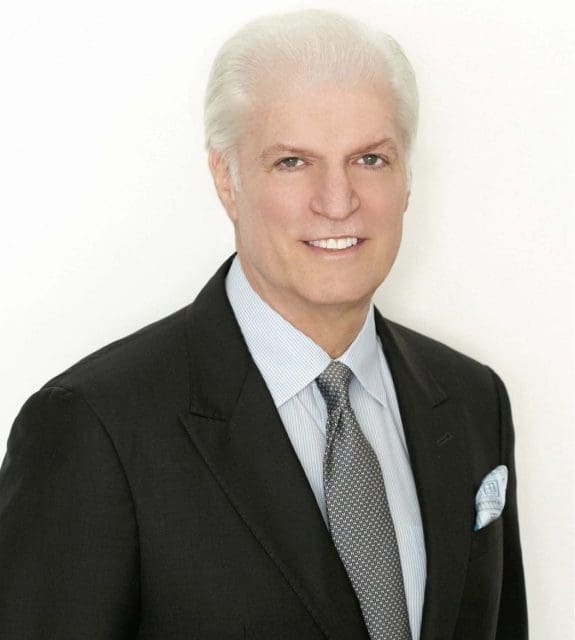
Dr. Steven Victor
Regenerative Medicine Specialist
Longevity Medicine · New York, NY
View ProfileAre you a Longevity Medicine physician?
Join Haute MD Network and have your profile featured alongside these answers.
Apply for the NetworkRelated Guides
Guide · LONGEVITY MEDICINE
What Is Deep Sleep?
Deep sleep (N3 slow-wave sleep) is the most physically restorative stage, driving hormone release, immune repair, and glymphatic clearance. Learn how to protect it.
Read GuideGuide · LONGEVITY MEDICINE
What Is Sleep Architecture?
Sleep architecture is the cyclical pattern of sleep stages — light, deep, and REM — that determines restorative quality. Learn how it shapes longevity.
Read GuideGuide · LONGEVITY MEDICINE
What Is Circadian Rhythm?
Circadian rhythm is the ~24-hour biological clock that governs sleep, metabolism, and hormone release. Learn how to align it for longevity.
Read Guide