hair-loss
Scalp Conditions That Cause Hair Loss
Last reviewed: May 2026 · Haute MD Editorial Team
Several scalp conditions can cause or worsen hair loss — making scalp health an important but often overlooked component of hair loss evaluation. Seborrheic dermatitis (dandruff) is the most common — the chronic inflammation it causes can accelerate genetic hair loss and cause temporary shedding. Scalp psoriasis can cause localized patches of thick scaling that disrupt follicle function. Tinea capitis (ringworm of the scalp) is a fungal infection that causes patchy hair loss and requires antifungal treatment. Lichen planopilaris and frontal fibrosing alopecia are scarring conditions that permanently destroy follicles if left untreated.
Seborrheic dermatitis and hair loss
Seborrheic dermatitis causes itching, flaking, and inflammation driven by overgrowth of Malassezia yeast on the scalp. The inflammation — not the dandruff flakes themselves — is associated with hair loss in people with genetic predisposition. Anti-dandruff shampoos containing ketoconazole, selenium sulfide, zinc pyrithione, or salicylic acid treat the condition. Prescription ketoconazole shampoo or topical antifungals are used for moderate-to-severe cases.
Scarring alopecia — when to act urgently
Lichen planopilaris (LPL) and frontal fibrosing alopecia (FFA) are inflammatory conditions that cause permanent, irreversible destruction of hair follicles through scarring. They present as progressive recession of the hairline with scalp redness, scaling, or burning at the active edge. Early diagnosis and treatment (oral hydroxychloroquine, topical or injected steroids) can halt progression, but lost follicles cannot be restored. These conditions require evaluation by a dermatologist experienced in scarring alopecia — prompt diagnosis is critical.
Tinea capitis — the overlooked cause in adults
While tinea capitis (scalp ringworm) is most common in children, it can occur in adults and is often misdiagnosed as seborrheic dermatitis or alopecia areata. It presents as scaly, itchy patches of hair loss that may have broken-off hair stubs. It requires systemic antifungal treatment (oral terbinafine or griseofulvin) — topical antifungals alone are ineffective for tinea capitis. Untreated cases can lead to kerion (inflamed mass) and scarring.
Frequently Asked Questions
Can dandruff cause permanent hair loss?
Dandruff itself does not cause permanent hair loss. The inflammation from severe or chronic seborrheic dermatitis can accelerate loss in people with genetic predisposition, but the follicle is not destroyed. Treating the scalp condition stops the inflammatory contribution to shedding.
How do I know if my scalp condition is causing my hair loss?
A dermatologist can examine your scalp with dermoscopy — a magnified examination tool — that reveals the pattern of follicle involvement, scaling, redness, and fibrosis. Scalp biopsy may be recommended if scarring alopecia is suspected. Do not delay evaluation if you notice recession with scalp symptoms.
What is the best shampoo for hair loss from dandruff?
Ketoconazole 2% shampoo (prescription) or 1% (Nizoral OTC) is the best evidence-based option for dandruff-related hair loss — it treats the Malassezia overgrowth that drives inflammation. Zinc pyrithione and selenium sulfide are alternatives for milder cases. Use 2-3 times per week.
Can scalp massage help hair loss?
Small studies suggest standardized scalp massage (4 minutes daily) may modestly increase hair thickness by stimulating follicle blood flow and stretching dermal papilla cells. It is a low-risk adjunct but not a standalone treatment for significant hair loss.
Get Help Now
Speak with a Haute MD Dermatology physician
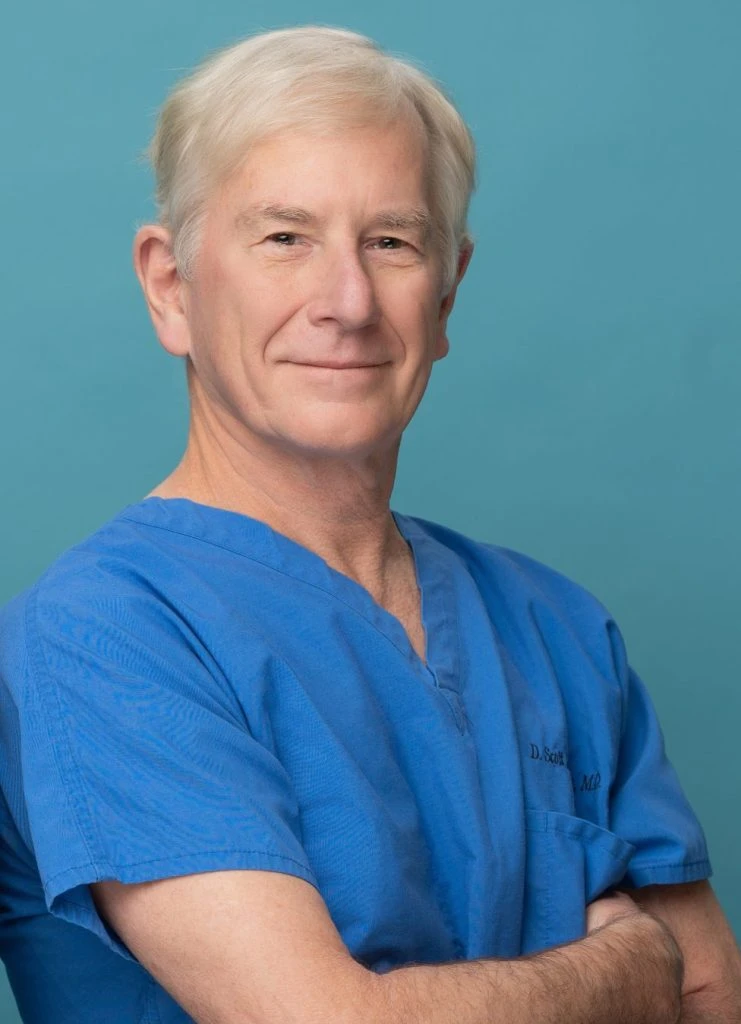
Dr. Daniel Scott Karempelis
Dermatologist
Dermatology · Atlanta, Georgia, GA
View Profile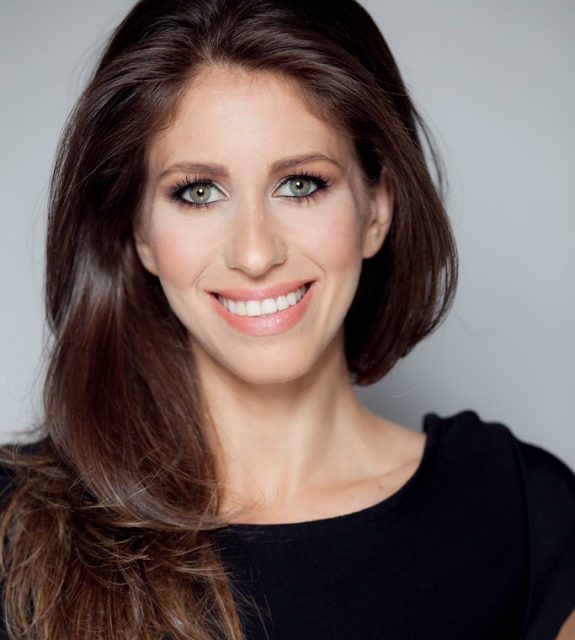
Dr. Bertha Baum
Board-Certified Dermatologist
Dermatology · Aventura, FL
View Profile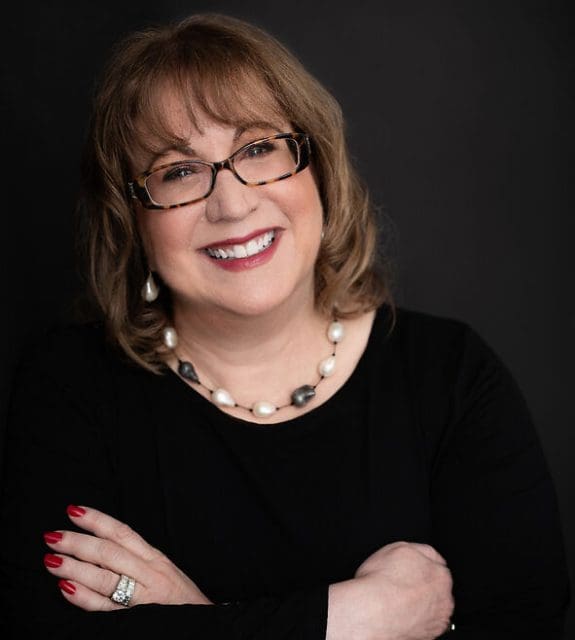
Dr. Victoria Cirillo-Hyland
Dermatologist
Dermatology · Bryn Mawr, PA
View ProfileAre you a Dermatology physician?
Join Haute MD Network and have your profile featured alongside these answers.
Apply for the NetworkRelated Guides
Guide · HAIR-LOSS
What Causes Hair Loss?
Hair loss is most commonly caused by genetics, hormonal changes, nutritional deficiencies, or medical conditions. Learn the most common causes and what to do about each.
Read GuideGuide · HAIR-LOSS
When to See a Doctor for Hair Loss
See a dermatologist when hair loss is sudden, diffuse, accompanied by scalp symptoms, or not responding to OTC treatments. Learn what to expect at your first visit.
Read GuideGuide · HAIR-LOSS
Nutrition and Hair Loss: What Deficiencies Cause Shedding
Iron deficiency, vitamin D deficiency, and protein inadequacy are the most common nutritional causes of hair loss. Learn what to test and what to supplement.
Read Guide