hair-loss
Nutrition and Hair Loss: What Deficiencies Cause Shedding
Last reviewed: May 2026 · Haute MD Editorial Team
Nutritional deficiencies are among the most common — and most reversible — causes of hair loss. The most clinically significant are iron deficiency (even without full anemia), vitamin D deficiency, protein inadequacy (common in crash dieters and vegans), and zinc deficiency. Hair follicles are metabolically active structures with high turnover, making them sensitive to nutritional inadequacies before other body systems show symptoms. Blood testing is the only way to accurately identify which deficiencies you have — do not supplement blindly.
Iron deficiency and hair loss
Iron deficiency is the most common nutritional cause of hair loss, particularly in pre-menopausal women. The key marker is ferritin (stored iron) — laboratory "normal" ranges (12-15 ng/mL) are far below what dermatologists consider optimal for hair growth (70+ ng/mL). Women with heavy periods, vegetarian diets, or malabsorption are at highest risk. Iron supplementation (typically ferrous sulfate 325mg with vitamin C for absorption) corrects deficiency within 3-6 months, with hair improvement following several months later.
Vitamin D and hair loss
Vitamin D receptors are present in hair follicles and play a role in the hair growth cycle. Deficiency is associated with telogen effluvium and, potentially, alopecia areata. Optimal vitamin D levels for hair health are generally considered above 50 ng/mL — significantly higher than the deficiency threshold of 20 ng/mL. Supplementation with vitamin D3 (1,000-5,000 IU daily depending on baseline levels) is safe and widely recommended when levels are suboptimal.
Crash dieting and rapid weight loss
Severe caloric restriction causes telogen effluvium — diffuse hair shedding that begins 2-3 months after the restrictive period begins. Dramatic weight loss (bariatric surgery, very-low-calorie diets) is a well-documented trigger. The mechanism is protein inadequacy and metabolic stress on follicles. Hair regrows after nutritional status is restored, though recovery takes 6-12 months. Adequate protein intake (0.8-1g per kg body weight minimum) is essential during any weight loss program.
Frequently Asked Questions
Does biotin supplementation help hair loss?
Biotin deficiency causes hair loss, but true biotin deficiency is rare in people with typical Western diets. For people without biotin deficiency, supplementation does not improve hair growth despite extensive marketing suggesting otherwise. High-dose biotin can also interfere with certain lab tests (thyroid, troponin). Test for deficiency before supplementing.
What foods support hair growth?
Foods that support hair growth are high in protein (eggs, fish, lean meat, legumes), iron (red meat, lentils, dark leafy greens), omega-3 fatty acids (fatty fish, walnuts, flaxseed), zinc (oysters, pumpkin seeds, beef), and vitamin D (fatty fish, fortified foods). No single food prevents hair loss — overall dietary adequacy matters most.
Should I test my nutritional levels before taking supplements?
Yes. Testing ferritin, vitamin D, zinc, thyroid, and complete blood count before supplementing identifies actual deficiencies and appropriate doses. Taking supplements without testing may miss the real cause of your hair loss.
How long after correcting a nutritional deficiency will my hair grow back?
Correction of iron deficiency typically produces measurable hair improvement at 6 months and full recovery at 12-18 months. Vitamin D correction may show improvement at 3-6 months. Recovery is slow because hair growth cycles take time regardless of how quickly the underlying deficiency is corrected.
Get Help Now
Speak with a Haute MD Dermatology physician
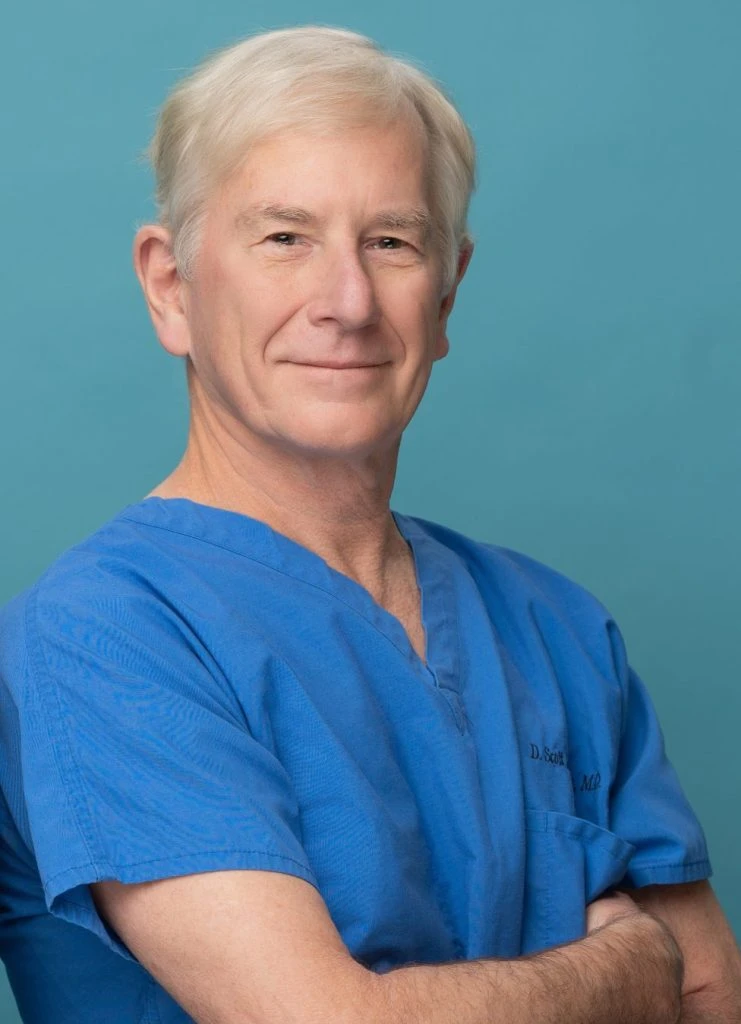
Dr. Daniel Scott Karempelis
Dermatologist
Dermatology · Atlanta, Georgia, GA
View Profile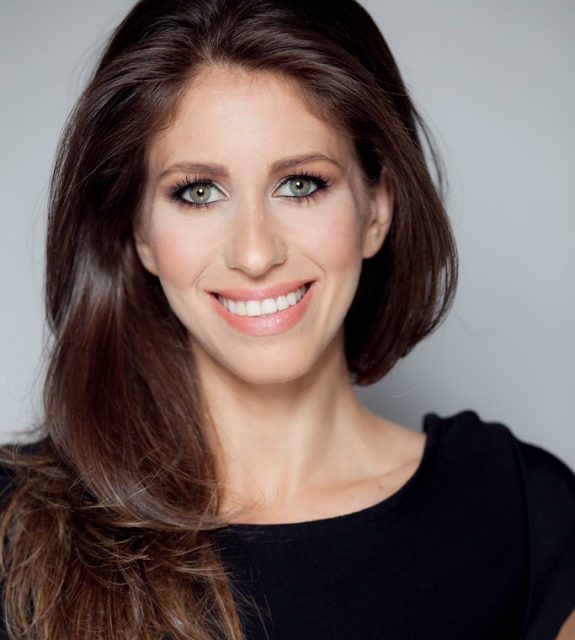
Dr. Bertha Baum
Board-Certified Dermatologist
Dermatology · Aventura, FL
View Profile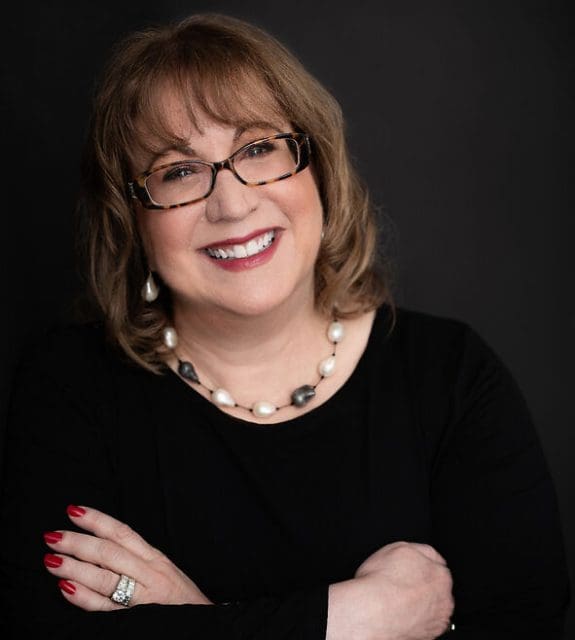
Dr. Victoria Cirillo-Hyland
Dermatologist
Dermatology · Bryn Mawr, PA
View ProfileAre you a Dermatology physician?
Join Haute MD Network and have your profile featured alongside these answers.
Apply for the NetworkRelated Guides
Guide · HAIR-LOSS
What Causes Hair Loss?
Hair loss is most commonly caused by genetics, hormonal changes, nutritional deficiencies, or medical conditions. Learn the most common causes and what to do about each.
Read GuideGuide · HAIR-LOSS
Female Hair Loss: Causes, Types, and Treatment Options
Female hair loss is most commonly caused by genetics, hormonal changes, or nutritional deficiencies. Learn the differences and what treatments are most effective for women.
Read GuideGuide · HAIR-LOSS
When to See a Doctor for Hair Loss
See a dermatologist when hair loss is sudden, diffuse, accompanied by scalp symptoms, or not responding to OTC treatments. Learn what to expect at your first visit.
Read Guide