Met Gala 2026 Facelift Prep: Dr. Sam Rizk on Why Subtlety Is the New Standard of Red Carpet Beauty
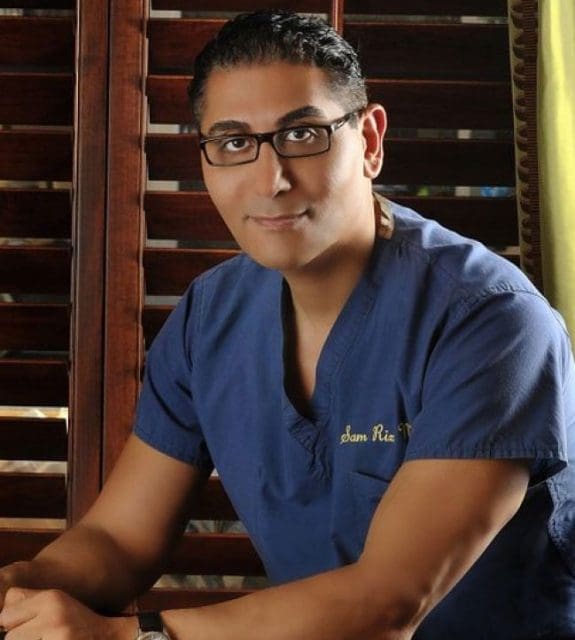
Sam Rizk
New York, NY
For the 2026 Met Gala, New York City facial plastic surgeon Dr. Sam Rizk prepared nine patients with deep-plane facelifts, revision facelifts, and regenerative skin treatments performed at least six months before the May 4 event. The unifying request was not transformation — it was refined, natural-looking results that read as rested and radiant under high-definition cameras and flash photography.
Why Red Carpet Patients Now Choose Subtlety Over Transformation
Today's red carpet patient is no longer asking to look twenty years younger. Across Dr. Rizk's Met Gala 2026 cohort — most between 42 and 58 years old — the goal was to look lifted, rested, and entirely themselves. "Subtlety has become the new standard of luxury in aesthetics," Dr. Rizk explains. Patients want to look exceptional in photographs and confident on camera, without anyone identifying a specific procedure.
This shift mirrors national data. The annual American Academy of Facial Plastic and Reconstructive Surgery (AAFPRS) survey reports that facial procedures are up nearly 20 percent year over year, with patients increasingly choosing precise, natural-looking surgical results over dramatic change.
Why Timing Matters: The 6-Month Deep Plane Facelift Window
A beautifully executed facelift should never look tight, pulled, or freshly operated on. While initial healing takes only a few weeks, deeper tissues need months to settle. By scheduling surgery at least six months before the Met Gala, Dr. Rizk allowed swelling to fully resolve and contours to soften — the difference between a result that looks "done" and one that simply looks like a better, more rested version of the patient.
The deep plane facelift continues to gain popularity because it addresses aging at a structural level rather than tightening skin. By repositioning the underlying facial tissues — the SMAS and deeper ligaments — it restores natural contour through the cheeks, jawline, and neck. Revision facelifts require even greater nuance, since those patients are typically refining results from a prior surgery and seeking a more modern, balanced appearance.
Skin Quality Under HD Cameras: The Regenerative Layer
Under flash photography and 4K cameras, every pore is magnified — which is why surgery is only one part of red carpet preparation. Many of Dr. Rizk's Met Gala patients paired their facelift with regenerative treatments including laser resurfacing, stem cell nanofat, and microfat grafting to improve texture, elasticity, and overall radiance. Healthy, well-prepared skin consistently reads more youthful and luxurious on camera than aggressive injectable treatments ever can.
Frequently Asked Questions
How far in advance should you have a facelift before a major event?
Dr. Rizk recommends a minimum of six months between a deep plane or revision facelift and a high-visibility event like the Met Gala. While most visible swelling resolves in a few weeks, deeper tissues continue to settle for months, producing the seamless, undetectable result patients want under HD cameras.
What is a deep plane facelift and why is it popular in 2026?
A deep plane facelift repositions the underlying facial muscles and ligaments rather than simply tightening skin. This restores natural contour through the midface, jawline, and neck, creating long-lasting, elegant results that don't look pulled — a key reason it has become the gold standard for natural-looking facial rejuvenation.
Who is a candidate for a revision facelift with Dr. Sam Rizk?
Revision facelift patients are typically those who had a prior facelift that no longer looks natural, has aged unevenly, or shows visible signs of being "done." Dr. Rizk specializes in restoring a modern, balanced appearance through nuanced revision techniques tailored to each patient's anatomy.
What non-surgical treatments complement a facelift for camera-ready skin?
Laser resurfacing, stem cell nanofat injections, and microfat grafting are commonly combined with facelift surgery to refine skin texture, elasticity, and radiance. These regenerative treatments improve how skin reflects light under flash and high-definition cameras.
About Dr. Sam Rizk, Manhattan Facial Plastic Surgeon
Dr. Sam Rizk is a double board-certified facial plastic surgeon in New York City specializing in deep plane facelifts, revision facelifts, rhinoplasty, and regenerative facial procedures. His private Manhattan practice attracts patients from across the United States and internationally seeking natural-looking surgical refinement. See more top specialists on our best doctors for deep plane facelift directory.
To schedule a consultation, visit drsamrizk.com.
Articles are independently produced by the Haute Living editorial team. Featured physicians are members of the Haute MD Network — inclusion does not influence editorial coverage or rankings.