Longevity Medicine
What Is Functional Medicine?
Last reviewed: May 2026 · Haute MD Editorial Team
Functional medicine is a systems-biology approach to clinical care that seeks to identify and address the root causes of disease rather than managing symptoms. It differs from conventional medicine primarily in its focus on the individual patient's unique genetic, biochemical, and lifestyle context — using advanced testing to map disrupted physiological systems and applying targeted interventions (dietary, lifestyle, nutraceutical, and pharmaceutical) to restore function. Functional medicine draws on evidence from multiple disciplines — nutrition science, environmental medicine, endocrinology, gastroenterology, and systems biology — and is practiced by physicians who have completed additional training through the Institute for Functional Medicine (IFM) or equivalent programs.
How functional medicine differs from conventional care
Conventional medicine excels at acute care and diagnosing established disease — it uses population-average diagnostic thresholds and treatment protocols designed for the average patient with a given diagnosis. Functional medicine differs in three key ways: it seeks root causes rather than symptom management (treating the underlying metabolic dysfunction driving a condition rather than just the condition's manifestations); it uses expanded testing that identifies subclinical dysfunction before disease thresholds are reached (fasting insulin rather than just glucose; comprehensive stool analysis rather than just colonoscopy for GI symptoms; full thyroid panel including free T3 and antibodies rather than TSH alone); and it treats the whole person rather than organ systems in isolation, recognizing that metabolic dysfunction, gut health, hormonal balance, and immune function are interconnected systems that must be addressed together.
What a functional medicine evaluation involves
A functional medicine initial consultation is typically 60-90 minutes — significantly longer than conventional medicine appointments. It involves a comprehensive personal health history (often collected through a detailed intake questionnaire covering decades of health history, family history, lifestyle, exposures, and symptoms), advanced diagnostic testing (comprehensive metabolic panel, comprehensive thyroid panel, adrenal function testing, micronutrient analysis, gut microbiome testing, inflammatory markers, and hormone panels beyond standard care), and a personalized treatment plan that addresses findings in priority order. Follow-up visits track response to interventions and adjust the protocol over months.
Legitimate functional medicine vs. wellness marketing
Functional medicine's principles are evidence-based; not all practitioners who use the term practice evidence-based functional medicine. Red flags — practitioners who order extensive testing primarily to sell supplements through their own dispensary; treatment protocols that rely overwhelmingly on supplements at high cost without lifestyle foundation; claims that conventional medicine is always wrong or harmful; and failure to refer appropriately when conditions require conventional medical treatment. Legitimate functional medicine practitioners are typically board-certified physicians with additional IFM certification; they use testing to inform treatment rather than simply to identify deficiencies for supplement sales; and they work collaboratively with conventional physicians when appropriate.
Frequently Asked Questions
Is functional medicine legitimate?
Functional medicine's core principles — addressing root causes, individualizing care, and treating interconnected systems — are evidence-based and increasingly mainstream. The quality of practitioners varies widely. Look for board-certified physicians with IFM certification who use testing to inform treatment rather than to sell supplements.
How do I find a functional medicine doctor?
The Institute for Functional Medicine maintains a directory of IFM-certified practitioners. Prioritize MD/DO physicians with board certification in a conventional specialty (internal medicine, family medicine) plus IFM certification. Verify they accept patients with your conditions and that their practice model fits your needs.
Is functional medicine covered by insurance?
Office visits with MD/DO functional medicine practitioners may be covered if the practice accepts insurance, though many operate on a direct-pay or membership model. Advanced testing (comprehensive stool analysis, micronutrient panels, hormone panels) is typically not covered and can cost $500-$2,500 out of pocket.
What conditions does functional medicine treat best?
Chronic fatigue, autoimmune disease, digestive disorders (IBS, SIBO, IBD), hormonal imbalances, metabolic syndrome and pre-diabetes, mood disorders with metabolic components, and unexplained symptoms that have not responded to conventional treatment are particularly well-addressed by the functional medicine approach.
Get Help Now
Speak with a Haute MD Longevity Medicine physician

Dr. George Kaltner
CEO
Longevity Medicine · Miami Beach, FL
View Profile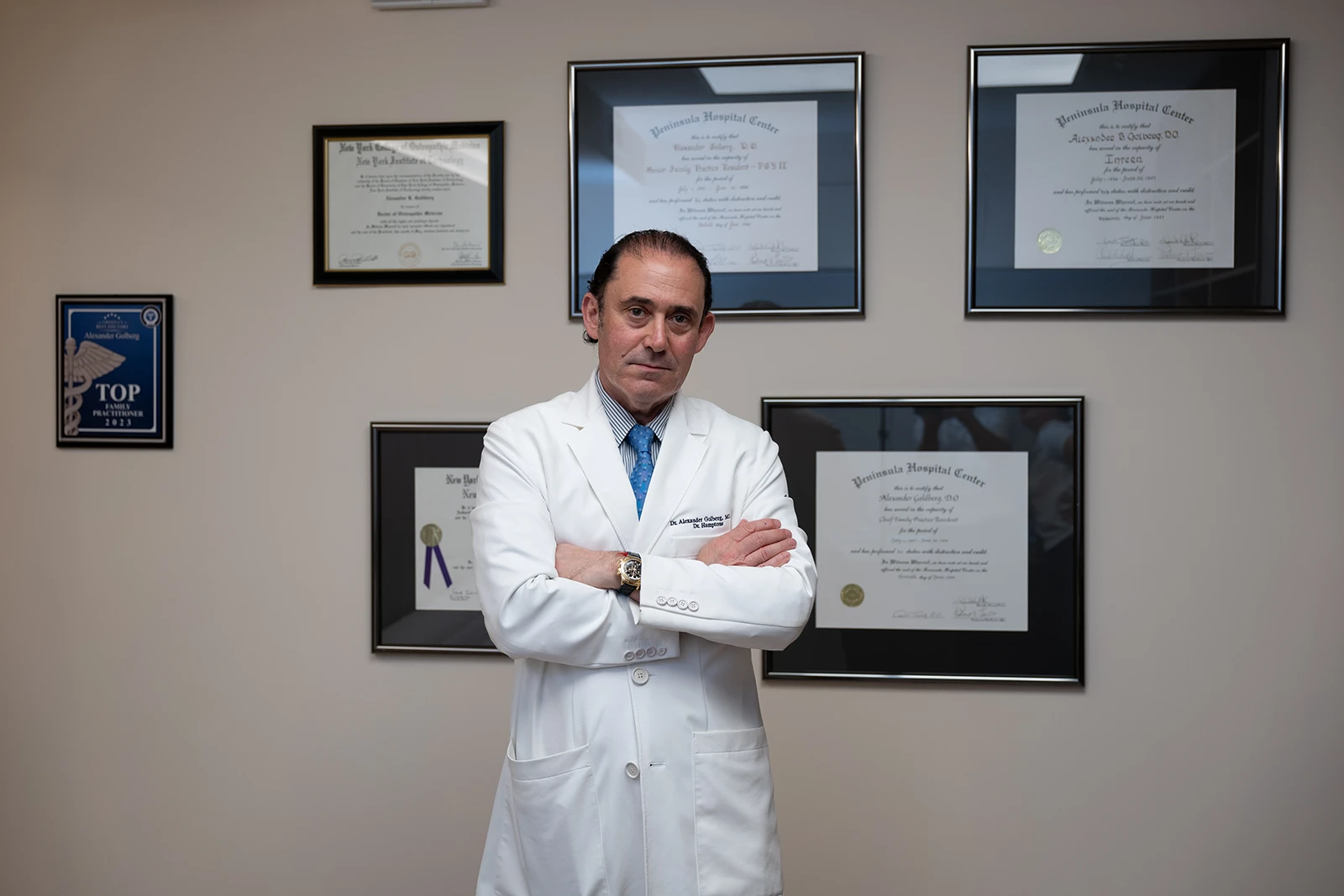
Dr. Alexander Golberg
Longevity Medicine · New York, NY
View Profile
Dr. Steven Victor
Regenerative Medicine Specialist
Longevity Medicine · New York, NY
View ProfileAre you a Longevity Medicine physician?
Join Haute MD Network and have your profile featured alongside these answers.
Apply for the NetworkRelated Guides
Guide · LONGEVITY MEDICINE
What Is Longevity Medicine?
Longevity medicine uses evidence-based diagnostics and interventions to extend healthspan — the years lived in good health. Learn what it involves and who it's for.
Read GuideGuide · LONGEVITY MEDICINE
What Is Preventive Medicine? Primary, Secondary, and Tertiary Prevention
Preventive medicine prevents disease through primary, secondary, and tertiary prevention. Learn the three levels and how longevity medicine extends them.
Read Guide