Longevity Medicine
What Is Preventive Medicine? Primary, Secondary, and Tertiary Prevention
Last reviewed: May 2026 · Haute MD Editorial Team
Preventive medicine is the medical specialty focused on preventing disease, disability, and death rather than treating established conditions. It operates at three levels — primary prevention (preventing disease before it occurs through lifestyle, vaccination, and risk factor reduction); secondary prevention (detecting and treating disease at an early, asymptomatic stage through screening — mammography, colonoscopy, coronary artery calcium scoring); and tertiary prevention (reducing the impact and progression of established disease through optimal management). Longevity medicine is an evolution of preventive medicine — applying advanced diagnostics and personalized interventions to identify and address subclinical risk that standard preventive medicine protocols miss.
Primary prevention — stopping disease before it starts
Primary prevention targets the modifiable risk factors that drive the development of disease. The most evidence-based primary prevention interventions — smoking cessation (the single most impactful individual health intervention available); physical activity (150+ minutes moderate or 75 minutes vigorous aerobic exercise plus resistance training weekly); healthy body weight maintenance; blood pressure management (target below 120/80 mmHg); lipid optimization (ApoB below 80 mg/dL, Lp(a) tested, statins when indicated); blood glucose management (fasting insulin below 8 μIU/mL, HbA1c below 5.7%); and vaccination (influenza, COVID-19, pneumococcal, shingles in appropriate age groups). These are not proprietary longevity medicine interventions — they are the foundational standard of care that most adults do not fully implement.
Screening — secondary prevention in practice
Evidence-based cancer and disease screening for adults — colorectal cancer: colonoscopy every 10 years starting at 45 (earlier with family history); breast cancer: mammography annually or every 2 years from 40-75 (individualize based on risk and preference); cervical cancer: Pap smear every 3 years or Pap + HPV co-test every 5 years; lung cancer: annual low-dose CT in adults 50-80 with 20+ pack-year smoking history; skin cancer: annual full-body skin exam by dermatologist; cardiovascular: coronary artery calcium score at 40-70 for intermediate-risk adults; hypertension: blood pressure at every medical contact; diabetes: fasting glucose/HbA1c every 3 years from 35 if overweight or with risk factors. Beyond standard screening, longevity medicine adds Lp(a) testing, ApoB measurement, advanced metabolic panels, and in some cases full-body MRI.
Who specializes in preventive medicine
Preventive medicine is a recognized medical specialty with its own board certification (American Board of Preventive Medicine, ABPM). Preventive medicine physicians practice in occupational medicine, public health, and increasingly in private preventive/longevity medicine practices. Many primary care physicians integrate preventive medicine principles. The distinction in private practice — a primary care physician practicing preventive medicine focuses on standard guideline-based screening and risk factor management; a longevity medicine physician goes beyond guidelines to identify and address subclinical dysfunction through advanced testing and personalized protocols.
Frequently Asked Questions
What is the difference between preventive medicine and longevity medicine?
Preventive medicine focuses on preventing established disease using standard guideline-based screening and risk factor management. Longevity medicine extends preventive medicine by adding advanced diagnostics (ApoB, Lp(a), epigenetic age testing, VO2 max), personalized interventions, and a focus on biological aging rather than just disease prevention.
What screenings should I get in my 40s?
Baseline colonoscopy at 45; annual mammography from 40 (women); coronary artery calcium score once in 40s if intermediate cardiovascular risk; annual skin exam; blood pressure at every visit; fasting glucose/HbA1c, lipid panel including ApoB, and Lp(a) once; full thyroid panel; and a baseline VO2 max test if available. Add lung CT if smoking history qualifies.
How often should I get a physical?
Healthy adults under 50 generally benefit from annual or biennial preventive visits with risk-stratified screening. Adults over 50 or with chronic conditions benefit from annual visits. Longevity medicine programs typically structure quarterly biomarker monitoring with annual comprehensive reassessment.
What does a preventive medicine physician do?
Board-certified preventive medicine physicians complete a residency focused on epidemiology, biostatistics, and population health alongside clinical training. They practice in public health, occupational medicine, aerospace medicine, and increasingly in private preventive/longevity practices providing advanced risk assessment and personalized prevention protocols.
Get Help Now
Speak with a Haute MD Longevity Medicine physician

Dr. George Kaltner
CEO
Longevity Medicine · Miami Beach, FL
View Profile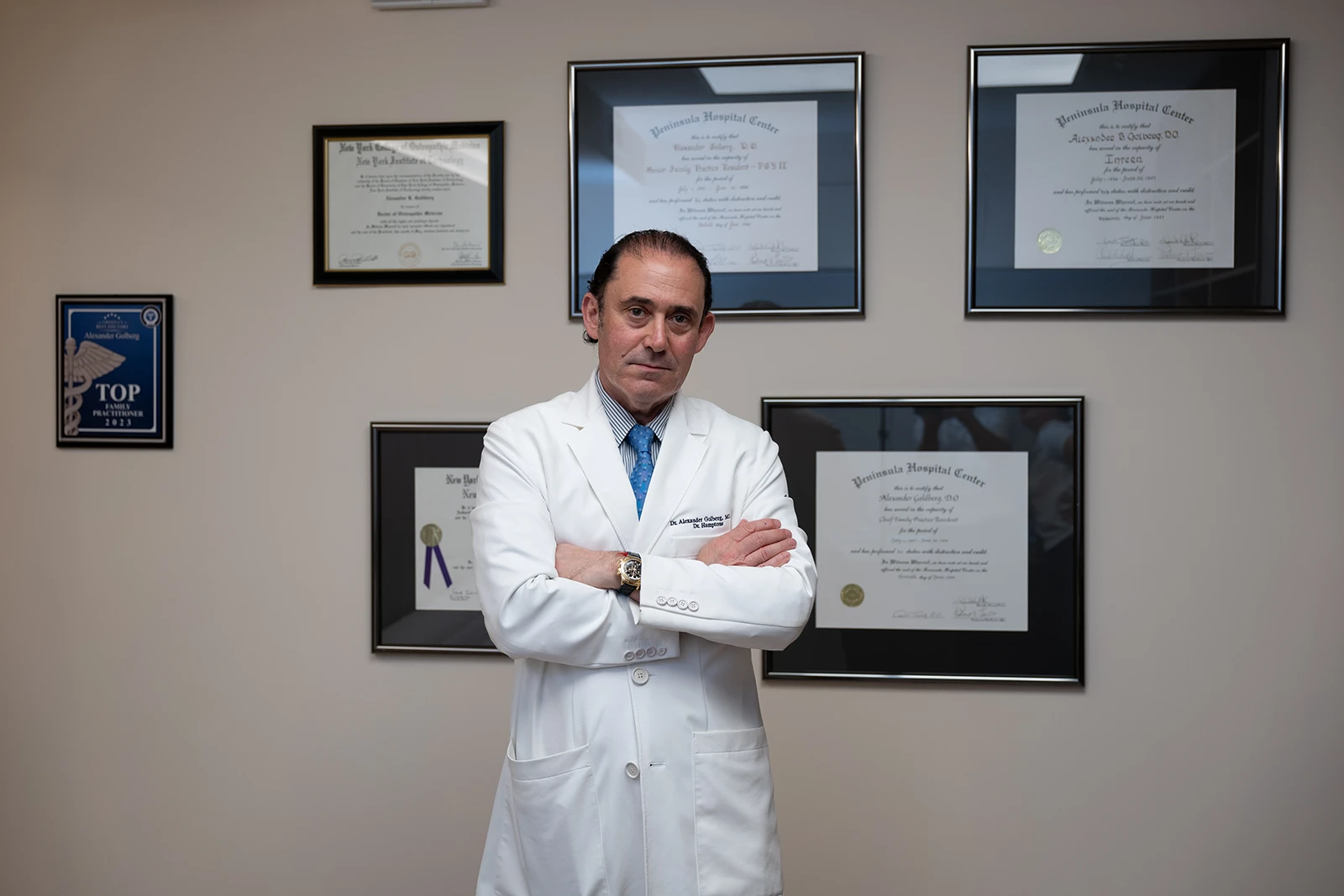
Dr. Alexander Golberg
Longevity Medicine · New York, NY
View Profile
Dr. Steven Victor
Regenerative Medicine Specialist
Longevity Medicine · New York, NY
View ProfileAre you a Longevity Medicine physician?
Join Haute MD Network and have your profile featured alongside these answers.
Apply for the NetworkRelated Guides
Guide · LONGEVITY MEDICINE
What Is Longevity Medicine?
Longevity medicine uses evidence-based diagnostics and interventions to extend healthspan — the years lived in good health. Learn what it involves and who it's for.
Read GuideGuide · LONGEVITY MEDICINE
What Is Executive Health Screening?
Executive health screening is a comprehensive one-day medical evaluation covering biomarkers, imaging, fitness testing, and cancer screening. Learn what's included and who it's for.
Read GuideGuide · LONGEVITY MEDICINE
What Is Preventive Cardiology?
Preventive cardiology identifies and treats cardiovascular risk before heart attack or stroke occurs. Learn what it involves, what tests matter most, and who needs it.
Read Guide