Longevity Medicine
What Is Stem Cell Therapy?
Last reviewed: May 2026 · Haute MD Editorial Team
Stem cell therapy uses cells with regenerative capacity — most often mesenchymal stem cells (MSCs) derived from bone marrow, adipose tissue, or umbilical cord — to support tissue repair and modulate inflammation. The field includes both well-established applications (hematopoietic stem cell transplant for blood cancers) and a much larger commercial market of investigational, cosmetic, and unproven longevity offerings.
Established versus investigational stem cell therapy
Genuinely validated stem cell medicine includes: hematopoietic stem cell transplantation (HSCT) for leukemia, lymphoma, and certain immune disorders — this is a standard, evidence-based treatment, though it carries significant risks. Outside oncology, the FDA has approved a small number of stem cell products for specific conditions (cord blood for certain pediatric immune disorders). The much larger commercial stem cell market — clinics offering MSC injections for joint pain, anti-aging IVs, neurological conditions, and 'longevity' indications — is largely investigational. Some of these uses (intra-articular MSC injection for knee osteoarthritis) have moderate evidence for symptom relief; many others have no rigorous evidence. The FDA has issued multiple warnings about unproven stem cell clinics, several of which have caused serious harm including blindness, infections, and tumor formation.
What stem cells actually do in tissue
Mesenchymal stem cells, the type most commonly used in commercial offerings, were once thought to directly differentiate into replacement tissue (cartilage, bone, neurons). Current understanding is that injected MSCs primarily exert paracrine effects — they secrete cytokines, growth factors, and exosomes that modulate inflammation and signal endogenous repair pathways in nearby tissue. Most injected MSCs do not engraft long-term; they signal and then are cleared. This understanding helps explain why some applications (modest anti-inflammatory effect in joint disease) show benefit while others (regenerating large-scale damage) do not. The longevity-relevant mechanisms are anti-inflammatory and immunomodulatory rather than wholesale tissue replacement.
How to evaluate stem cell offerings
Red flags in stem cell marketing: (1) claims to treat many unrelated conditions ('arthritis, autism, Alzheimer's, anti-aging'); (2) testimonials rather than published clinical trial data; (3) very high cost ($5,000-$50,000+ per session); (4) lack of FDA approval or active clinical trial registration; (5) offerings outside the US or Mexico marketed as 'cutting edge' but operating outside regulatory oversight. Green flags: participation in registered clinical trials (clinicaltrials.gov), affiliation with academic medical centers, transparent published outcomes, specific indication rather than general 'wellness' claims, FDA-cleared products (limited to specific applications). For most longevity-interested adults, the evidence does not currently support stem cell therapy as a first-line investment; foundational interventions (exercise, sleep, diet, Zone 2, resistance training) have far more robust evidence per dollar. Stem cell therapy may evolve into validated longevity application within a decade, but the current commercial market is largely premature.
Frequently Asked Questions
Are stem cell IV infusions effective for anti-aging?
There is currently no rigorous clinical trial evidence that systemic IV stem cell infusions extend healthspan or reverse aging in healthy adults. The offerings are largely commercial and investigational. Cost typically runs $10,000-$30,000 per session, with no validated outcome.
Is stem cell therapy for joint pain legitimate?
Modestly. Intra-articular MSC injection for knee osteoarthritis has moderate evidence for symptom relief comparable to other regenerative options like PRP, but with higher cost and more variability in product quality. It is not curative and does not regrow cartilage at scale.
Are international stem cell clinics safer or more effective?
Generally less regulated, with documented cases of serious complications. International clinics often operate outside the safety and quality oversight of FDA, with variable cell sourcing, processing standards, and outcome tracking. Patients should be especially cautious of clinics marketing aggressive longevity claims outside US regulatory frameworks.
What is the difference between stem cells and exosomes?
Stem cells are whole cells; exosomes are small membrane-bound vesicles secreted by cells (including stem cells) that carry proteins and RNAs. Exosome therapy attempts to deliver the signaling effects of stem cells without injecting whole cells — easier to manufacture and store, but with similar evidence gaps in most longevity applications.
Get Help Now
Speak with a Haute MD Longevity Medicine physician

Dr. George Kaltner
CEO
Longevity Medicine · Miami Beach, FL
View Profile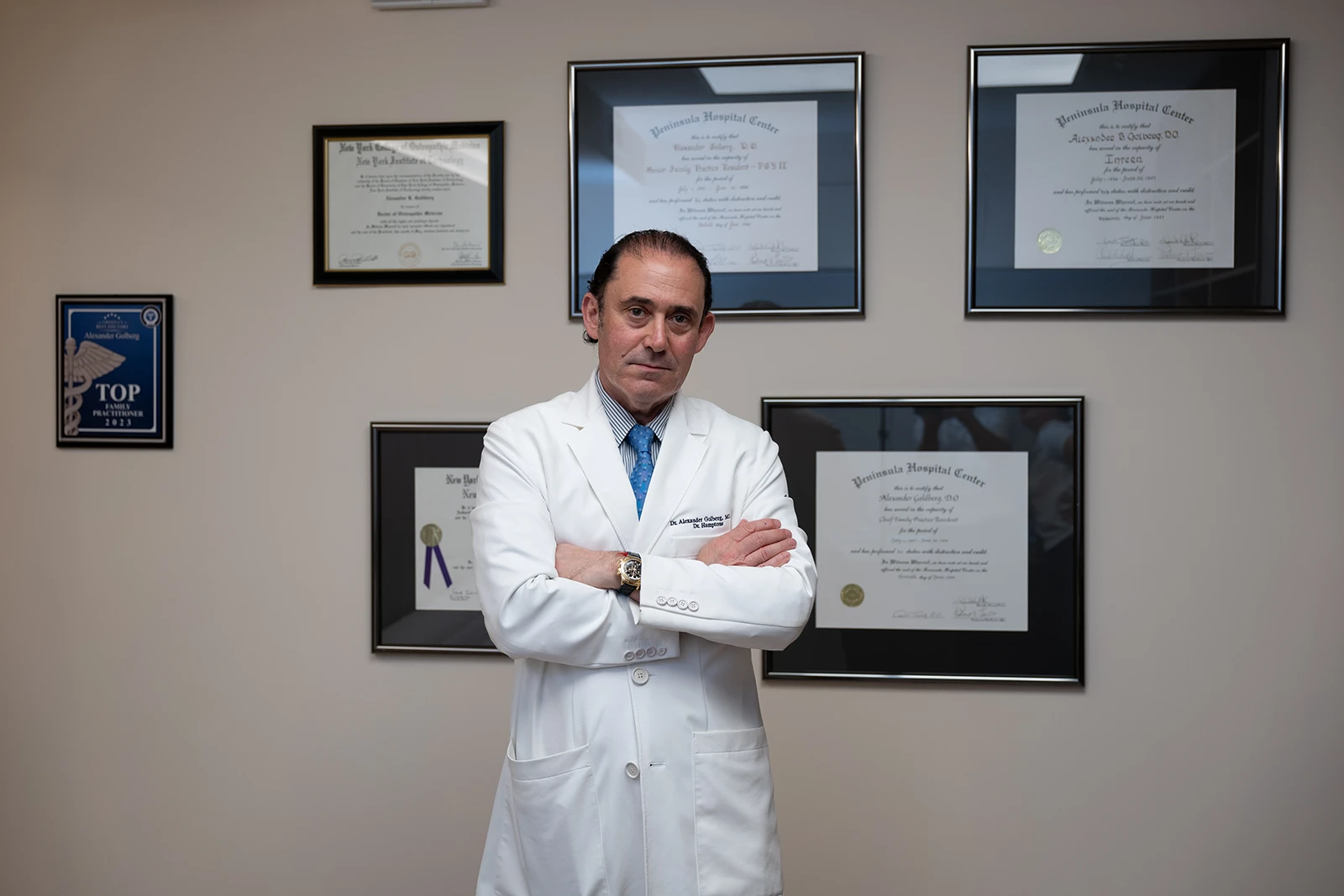
Dr. Alexander Golberg
Longevity Medicine · New York, NY
View Profile
Dr. Steven Victor
Regenerative Medicine Specialist
Longevity Medicine · New York, NY
View ProfileAre you a Longevity Medicine physician?
Join Haute MD Network and have your profile featured alongside these answers.
Apply for the NetworkRelated Guides
Guide · LONGEVITY MEDICINE
What Is Exosome Therapy?
Exosomes are tiny vesicles cells use to communicate. Learn what exosome therapy actually delivers, what evidence supports it, and the regulatory cautions.
Read GuideGuide · LONGEVITY MEDICINE
What Is Young Blood Plasma?
Young blood plasma transfusion has been investigated as a longevity intervention. Learn what the science actually supports — and what the FDA has warned about.
Read GuideGuide · LONGEVITY MEDICINE
What Are the Hallmarks of Aging? The Biology Behind Why We Age
The hallmarks of aging are the 12 fundamental biological mechanisms driving aging. Learn what they are and how longevity interventions target them.
Read Guide