Longevity Medicine
What Is DNA Repair and Aging?
Last reviewed: May 2026 · Haute MD Editorial Team
DNA repair refers to the network of cellular systems that continuously detect and fix damage to genetic material. Every cell sustains tens of thousands of DNA lesions per day from oxidative stress, ultraviolet light, radiation, and replication errors; repair fidelity directly determines how rapidly a cell — and an organism — ages. Genomic instability, when repair fails, is one of the recognized hallmarks of aging.
The main DNA repair pathways and what they do
Cells deploy several specialized repair pathways: (1) base excision repair (BER) — corrects small, single-base damage from oxidation and methylation, the most common form of daily damage; (2) nucleotide excision repair (NER) — repairs bulky distortions like those caused by UV light; defects in NER cause xeroderma pigmentosum, characterized by extreme UV sensitivity and accelerated cancer; (3) mismatch repair (MMR) — fixes errors made during DNA replication; defects cause Lynch syndrome (hereditary colon cancer); (4) double-strand break repair — handles the most dangerous form of damage via either homologous recombination (high-fidelity, requires a sister template) or non-homologous end joining (lower-fidelity, error-prone); BRCA1 and BRCA2 are key genes here; (5) translesion synthesis — allows replication past damage when other repair has failed, at the cost of higher mutation rate. These systems operate continuously and consume significant cellular energy.
How declining DNA repair drives aging
Multiple lines of evidence link DNA repair capacity to aging rate. Mutations in DNA repair genes cause segmental progerias — conditions of accelerated aging in specific tissues (Werner syndrome, Cockayne syndrome, ataxia-telangiectasia). Long-lived species (naked mole rats, bowhead whales, large birds) show consistently more robust DNA repair than short-lived species of similar size. With age, DNA repair capacity declines in most cells, leading to: accumulation of somatic mutations (driving cancer risk), persistent DNA damage signaling (driving cellular senescence and inflammation), mitochondrial DNA mutations (contributing to mitochondrial dysfunction and energy decline), and epigenetic changes that alter gene expression. Cells with severe unrepaired damage either senesce (becoming SASP-secreting drivers of tissue aging) or undergo apoptosis (contributing to tissue and stem cell depletion). The balance between damage accumulation and repair capacity is a central determinant of cellular and organismal aging.
What you can do to support DNA repair
Behavioral support: (1) sleep — DNA repair is upregulated during deep sleep; chronic sleep deprivation measurably impairs repair; (2) caloric restriction and fasting — activate AMPK and sirtuin pathways that enhance DNA repair; (3) exercise — moderate exercise upregulates DNA repair enzymes, though acute extreme exercise transiently increases damage; (4) Mediterranean-pattern diet — polyphenols and omega-3s reduce oxidative damage load on repair systems; (5) avoid known DNA-damaging exposures — minimize unnecessary radiation (CT scans where avoidable), avoid tanning and excess UV exposure, do not smoke, limit alcohol; (6) maintain adequate vitamin and cofactor status (folate, B12, magnesium, niacin/NAD+) — many repair enzymes require these cofactors. Investigational pharmacology: NAD+ precursors (NR, NMN) support sirtuin-mediated repair functions; emerging gene therapy approaches aim to enhance repair gene expression. The dominant practical message: most factors that protect DNA repair are the same that drive healthspan generally — sleep, exercise, diet, and avoiding overwhelming damage exposures.
Frequently Asked Questions
Can I directly measure my DNA repair capacity?
Specialized clinical and research assays exist (comet assay, gamma-H2AX foci) but are not part of standard or even longevity-clinic testing. Epigenetic age testing (Horvath clock, GrimAge) and clonal hematopoiesis testing can indirectly reflect accumulated DNA damage and repair failures.
Does sun exposure really damage DNA?
Yes, substantially. UV light is one of the largest single sources of DNA damage in the skin, directly causing both base damage and double-strand breaks. Sun protection (sunscreen, clothing, avoiding peak exposure) is one of the most evidence-supported anti-aging interventions for skin and significantly reduces skin cancer risk over a lifetime.
Do antioxidant supplements help DNA repair?
Generally no, despite intuitive appeal. Large randomized trials of high-dose antioxidants (vitamin E, beta-carotene) have not shown benefit and in some cases increased mortality or cancer risk. Antioxidants from whole foods (vegetables, fruits, olive oil, berries) appear protective in observational data, likely because they come embedded in a complex polyphenol and nutrient matrix.
Should I avoid all medical imaging that uses radiation?
No — medically indicated imaging benefits typically far outweigh DNA-damage risks. The concern is unnecessary or repetitive imaging (e.g., recurrent CT scans for low-yield indications). Discuss with your physician whether ultrasound or MRI (no ionizing radiation) can substitute when clinically appropriate.
Get Help Now
Speak with a Haute MD Longevity Medicine physician
Dr. George Kaltner
CEO
Longevity Medicine · Miami Beach, FL
View Profile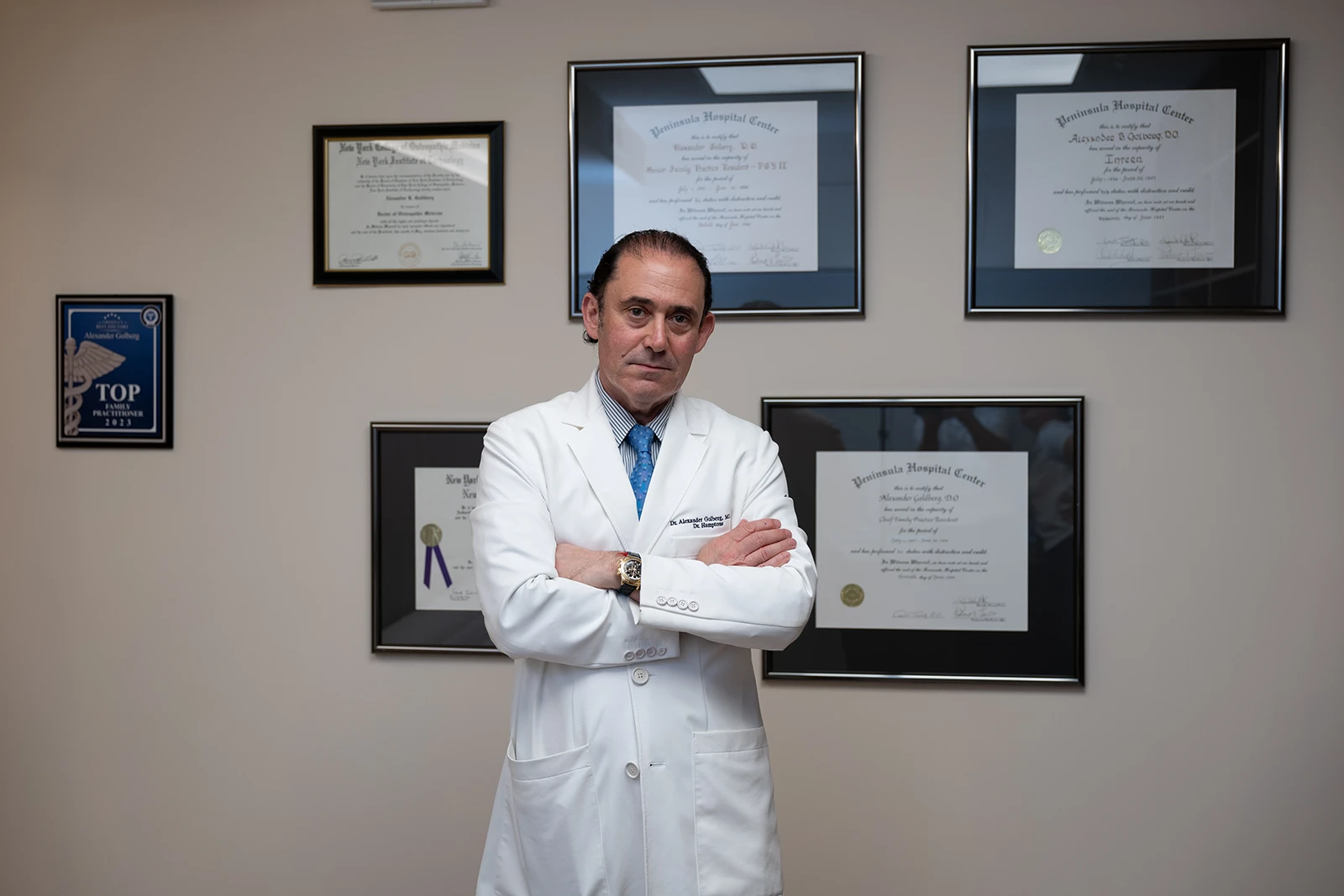
Dr. Alexander Golberg
Longevity Medicine · New York, NY
View Profile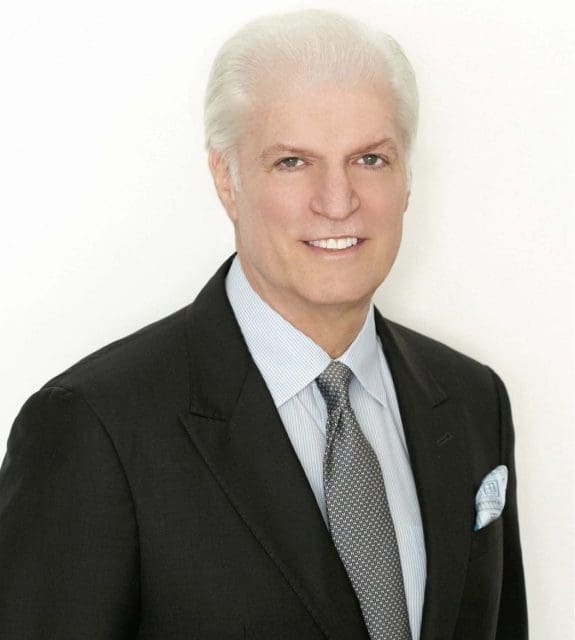
Dr. Steven Victor
Regenerative Medicine Specialist
Longevity Medicine · New York, NY
View ProfileAre you a Longevity Medicine physician?
Join Haute MD Network and have your profile featured alongside these answers.
Apply for the NetworkRelated Guides
Guide · LONGEVITY MEDICINE
What Is Cellular Aging?
Cellular aging refers to the molecular damage that accumulates inside cells over time. Learn the key mechanisms and how longevity medicine targets them.
Read GuideGuide · LONGEVITY MEDICINE
What Are the Hallmarks of Aging? The Biology Behind Why We Age
The hallmarks of aging are the 12 fundamental biological mechanisms driving aging. Learn what they are and how longevity interventions target them.
Read GuideGuide · LONGEVITY MEDICINE
What Is the Longevity Gene FOXO3?
FOXO3 is the most replicated 'longevity gene' in human populations. Learn what it does, why it matters, and how lifestyle activates the same pathway.
Read Guide