hair-restoration
Hair Transplant Recovery: What to Expect Week by Week
Last reviewed: May 2026 · Haute MD Editorial Team
Hair transplant recovery is more straightforward than many patients expect — the surgical wounds are small, pain is manageable, and most patients return to work within 7-14 days. The most alarming phase of recovery is not the immediate post-operative period but the "shock loss" phase at 2-6 weeks, when all transplanted hairs fall out before new growth begins. Understanding this normal and expected phenomenon prevents patients from concluding their transplant failed when it hasn't.
The first week after hair transplant
Days 1-3 — the scalp is swollen (particularly the forehead — gravity-dependent swelling is normal and peaks at day 2-3); small crusts form at each transplant site in the recipient area; the donor area has mild soreness and tightness (FUT) or multiple small circular wounds (FUE). Sleep with head elevated 30-45 degrees to minimize swelling. Day 3-5 — swelling begins resolving; gentle washing of the transplanted area begins (with specific instructions from your surgeon — typically saline spray or diluted baby shampoo, gentle patting, no rubbing). Days 5-7 — crusts begin loosening; gentle shampooing accelerates crust removal. Donor area FUT sutures are removed at day 7-10; FUE punch sites are essentially healed.
The shock loss phase — weeks 2-6
Weeks 2-6 — the transplanted hairs enter a resting phase triggered by the surgical stress of relocation and begin falling out. This is called telogen effluvium or shock loss — it is completely normal and expected, not a sign of failure. The follicle itself remains alive in the scalp; only the hair shaft falls out. The scalp may look worse than before surgery during this phase — also normal. Additionally, some of the native (non-transplanted) hair around the recipient area may shed temporarily (sympathetic shock loss) — this also recovers. By week 6-8, the scalp stabilizes.
Months 3-12 — new growth and final result
Months 3-4 — new hair growth begins emerging from transplanted follicles. The hairs are initially fine and short. Month 6 — meaningful density is visible; most patients feel significantly improved. Month 8-10 — density continues filling in. Month 12-18 — final result fully visible as all transplanted follicles complete their first complete growth cycle and hairs reach mature thickness and length. The result is then permanent — the transplanted DHT-resistant follicles continue growing for life. Take progress photos at baseline and monthly — the gradual change is easy to miss without comparison.
Frequently Asked Questions
When can I go back to work after a hair transplant?
Most patients return to desk work at 7-14 days — when visible swelling has resolved and the scalp no longer looks obviously post-operative. Manual labor or outdoor work requiring sun exposure warrants a longer absence. Wearing a loose hat at 10-14 days can accelerate return to work for some patients.
When can I exercise after a hair transplant?
Light walking — immediately. Light activity — at 2 weeks. Moderate exercise — at 3-4 weeks. Heavy lifting and high-intensity training — at 4-6 weeks. Exercise raises blood pressure and increases sweat — both of which can displace grafts in the first week and disrupt healing in the first month.
What is shock loss and is it permanent?
Shock loss is the temporary shedding of transplanted hairs (and sometimes nearby native hairs) at 2-6 weeks post-surgery. It is triggered by surgical stress and is completely normal. The follicles remain viable — the hair shaft sheds but the follicle immediately begins the growth cycle for new hair. Shock loss is not permanent; new growth emerges at 3-4 months.
How do I protect newly transplanted grafts?
First 2 weeks — avoid direct sun exposure, swimming, heavy exercise, rubbing, and touching the recipient area unnecessarily. Sleep with head elevated. Gentle washing per surgeon protocol. After 2 weeks — the grafts are securely anchored and normal activity resumes. The new hairs that emerge at 3-4 months are permanent and can be treated normally.
Get Help Now
Speak with a Haute MD Dermatology physician
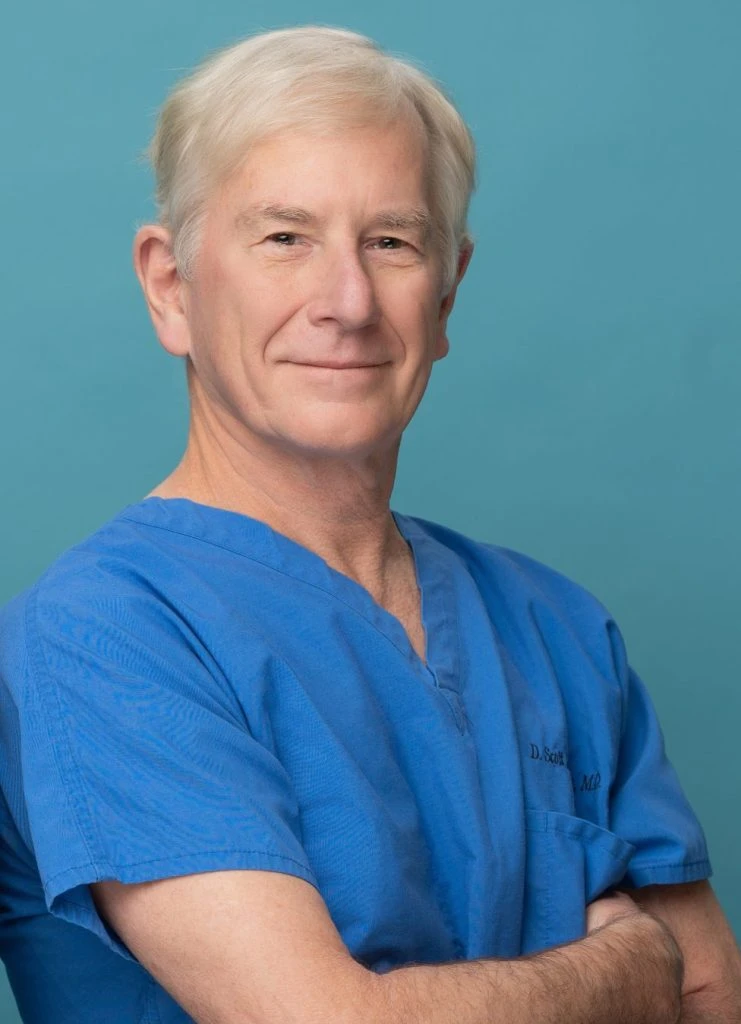
Dr. Daniel Scott Karempelis
Dermatologist
Dermatology · Atlanta, Georgia, GA
View Profile
Dr. Bertha Baum
Board-Certified Dermatologist
Dermatology · Aventura, FL
View Profile
Dr. Victoria Cirillo-Hyland
Dermatologist
Dermatology · Bryn Mawr, PA
View ProfileAre you a Dermatology physician?
Join Haute MD Network and have your profile featured alongside these answers.
Apply for the Network