hair-loss
What Is PRP Hair Restoration?
Last reviewed: May 2026 · Haute MD Editorial Team
PRP (platelet-rich plasma) hair restoration is a non-surgical treatment that uses concentrated growth factors from the patient's own blood to stimulate dormant or miniaturizing hair follicles. Blood is drawn, centrifuged to concentrate the platelets (which contain growth factors including PDGF, VEGF, and IGF), and injected into the scalp at the sites of thinning. PRP is not a cure for hair loss, but clinical evidence supports its effectiveness for slowing progression and stimulating regrowth — particularly in the early stages of androgenetic alopecia.
How the procedure works
A small amount of blood (typically 15-60ml) is drawn from the arm, placed in a centrifuge for 10-15 minutes to separate the platelet-rich plasma from red blood cells, then injected into the scalp with a fine needle at 1-2cm intervals across thinning areas. The procedure takes approximately 45-60 minutes. Mild scalp tenderness for 24-48 hours is normal. No downtime is required.
What results to expect
Most protocols involve 3 sessions spaced 4-6 weeks apart, followed by annual maintenance treatments. Patients typically notice reduced shedding after 2-3 months and new growth (finer, shorter hairs initially) at 3-6 months. PRP works best on miniaturizing follicles that retain some function — not on follicles that have been completely dormant for years. Results vary by individual, protocol, and PRP preparation quality.
Who is the best candidate
Best candidates have early to moderate androgenetic alopecia with recent, active hair loss; follicles that are miniaturizing but not yet completely dormant; no significant medical contraindications (blood disorders, platelet dysfunction, active scalp infection); and realistic expectations about gradual, modest improvement rather than dramatic transformation. PRP is often combined with minoxidil for additive effect.
Frequently Asked Questions
How many PRP sessions do I need?
The standard initial protocol is 3 sessions spaced 4-6 weeks apart, followed by annual or semi-annual maintenance treatments. Some providers offer monthly sessions for the first year. The specific protocol should be determined by the treating physician based on your response.
Is PRP hair restoration painful?
Topical numbing cream is applied to the scalp 30-45 minutes before the procedure, which significantly reduces discomfort. Most patients describe the injections as mildly uncomfortable rather than painful. A nerve block can be offered for patients with high pain sensitivity.
How much does PRP hair restoration cost?
PRP sessions typically cost $1,500–$3,500 per session. A 3-session initial protocol runs approximately $3,000–$8,000 total depending on the provider, location, and PRP system used.
Can PRP be combined with other hair loss treatments?
Yes. PRP is commonly combined with minoxidil and finasteride for additive benefit. The combination of medical treatment plus PRP typically produces better results than either alone. PRP is also used post-hair-transplant to accelerate graft survival and growth.
Get Help Now
Speak with a Haute MD Dermatology physician
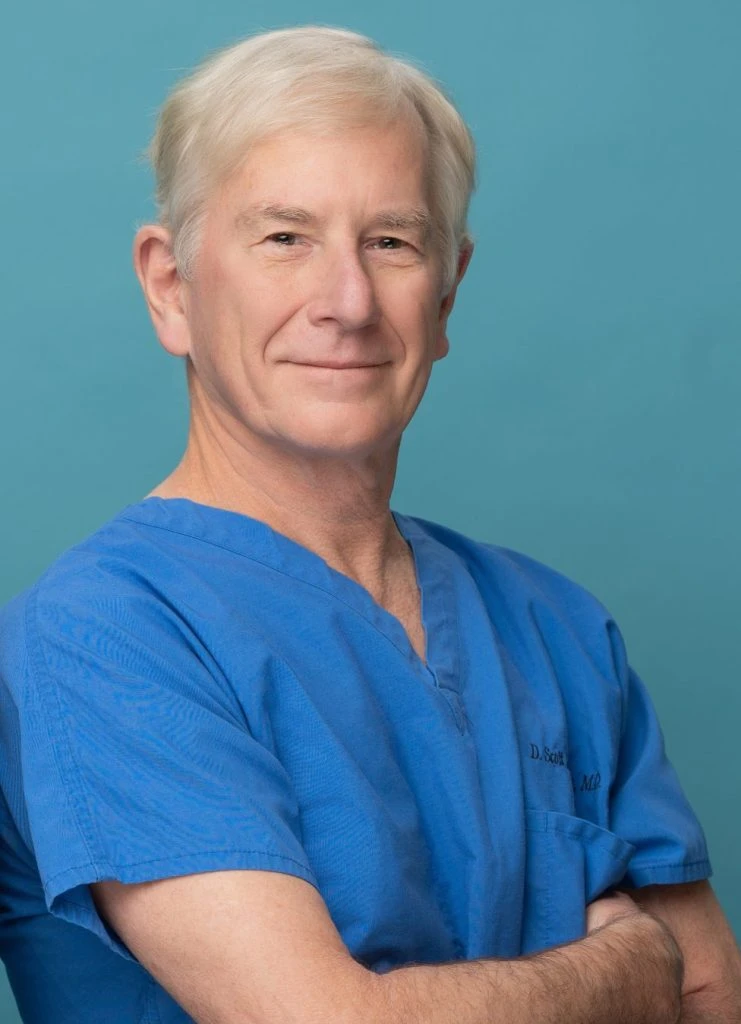
Dr. Daniel Scott Karempelis
Dermatologist
Dermatology · Atlanta, Georgia, GA
View Profile
Dr. Bertha Baum
Board-Certified Dermatologist
Dermatology · Aventura, FL
View Profile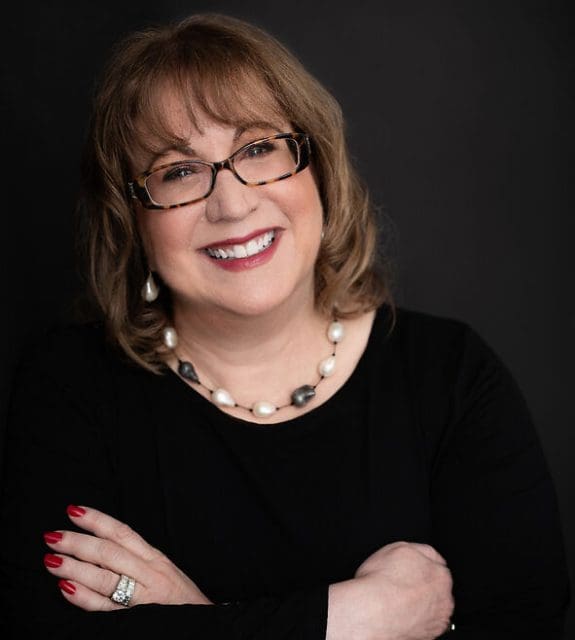
Dr. Victoria Cirillo-Hyland
Dermatologist
Dermatology · Bryn Mawr, PA
View ProfileAre you a Dermatology physician?
Join Haute MD Network and have your profile featured alongside these answers.
Apply for the NetworkRelated Guides
Guide · HAIR-LOSS
What Causes Hair Loss?
Hair loss is most commonly caused by genetics, hormonal changes, nutritional deficiencies, or medical conditions. Learn the most common causes and what to do about each.
Read GuideGuide · HAIR-LOSS
Male Pattern Baldness: Treatment Options That Work
FDA-approved treatments for male pattern baldness include minoxidil and finasteride. Learn how each works, what results to expect, and when to consider PRP or hair transplant.
Read GuideGuide · HAIR-LOSS
When to See a Doctor for Hair Loss
See a dermatologist when hair loss is sudden, diffuse, accompanied by scalp symptoms, or not responding to OTC treatments. Learn what to expect at your first visit.
Read Guide