Turn Back the Clock — Starting With Your Smile
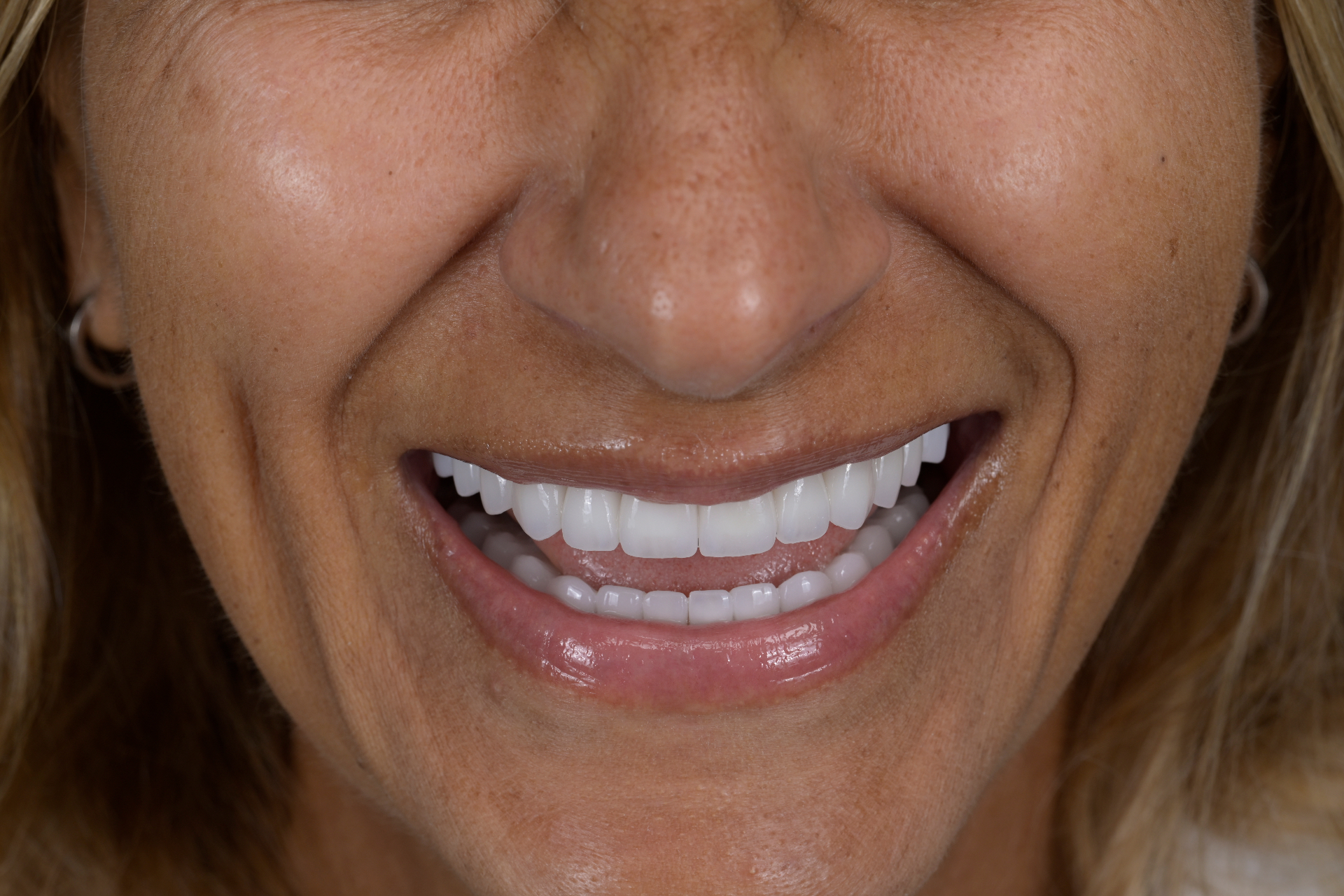
The smile makeover has quietly become one of beauty's best-kept anti-aging secrets — and it was never really about the teeth.
Dr. Husam Almunajed — Cosmetic & Restorative Dentist at Empire Dental Aesthetics in New York, NY.The smile makeover has quietly become one of beauty's best-kept anti-aging secrets. The catch? It was never really about the teeth.
There is a particular kind of aging that no serum can reach and no filler can fully fake. It doesn't announce itself in a single morning. It arrives slowly, a fraction of a millimeter at a time, as the teeth you were born with wear down against each other across decades of chewing, clenching, and simply living.
You won't notice it happening. But you will notice the result: a lower face that looks a little more folded, a little more collapsed. Lips that seem to have thinned or lost their cushion. A jaw that rests tighter than it used to. We tend to blame the skin. Often, the real story is unfolding underneath — in the teeth.
Which is exactly why the smile makeover has become one of the most quietly powerful anti-aging treatments in modern beauty. Not because it whitens. Because it restores. And when a great cosmetic dentist restores a worn, shortened smile back to its proper shape and length, something surprising happens to the whole face. The clock, in a very real sense, starts running backward.
The aging you can't see coming
Here's what most people don't realize: teeth get shorter as we age. Years of grinding and everyday wear grind them down, and as they shorten, the bite quietly over-closes — the jaw drifts into a collapsed, shortened position, like a building settling floor by floor.
The dentists who plan these transformations describe it as a loss of vertical dimension, the natural height and support the teeth are meant to give the lower third of the face. As that support disappears, the chin comes closer to the nose, the lips lose their scaffolding, and the mouth takes on a pinched, aged look — even in a face that is otherwise beautifully cared for.
A thoughtfully designed smile makeover rebuilds that lost height. By restoring the teeth to their proper shape and length, the lower third of the face is supported again. The lips regain their cushion. The jaw finds a more relaxed resting position, and the facial muscles no longer have to strain to compensate. The result isn't a "new" face. It's a rested one — less collapsed, less strained, and unmistakably more youthful.
Beyond the surface: beauty that actually works
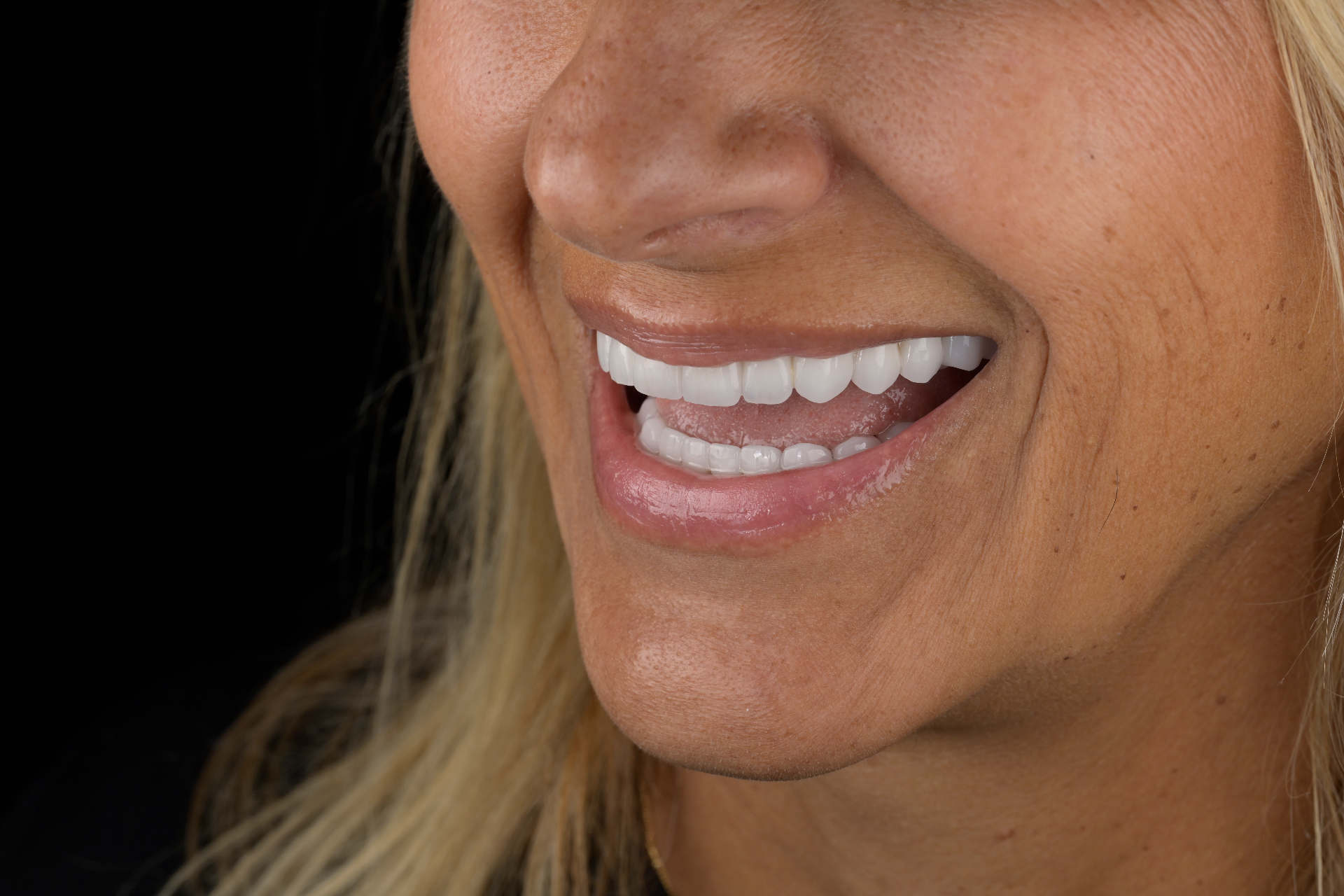
When most of us hear "smile makeover," we picture a cosmetic upgrade — brighter, straighter, more camera-ready. That's the visible half of the story. The invisible half is arguably the more valuable one.
A well-planned makeover isn't just prettier; it functions better. When teeth are restored into a balanced bite, they work together harmoniously, sharing the load rather than overloading a few vulnerable teeth. That means less unnecessary stress on individual teeth, less wear and tear, and real protection against future damage. In other words: you're not just buying a beautiful smile today. You're preventing the cracks, chips, and breakdowns of tomorrow.
It's the rare beauty investment that pays you back in longevity. The teeth are designed to move properly against one another and distribute force evenly, which protects them for the years ahead — an insurance policy disguised as a glow-up.
What's really being fixed
A comprehensive makeover looks at far more than color. Worn, uneven, chipped, crowded, or misaligned teeth can quietly affect how you chew, how you speak, and how your jaw moves. So the treatment plan is built around function as much as form, tailored entirely to the individual face and bite.
Depending on the patient, that might mean rebuilding worn-down teeth, replacing missing teeth with dental implants, closing gaps or straightening with Invisalign or braces, refining uneven edges, or engineering a more balanced bite from the ground up. Sometimes it means replacing old dental work — aging crowns, failing fillings, uneven bonding — that may be leaking, cracking, staining, or hiding decay underneath. The best dentists call this clean dentistry: fixing the underlying problem properly rather than papering over it, so the new work sits on a genuinely healthy foundation.
Once those issues are addressed, patients describe changes that go well beyond the mirror — chewing more comfortably, speaking more clearly, a jaw that feels less strained and a bite that finally feels stable and natural.
Biology always wins
Here is the non-negotiable, and any dentist worth trusting will lead with it: none of this works on an unhealthy foundation. The gums and bone support everything, and if they're inflamed, infected, or receding, even the most exquisite porcelain won't look right or last.
So before any cosmetic work begins, the mouth has to be healthy first — because, as the specialists like to put it, biology always wins. Gum inflammation, bleeding, infection, recession, or bone loss all get treated before a single veneer is designed. It's the least glamorous chapter of the process and the one that determines whether the results are beautiful for a year or for decades.
Not "perfect." Yours.
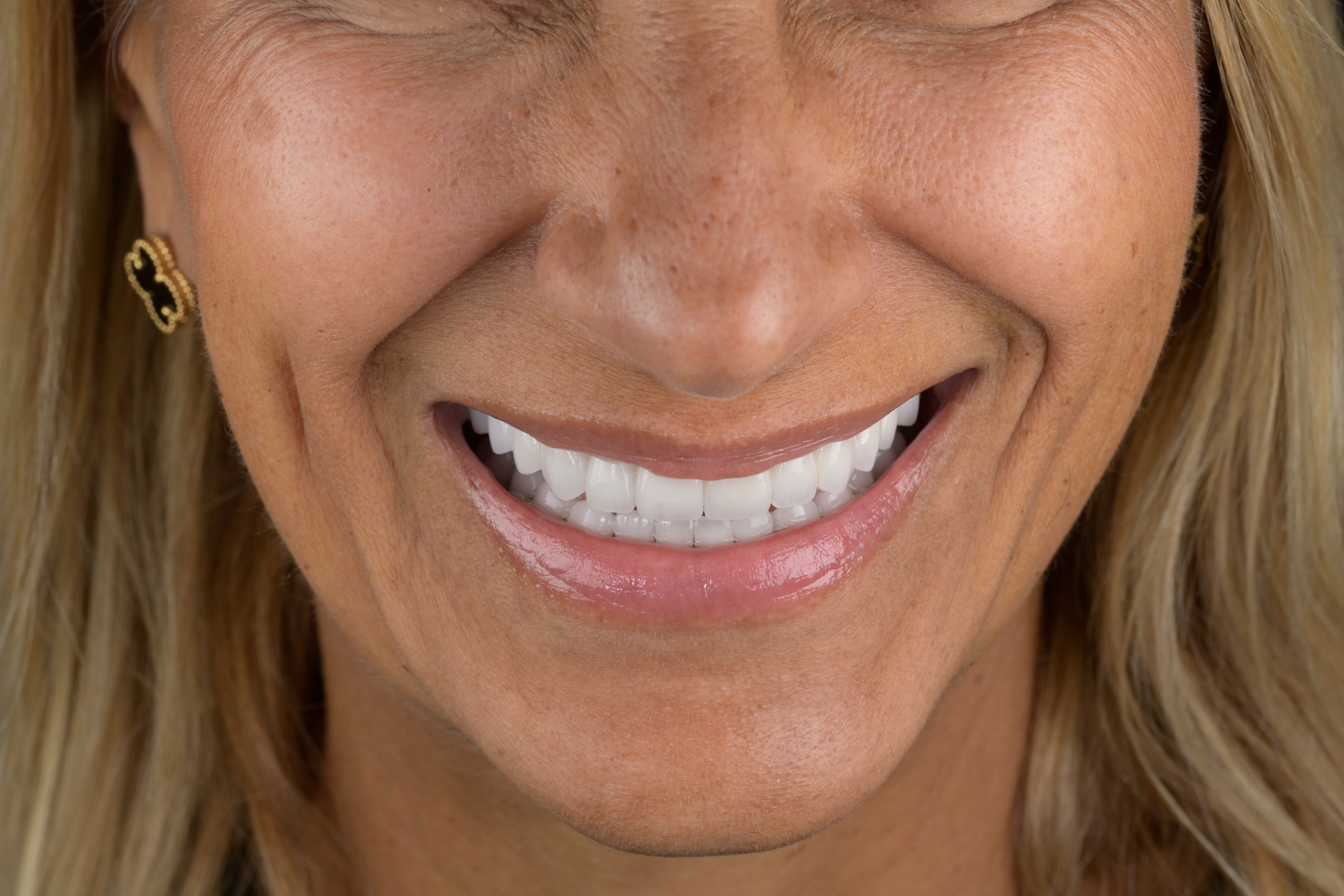
The greatest misconception about smile makeovers is that the goal is perfect, uniform, blindingly white teeth. The two things dentists hear most often are, "I want it to look natural," and "I don't want Chiclets." That flat, bulky, artificial look is the signature of dentistry that wasn't designed with enough artistry.
Real teeth have depth, character, and the way they catch the light. Recreating that in porcelain — the right shade, translucency, texture, and natural sparkle — is genuinely an art form, and the skill of the ceramist matters enormously. The aim is never to hand you someone else's smile or turn you into a different person. It's to design an elevated version of your own smile, one that suits your face, your lips, and your personality. You, only better.
The part that changes everything
And then there's the effect that doesn't show up on any dental chart. When someone dislikes their smile, they often don't realize how much they've been managing it — covering their mouth, dodging photos, holding back a full laugh, staying quiet in the room. There's a subtle self-consciousness that pulls them slightly out of their own life, a worry that people are looking at their teeth instead of truly seeing them.
Removing that barrier can be genuinely life-changing. Imagine laughing without a hand halfway to your mouth. Smiling in the photo instead of stepping out of it. Being fully, unguardedly present. That confidence ripples outward — personally, socially, professionally — in ways a whiter shade of enamel never could.
Which is the real headline here. A smile makeover, done beautifully, is about far more than teeth. It's healthier and more functional. It protects what you have and prevents what's coming. It supports and lifts an aging face from the inside out. And when it's done right, it hands back something you may not have realized you'd been slowly losing — a smile that's younger, stronger, and entirely, authentically your own.