morpheus8
Morpheus8 for Dark Skin Tones: Why It's Safe and How It Works
Last reviewed: May 2026 · Haute MD Editorial Team
One of Morpheus8's most clinically significant advantages is its safety profile across all skin tones — including Fitzpatrick skin types IV, V, and VI (medium-dark to very dark skin) where many laser and light-based treatments carry meaningful risk of post-inflammatory hyperpigmentation (PIH) or hypopigmentation. The safety advantage stems from RF energy's mechanism — it targets water molecules in tissue rather than chromophores (melanin or hemoglobin), making it "color-blind" in a way that IPL, Nd:YAG, and ablative lasers are not.
Why RF is safer than light-based treatments for dark skin
Light-based treatments (IPL, ablative laser, non-ablative laser) target chromophores — melanin in pigmented lesions, hemoglobin in blood vessels. In darker skin tones, the high melanin content in the epidermis competes with the target chromophore for the light energy — increasing the risk of unintended epidermal heating, blistering, and PIH. RF energy is delivered through needles that bypass the epidermis entirely, depositing energy based on tissue resistance (primarily water content) rather than color. This is why Morpheus8 can be safely used on skin types that would carry significant risk with IPL or ablative laser.
Provider considerations for darker skin tones
While Morpheus8 is safer than light-based alternatives for dark skin, provider experience with darker skin tones still matters. Settings (energy level, pulse duration, needle depth) should be calibrated for the patient's skin type — starting conservatively and building based on response. Aggressive settings at superficial depths can still cause epidermal injury in darker skin if not adjusted appropriately. Seek providers who have demonstrable experience with darker skin tones and who can show before-and-after results from patients with similar skin types. Post-treatment sun protection is even more important in darker skin tones — any inflammatory response has greater potential for PIH.
Managing expectations and results in darker skin
Morpheus8 in darker skin tones produces the same collagen remodeling benefits as in lighter skin — skin quality improvement, mild tightening, and subdermal contouring. Results in terms of visible improvement are comparable across skin types. The primary difference is in protocol conservatism — more conservative initial settings and careful post-treatment sun protection. PIH, while less likely than with laser alternatives, can still occur and is most effectively prevented by aggressive sun protection (SPF 50+ daily) for 4-6 weeks post-treatment and avoiding heat and UV during recovery.
Frequently Asked Questions
Can I get Morpheus8 if I have dark skin?
Yes — Morpheus8 is appropriate for all Fitzpatrick skin types including IV-VI. It is one of the best options for skin tightening and rejuvenation in darker skin tones precisely because RF energy bypasses the melanin-rich epidermis. Choose a provider experienced with your specific skin type.
What skin tightening alternatives are safe for dark skin?
RF microneedling (Morpheus8, Vivace, Secret RF), radiofrequency (Thermage), and ultrasound (Ultherapy) are all color-blind and safe across skin tones. Chemical peels at appropriate depths and types are also options. Avoid IPL, ablative CO2 laser, and many non-ablative lasers in darker skin tones unless performed by a very experienced provider using appropriate settings.
Is there a risk of bleaching or darkening from Morpheus8 in dark skin?
Hypopigmentation (bleaching) is not a typical risk with Morpheus8 as it does not target melanin. Post-inflammatory hyperpigmentation (darkening) is the more relevant risk — and is significantly mitigated by conservative settings, adequate numbing to reduce tissue stress, and rigorous sun protection before and after treatment.
How do I find a provider experienced with dark skin tones?
Ask specifically — "What percentage of your Morpheus8 patients have skin types IV-VI?" and "Can I see before-and-after photos from patients with similar skin tone to mine?" Providers who routinely treat diverse skin tones will have ready answers and portfolios. Academic dermatology departments and dermatologists who practice in diverse communities often have the most extensive experience.
Get Help Now
Speak with a Haute MD Dermatology physician
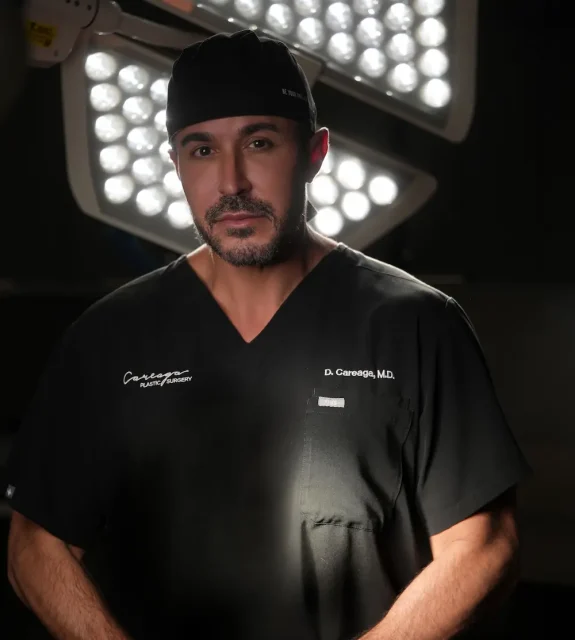
Dr. Daniel Careaga
Double Board-Certified Plastic Surgeon
Dermatology · Coral Gables, FL
View Profile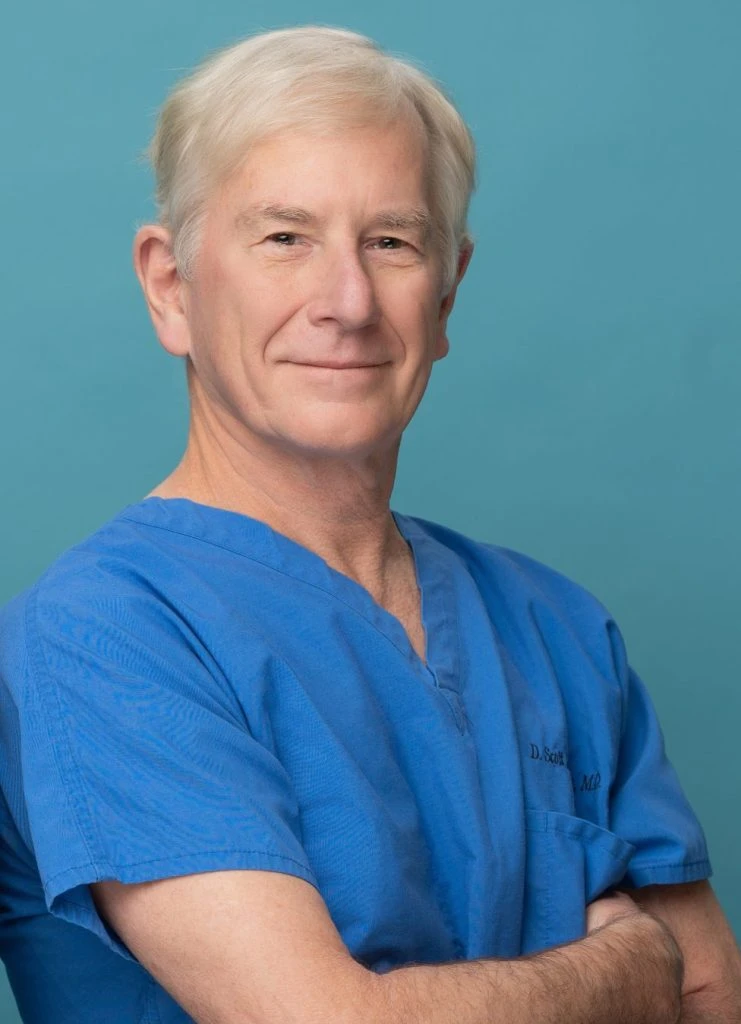
Dr. Daniel Scott Karempelis
Dermatologist
Dermatology · Atlanta, Georgia, GA
View Profile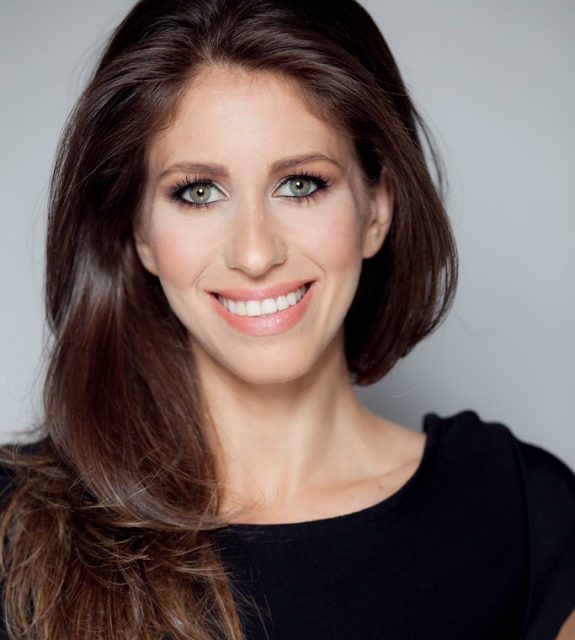
Dr. Bertha Baum
Board-Certified Dermatologist
Dermatology · Aventura, FL
View ProfileAre you a Dermatology physician?
Join Haute MD Network and have your profile featured alongside these answers.
Apply for the NetworkRelated Guides
Guide · MORPHEUS8
Morpheus8 vs. Ultherapy: Which Is Better for Skin Tightening?
Morpheus8 and Ultherapy both tighten skin non-surgically but work differently. Learn how each works, what results to expect, and which is right for your concerns.
Read GuideGuide · MORPHEUS8
Morpheus8 Downtime and Recovery: What to Expect
Morpheus8 requires 3-5 days of downtime with redness and swelling. Learn what recovery looks like day by day and how to care for skin after treatment.
Read Guide