Longevity Medicine
What Is Muscle Longevity? Why Muscle Mass Is the Organ of Longevity
Last reviewed: May 2026 · Haute MD Editorial Team
Skeletal muscle is increasingly recognized as an endocrine organ — not just a movement-generating tissue — that produces myokines (muscle-derived signaling molecules) with far-reaching effects on metabolism, inflammation, cognitive function, and longevity. Sarcopenia (age-related muscle loss) begins in the 30s at approximately 3-5% per decade and accelerates after 60 — producing progressive weakness, metabolic dysfunction, fall risk, insulin resistance, functional decline, and significantly increased mortality. Grip strength and leg press strength are independently associated with all-cause mortality in large population studies — making muscle strength one of the most accessible and powerful longevity biomarkers available.
Why muscle mass predicts longevity so powerfully
Metabolic function — muscle is the primary site of glucose disposal (approximately 80% of glucose uptake is in muscle); loss of muscle mass drives insulin resistance and metabolic dysfunction. For every kilogram of muscle lost, insulin sensitivity and resting metabolic rate decline measurably. Myokines — exercising muscle produces IL-6 (anti-inflammatory in exercise context), irisin (brain-protective, fat-browning), BDNF (brain-derived neurotrophic factor — critical for neuroplasticity and cognitive health), and dozens of other signaling molecules that mediate the systemic benefits of exercise. Fall and fracture prevention — sarcopenia dramatically increases fall risk; hip fractures in older adults carry 20-30% one-year mortality. Functional independence — maintaining sufficient muscle mass to perform activities of daily living is the primary determinant of independence in the final decades of life.
The protein question — how much is needed
The RDA for protein (0.8g/kg/day) is the minimum to prevent deficiency — not the optimal amount for muscle preservation and longevity. The evidence for muscle longevity supports significantly higher protein intake — 1.6-2.2g/kg/day for active adults maintaining or building muscle; 1.2-1.6g/kg/day as a minimum for sedentary older adults to minimize muscle loss. Leucine is the key amino acid signaling muscle protein synthesis — each meal should contain approximately 2.5-3g of leucine to maximally stimulate muscle protein synthesis. Animal proteins (meat, eggs, dairy, fish) generally provide more leucine and higher digestibility than plant proteins; vegans and vegetarians need higher total protein intake to achieve equivalent muscle protein synthesis stimulus. Protein distribution matters — spreading protein across 3-4 meals rather than concentrating it in one produces better muscle protein synthesis over 24 hours.
Resistance training — the prescription for muscle longevity
Resistance training 2-4 times per week is the primary intervention for muscle longevity — the minimum effective dose for maintaining muscle mass and function. Progressive overload — gradually increasing resistance over time — is essential; maintenance training without progression eventually produces plateau and decline. Training all major muscle groups — lower body (squats, deadlifts, leg press), upper body push (bench press, overhead press), upper body pull (rows, pull-ups), core — provides comprehensive coverage. Compound movements produce the greatest muscle mass and strength gains per unit of training time. For older adults — higher volume (more sets) at moderate intensity (70-75% of 1RM) with full range of motion produces comparable muscle gains to lower volume high-intensity training with fewer injury risks.
Frequently Asked Questions
What is sarcopenia?
Sarcopenia is the age-related loss of skeletal muscle mass and strength. It is defined by low muscle mass plus low muscle strength or function — typically measured by DEXA scan (body composition), grip strength, and gait speed. It affects approximately 10% of adults over 60, 20% over 70, and 30%+ over 80. Sarcopenia is not inevitable — it is dramatically reduced by consistent resistance training and adequate protein intake throughout life. The earlier these habits are established, the more muscle mass is preserved as the rate of age-related loss accelerates.
What is the best exercise for longevity?
The combination of aerobic training (for VO2 max and cardiovascular health) and resistance training (for muscle mass, strength, and metabolic health) produces the greatest longevity benefit — neither alone matches the combination. For aerobic training: 150+ minutes of Zone 2 weekly plus 1-2 weekly high-intensity intervals. For resistance training: 2-4 sessions weekly covering all major muscle groups with progressive overload. If time is limited, prioritize the type of training most deficient in your current routine — most people do more cardio than strength training, but the reverse can also be true.
Does protein timing matter for muscle building?
Yes — protein timing influences muscle protein synthesis. Optimal strategies — consuming 30-50g of protein within 2 hours of resistance training maximizes post-exercise muscle protein synthesis; distributing total daily protein across 3-4 meals rather than one or two large meals produces better 24-hour muscle protein synthesis; consuming a casein-rich protein source (cottage cheese, Greek yogurt) before sleep reduces overnight muscle protein breakdown. These strategies are most important for people near their minimum effective protein intake; at higher total protein intakes, timing effects are smaller.
Can muscle mass be regained after significant loss?
Yes — muscle can be rebuilt at any age, including in the 80s and 90s. 'Muscle memory' refers to the epigenetic mechanism by which previously trained muscles regain mass faster than naive muscles when training resumes — making earlier training investment valuable even if interrupted. The rate of regaining muscle is slower in older adults than younger, but meaningful hypertrophy in response to resistance training is well-documented in adults up to their 90s in controlled studies. Adequate protein intake (1.2-2g/kg/day) is essential alongside training for muscle regrowth.
Get Help Now
Speak with a Haute MD Longevity Medicine physician

Dr. George Kaltner
CEO
Longevity Medicine · Miami Beach, FL
View Profile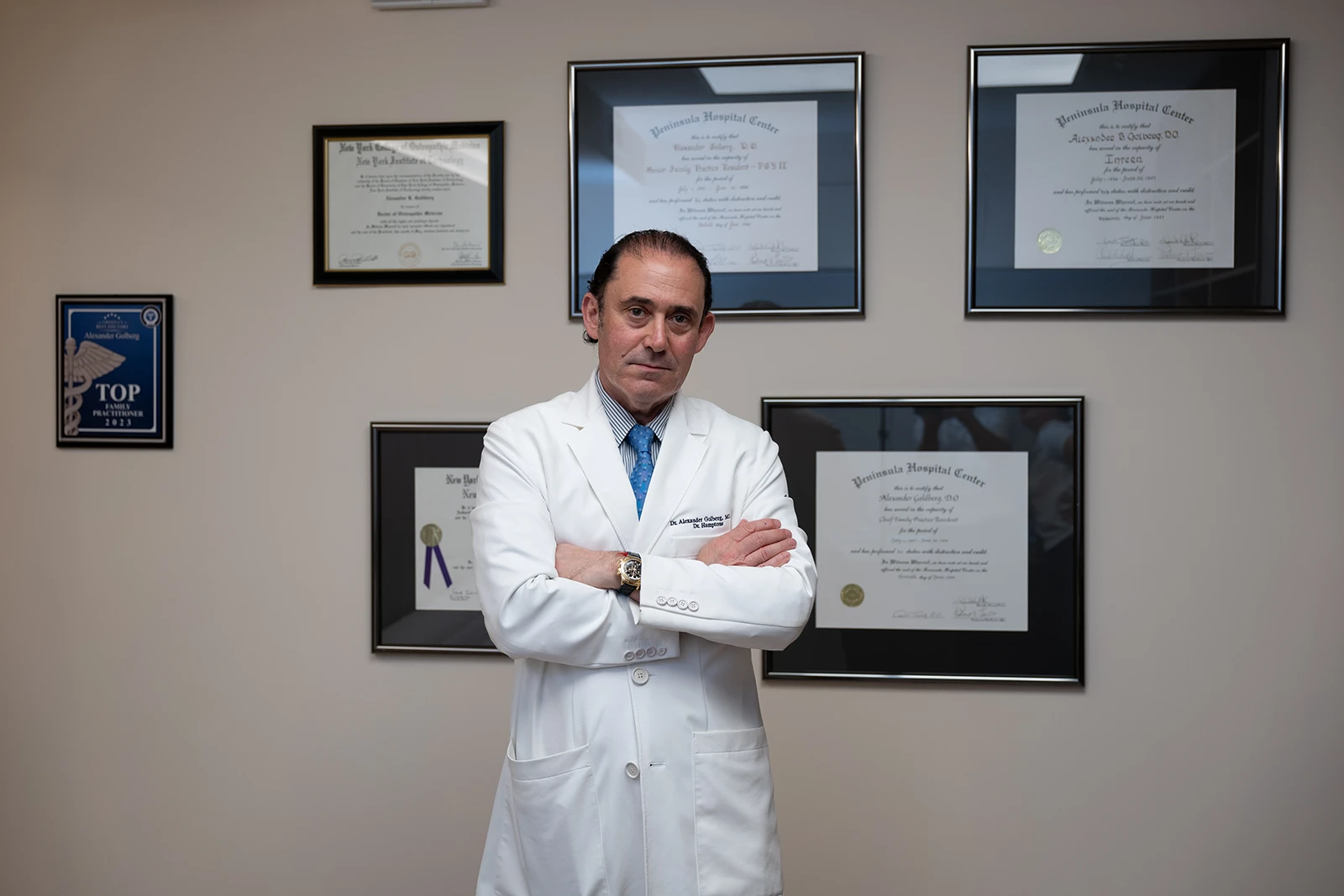
Dr. Alexander Golberg
Longevity Medicine · New York, NY
View Profile
Dr. Steven Victor
Regenerative Medicine Specialist
Longevity Medicine · New York, NY
View ProfileAre you a Longevity Medicine physician?
Join Haute MD Network and have your profile featured alongside these answers.
Apply for the NetworkRelated Guides
Guide · LONGEVITY MEDICINE
What Is Longevity Medicine?
Longevity medicine uses evidence-based diagnostics and interventions to extend healthspan — the years lived in good health. Learn what it involves and who it's for.
Read GuideGuide · LONGEVITY MEDICINE
What Is VO2 Max?
VO2 max — your cardiorespiratory fitness level — is the single strongest predictor of longevity. Learn what it is, how it's measured, and how to improve it.
Read GuideGuide · LONGEVITY MEDICINE
What Is Metabolic Health?
Metabolic health means optimal blood sugar, blood pressure, cholesterol, waist size, and triglycerides — without medication. Learn why it matters and how to achieve it.
Read Guide