Longevity Medicine
What Is Social Connection and Longevity?
Last reviewed: May 2026 · Haute MD Editorial Team
Social connection — the quality and frequency of close personal relationships — is one of the strongest non-biological predictors of longevity. Meta-analyses show that low social connection raises mortality risk to a degree comparable to smoking 15 cigarettes a day and exceeding the risk of obesity or physical inactivity. It is among the most underappreciated and modifiable longevity factors.
The evidence: how powerful social connection actually is
Holt-Lunstad's landmark 2010 meta-analysis of 148 studies (308,849 participants) found that strong social relationships increased the likelihood of survival over a follow-up period by 50% — an effect comparable to quitting smoking and larger than the effect of physical activity or healthy weight. The 2015 follow-up meta-analysis quantified the mortality risk of loneliness and social isolation as approximately 26-29% increase in early death — comparable to obesity. The Harvard Study of Adult Development, now in its ninth decade, identified relationship quality as the single best predictor of late-life health and happiness across hundreds of metrics. Blue Zone populations (Okinawa, Sardinia, Nicoya, Ikaria, Loma Linda) share dense, multigenerational social networks as a defining feature. The effect is not just psychological — chronic loneliness is associated with elevated cortisol, increased inflammation (IL-6, CRP), impaired immune function, accelerated cognitive decline, and increased cardiovascular disease.
How social connection drives biology
Mechanisms by which connection extends healthspan: (1) chronic loneliness activates the HPA axis, elevating cortisol and driving systemic inflammation; (2) close relationships buffer stress reactivity — social support measurably reduces cortisol response to stressors; (3) connected people receive better practical health support (reminders, transportation to care, early identification of changes); (4) shared meals, activities, and exercise often happen socially — social isolation tends to predict sedentary, solo behaviors; (5) sense of belonging and purpose, often relationship-derived, predicts adherence to health behaviors; (6) marriage and stable partnership are associated with better cardiovascular outcomes, faster recovery from illness, and longer survival across diverse populations. Quality matters more than quantity — a few deep relationships predict outcomes better than many superficial contacts, and toxic or high-conflict relationships can carry their own health costs.
How to build connection deliberately
Social connection often declines in midlife and beyond as work, child-rearing, and geographic moves disrupt social networks. Practical strategies: (1) regular, scheduled time with close family and friends — weekly or biweekly rituals (dinners, calls, walks) sustain relationships across distance; (2) participate in regular group activities — religious community, sports leagues, hobby groups, volunteer work; (3) prioritize in-person contact over digital — passive social media use is associated with worse outcomes, while active in-person interaction is protective; (4) cultivate intergenerational connection — Blue Zone populations consistently include relationships across generations; (5) marriage and committed partnership, when healthy, is among the strongest individual predictors; (6) for older adults, structured programs (senior centers, intergenerational housing, walking groups) are evidence-supported interventions for reducing loneliness. Longevity programs increasingly screen for social connection alongside physical biomarkers and treat isolation as a clinical issue requiring intervention.
Frequently Asked Questions
Is loneliness really as bad for health as smoking?
Meta-analytic effect sizes are comparable. Both raise all-cause mortality risk by roughly 25-30% over multi-decade follow-up. The mechanisms differ but the magnitude is similar — and unlike smoking, loneliness is not yet a routine clinical screening target.
Does online connection count?
Partially. Active digital connection that maintains real relationships (video calls with distant family, ongoing dialogue with close friends) provides some benefit. Passive social media use (scrolling, comparing) is associated with worse mental health and does not substitute for in-person contact. The bulk of the research-supported benefit comes from physical presence and emotional intimacy, not digital exposure.
What if I'm an introvert?
The protective effect is about depth of connection, not breadth or extroverted socializing. A small number of close, high-quality relationships provides the benefit just as well as a wide social circle. Introverts often have stronger close relationships per contact than extroverts on average.
How is social connection screened in longevity medicine?
Validated tools include the UCLA Loneliness Scale, the Lubben Social Network Scale, and structured questions about frequency and depth of contact. Longevity programs increasingly include these screens alongside physical biomarkers, and treat low scores as a clinical issue warranting intervention.
Get Help Now
Speak with a Haute MD Longevity Medicine physician

Dr. George Kaltner
CEO
Longevity Medicine · Miami Beach, FL
View Profile
Dr. Alexander Golberg
Longevity Medicine · New York, NY
View Profile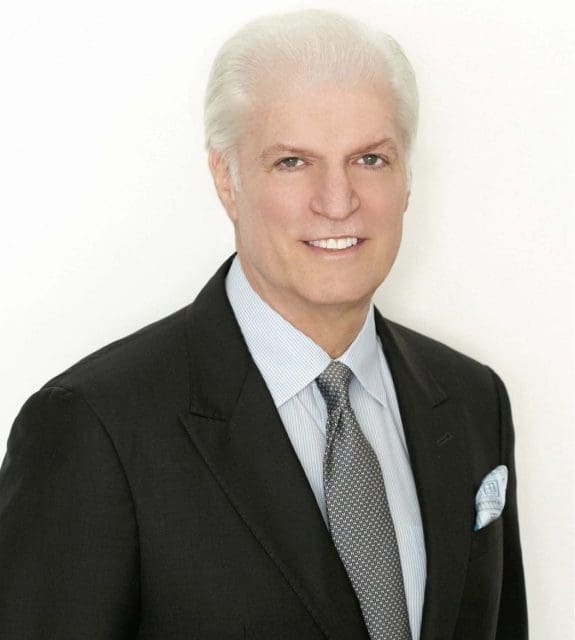
Dr. Steven Victor
Regenerative Medicine Specialist
Longevity Medicine · New York, NY
View ProfileAre you a Longevity Medicine physician?
Join Haute MD Network and have your profile featured alongside these answers.
Apply for the NetworkRelated Guides
Guide · LONGEVITY MEDICINE
What Is Purpose and Longevity?
A strong sense of purpose is independently associated with lower mortality, less cognitive decline, and better health behaviors. Learn how purpose drives longevity.
Read GuideGuide · LONGEVITY MEDICINE
What Is the Blue Zones Research?
Blue Zones are five global regions with exceptional longevity. Learn the shared lifestyle patterns researchers identified — and the limits of the evidence.
Read GuideGuide · LONGEVITY MEDICINE
What Is Cortisol and Its Role in Aging?
Cortisol is the primary stress hormone. Chronic elevation accelerates aging. Learn how cortisol works, how to measure it, and how to regulate it.
Read Guide