Longevity Medicine
What Is Purpose and Longevity?
Last reviewed: May 2026 · Haute MD Editorial Team
A strong sense of purpose — having clear, meaningful goals that organize daily life and provide a sense of direction — is independently associated with longer life, lower rates of cognitive decline, reduced cardiovascular disease, and better adherence to health-promoting behaviors. The effect persists after adjusting for income, education, and physical health.
The evidence for purpose as a longevity factor
Multiple prospective cohort studies have quantified the effect: a 2009 Rush Memory and Aging Project study followed older adults for 5 years and found those with the highest purpose scores had approximately half the mortality risk of those with the lowest scores. A 2019 University of Michigan study of 6,985 adults over 50 found strong purpose associated with a 15% reduction in all-cause mortality over 4-year follow-up. Purpose is also associated with: 2.4x lower risk of developing Alzheimer's disease, lower stroke risk, better sleep quality, reduced rates of depression, slower cognitive decline, and stronger immune function. The Japanese concept of 'ikigai' — reason for being — is identified as a defining feature of the Okinawan Blue Zone, and Costa Rican 'plan de vida' similarly characterizes Nicoya. The effect appears across cultures and demographics.
Why purpose drives biology and behavior
Mechanisms are both behavioral and biological. Behaviorally: purpose increases adherence to health behaviors (exercise, sleep, medical follow-up) because future-oriented activities matter when one has a future-oriented life; it reduces unhealthy coping (excess alcohol, sedentary withdrawal, social isolation) by providing intrinsic engagement; it sustains social connection by linking the individual to a community of shared meaning. Biologically: high-purpose individuals show lower cortisol reactivity to stress, lower systemic inflammation (CRP, IL-6), better autonomic balance (higher HRV), and slower epigenetic aging in some studies. The mechanism is likely a positive feedback loop — purpose drives behaviors that lower allostatic load, and lower allostatic load preserves the cognitive and physical capacity to sustain purpose. Retirement without replacement of meaning is associated with measurable health decline; preserving or rebuilding purpose post-retirement appears protective.
How to cultivate purpose deliberately
Purpose is not innate or static — it can be developed across the lifespan. Evidence-supported approaches: (1) identify intrinsic interests and develop them seriously — purpose tends to emerge from sustained engagement with something larger than self-interest; (2) volunteer or mentor — direct contribution to others, particularly intergenerational, is consistently associated with purpose; (3) pursue creative or learning projects with concrete goals; (4) sustain or build community involvement (religious, civic, cultural) — shared purpose with others amplifies the effect; (5) for retirees and those facing major life transitions, deliberately replace work-derived purpose with new commitments (consulting, teaching, advocacy, grandparenting, deep hobbies). Purpose interventions are now studied in clinical settings — even brief 'purpose intervention' programs show measurable benefits in older adults. In longevity practice, purpose is increasingly assessed via validated scales (e.g., the Ryff Purpose in Life Scale) and treated as a clinical target on par with physical biomarkers.
Frequently Asked Questions
Do I need a 'big' purpose to get the benefit?
No. Research-supported purpose can be small in scope — caring for grandchildren, sustaining a community garden, mentoring younger colleagues, maintaining a craft. What matters is that the activity is meaningful to you, future-oriented, and engages you regularly.
What if I retire and lose my work-derived purpose?
This is a recognized risk window. Retirement without proactive replacement of meaning is associated with measurable cognitive and physical decline. The protective approach is to plan replacement purpose before retirement — volunteer commitments, consulting, deep hobbies, family roles — and treat the transition as actively as you would treat a financial planning question.
Is religious or spiritual purpose stronger than secular?
Both protect, and the magnitude is similar when controlling for community involvement. Religious participation often combines purpose with social connection and ritual, creating compounding benefit; secular purposes (creative, civic, family) provide similar effect through similar mechanisms.
Can purpose be measured in a clinical setting?
Yes. Validated tools include the Ryff Purpose in Life Scale and the Life Engagement Test. Longevity practices increasingly screen for purpose alongside depression and social connection, and treat low scores as actionable — typically with referral to community engagement, therapy, or coaching.
Get Help Now
Speak with a Haute MD Longevity Medicine physician
Dr. George Kaltner
CEO
Longevity Medicine · Miami Beach, FL
View Profile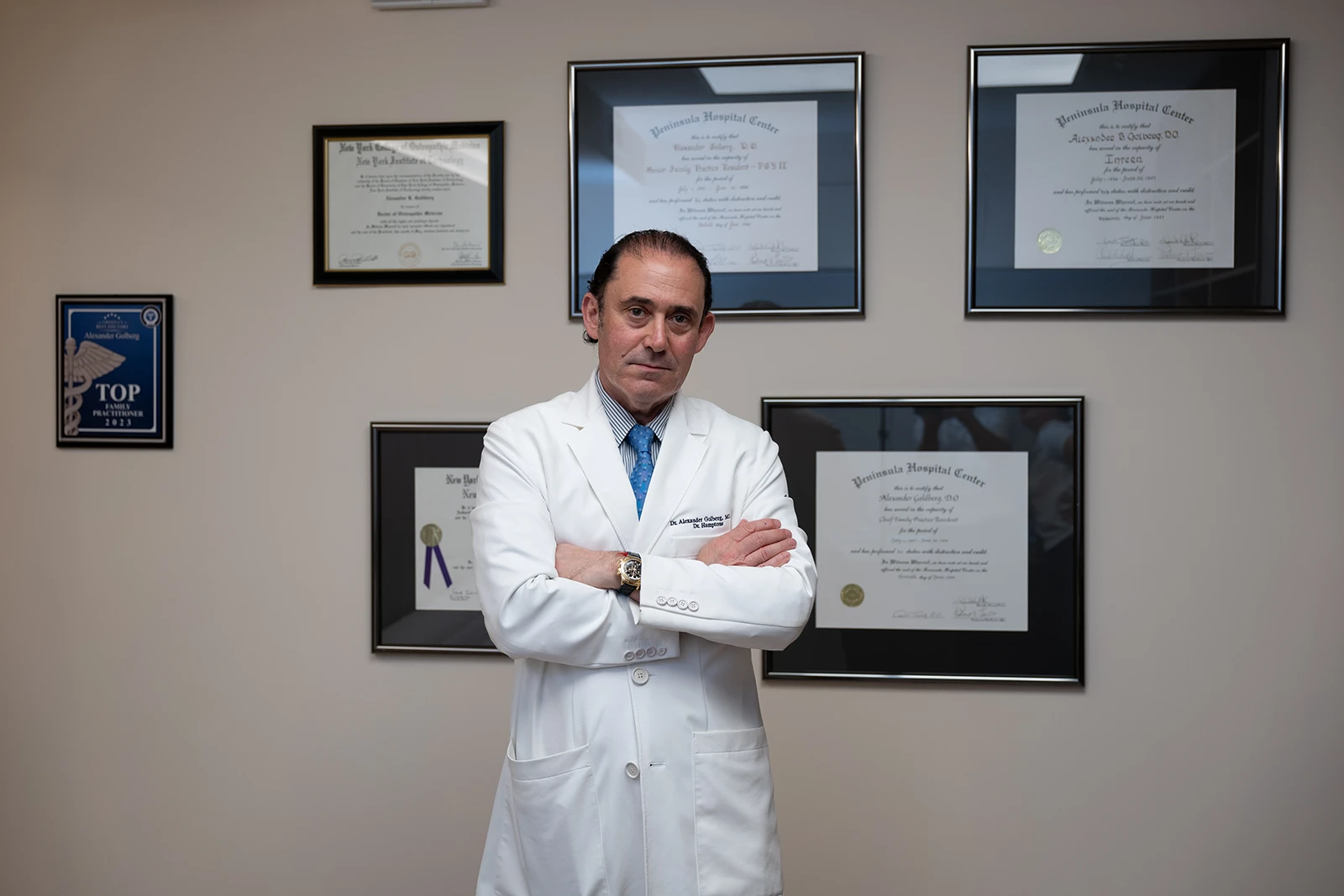
Dr. Alexander Golberg
Longevity Medicine · New York, NY
View Profile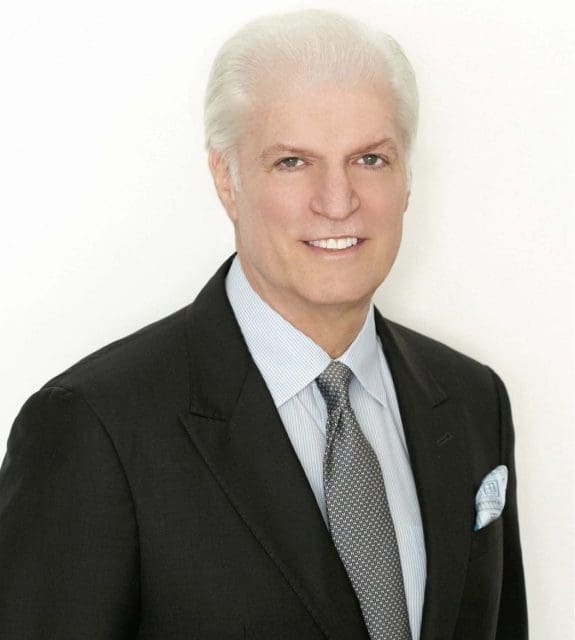
Dr. Steven Victor
Regenerative Medicine Specialist
Longevity Medicine · New York, NY
View ProfileAre you a Longevity Medicine physician?
Join Haute MD Network and have your profile featured alongside these answers.
Apply for the NetworkRelated Guides
Guide · LONGEVITY MEDICINE
What Is Social Connection and Longevity?
Strong social relationships predict longevity as powerfully as exercise or not smoking. Learn what the research shows and how to build connection deliberately.
Read GuideGuide · LONGEVITY MEDICINE
What Is the Blue Zones Research?
Blue Zones are five global regions with exceptional longevity. Learn the shared lifestyle patterns researchers identified — and the limits of the evidence.
Read GuideGuide · LONGEVITY MEDICINE
What Is Cognitive Longevity? Protecting Brain Health for Life
Cognitive longevity means maintaining sharp memory, processing speed, and executive function across decades. Learn the evidence-based strategies that protect brain health.
Read Guide