Longevity Medicine
How Do You Improve Longevity? The Evidence-Based Approach
Last reviewed: May 2026 · Haute MD Editorial Team
Improving longevity — both lifespan and healthspan — is the result of systematically addressing the modifiable factors that most powerfully drive biological aging. The evidence is remarkably consistent across different scientific disciplines — epidemiology, molecular biology, clinical medicine, and geroscience all converge on the same core interventions. The five pillars with the strongest evidence for extending healthspan are: exercise (the single most powerful intervention), sleep (the most neglected), metabolic health (the most measurable), nutrition (the most studied but most confused), and stress and social connection (the most underestimated).
The exercise prescription for longevity
The longevity exercise prescription has two non-negotiable components. Aerobic fitness (VO2 max) — 150+ minutes weekly of Zone 2 training (conversational pace, approximately 60-70% max heart rate) as the foundation; plus 1-2 weekly sessions of high-intensity intervals (4x4 protocol or equivalent) to drive VO2 max improvement. This combination improves mitochondrial density, cardiovascular efficiency, and metabolic flexibility. Resistance training — 2-4 sessions weekly training all major muscle groups with progressive overload; prioritizing compound movements (squat, deadlift, press, row, pull). Preserves muscle mass, bone density, insulin sensitivity, and functional capacity. Neither component is optional — the combination produces significantly greater longevity benefit than either alone.
Sleep, metabolic health, and nutrition
Sleep — 7-9 hours consistently with stable timing. The most powerful sleep interventions: consistent sleep/wake time (circadian entrainment), sleep-environment optimization (65-68°F, darkness, quiet), alcohol elimination within 3-4 hours of bedtime, and morning bright light exposure. Treating sleep apnea if present. Metabolic health — prioritize insulin sensitivity through resistance training, weight management (if overweight), low-glycemic dietary pattern, and regular monitoring of fasting insulin, glucose, and HbA1c. Advanced lipid management (ApoB below 80 mg/dL) through dietary means and medication if indicated. Nutrition — the Mediterranean dietary pattern has the strongest and most consistent evidence base: abundant vegetables, legumes, whole grains, olive oil, fish, moderate nuts, limited red meat and ultra-processed food. Adequate protein (1.2-2g/kg/day) with leucine-rich animal proteins or supplemented plant proteins is critical for muscle preservation.
Stress management and social connection
Chronic stress is a primary biological aging accelerant — elevating cortisol, driving NF-kB inflammatory signaling, impairing sleep, and accelerating epigenetic aging. Evidence-based stress interventions — regular vigorous exercise (the most biologically effective stress reliever), mindfulness-based stress reduction (MBSR — the most studied psychological intervention for cortisol and inflammatory marker reduction), social connection (robust relationships reduce all-cause mortality by approximately 50% in large meta-analyses — comparable to not smoking), and adequate sleep (the stress-sleep feedback loop is bidirectional — stress impairs sleep and sleep deprivation elevates stress reactivity). Purpose and meaning — populations with strong sense of purpose (ikigai in Okinawa) consistently demonstrate better health outcomes and longer lives in both observational and prospective studies.
Frequently Asked Questions
What is the single most important thing I can do for longevity?
Improve your cardiorespiratory fitness (VO2 max). No other single modifiable intervention has a larger effect size on all-cause mortality. Going from the bottom fitness quintile to the second-lowest reduces mortality by approximately 50% — larger than the effect of quitting smoking, treating hypertension, or taking a statin. If you have limited time and energy for health optimization, prioritize regular vigorous aerobic exercise first.
What do the world's longest-lived populations have in common?
Dan Buettner's Blue Zones research (Okinawa, Sardinia, Nicoya Peninsula, Ikaria, Loma Linda) identifies consistent patterns — daily natural movement (not structured exercise, but physically demanding daily life); predominantly plant-based whole-food dietary patterns with high legume consumption; strong social networks and community belonging; sense of purpose; stress-reduction practices (prayer, napping, ancestor veneration); moderate caloric intake; and limited alcohol (or none, in Loma Linda). These are not longevity 'biohacks' — they are the consistent behavioral and social patterns of populations that live longest without medical intervention.
Does intermittent fasting extend longevity?
In animal models — strongly yes; multiple studies in multiple species show lifespan extension from caloric restriction and intermittent fasting. In humans — the evidence is promising but not conclusive for lifespan extension. Intermittent fasting (particularly time-restricted eating) improves metabolic markers, reduces inflammation, activates autophagy, and produces modest weight loss in most human studies. Whether these metabolic improvements translate to longer lifespan in humans is not yet established. It is a plausible longevity strategy with a favorable risk-benefit profile for most healthy adults.
What supplements are most evidence-supported for longevity?
The supplements with the most plausible mechanisms and human evidence — omega-3 fatty acids (EPA+DHA 2-4g daily — reduces cardiovascular and all-cause mortality in meta-analyses); vitamin D3 (1,000-5,000 IU daily — particularly important if deficient; VITAL trial showed mortality reduction); magnesium glycinate (200-400mg at night — widespread deficiency; supports hundreds of enzymatic reactions); NMN or NR (500mg or 300mg daily — restore NAD+ with emerging human evidence); creatine (3-5g daily — the most evidence-supported supplement for muscle health, with emerging cognitive benefits). No supplement replaces exercise, sleep, and metabolic health as longevity interventions.
Get Help Now
Speak with a Haute MD Longevity Medicine physician

Dr. George Kaltner
CEO
Longevity Medicine · Miami Beach, FL
View Profile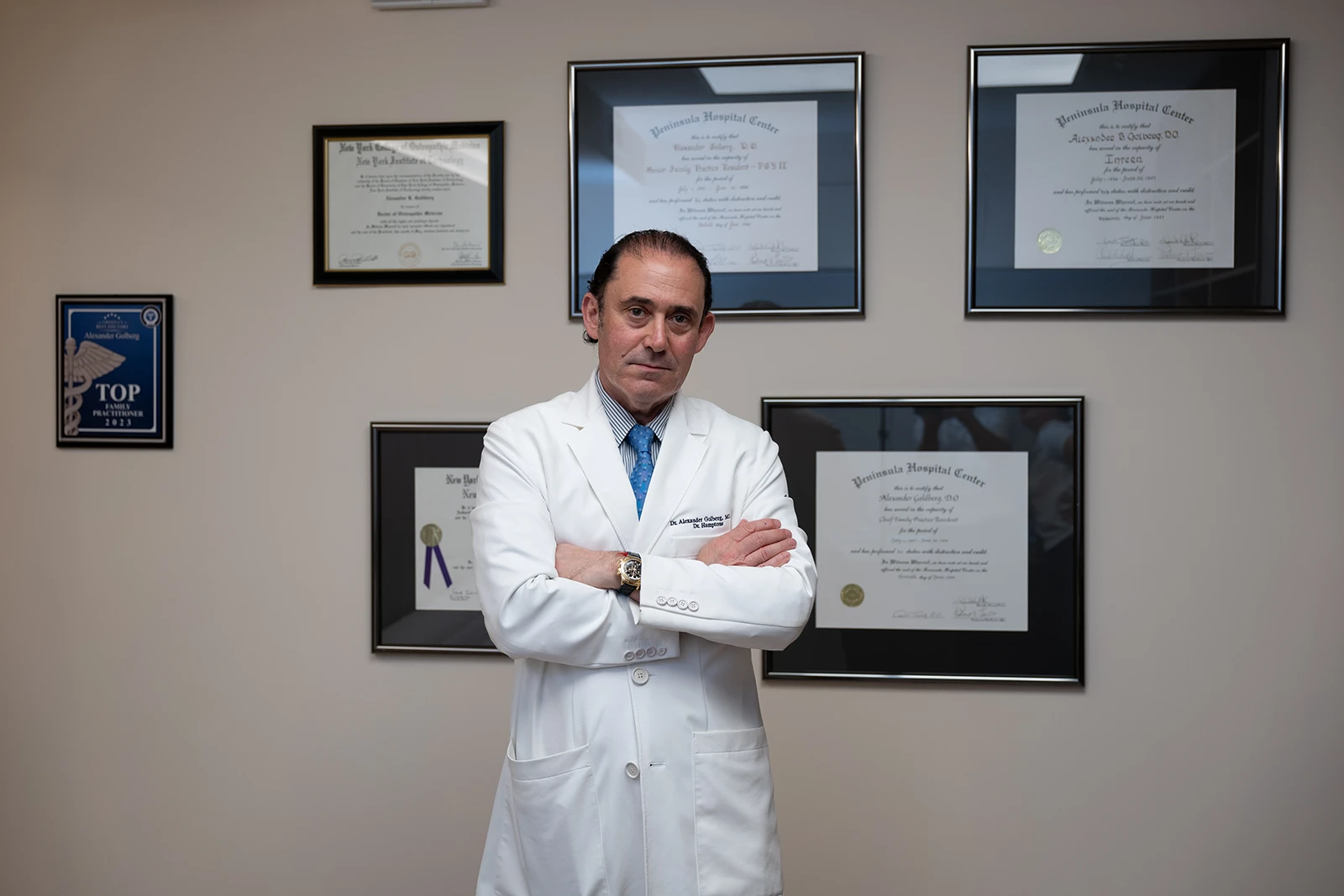
Dr. Alexander Golberg
Longevity Medicine · New York, NY
View Profile
Dr. Steven Victor
Regenerative Medicine Specialist
Longevity Medicine · New York, NY
View ProfileAre you a Longevity Medicine physician?
Join Haute MD Network and have your profile featured alongside these answers.
Apply for the NetworkRelated Guides
Guide · LONGEVITY MEDICINE
What Is Longevity Medicine?
Longevity medicine uses evidence-based diagnostics and interventions to extend healthspan — the years lived in good health. Learn what it involves and who it's for.
Read GuideGuide · LONGEVITY MEDICINE
What Is VO2 Max?
VO2 max — your cardiorespiratory fitness level — is the single strongest predictor of longevity. Learn what it is, how it's measured, and how to improve it.
Read GuideGuide · LONGEVITY MEDICINE
What Is Healthspan?
Healthspan is the years lived in good health — free from disease, disability, and cognitive decline. Learn how it differs from lifespan and how to maximize it.
Read Guide