Longevity Medicine
What Is Peptide Therapy?
Last reviewed: May 2026 · Haute MD Editorial Team
Peptide therapy uses short chains of amino acids that act as biological signaling molecules directing specific cellular functions. Common longevity peptides include BPC-157 (tissue repair), CJC-1295/Ipamorelin (GH secretion), PT-141 (sexual function), Thymosin Alpha-1 (immune modulation), and GLP-1 peptides (metabolic health).
Categories of longevity peptides
Tissue repair (BPC-157, TB-500), growth hormone secretagogues (CJC-1295, Ipamorelin, Tesamorelin), immune (Thymosin Alpha-1), and metabolic (GLP-1 receptor agonists such as semaglutide and tirzepatide).
Regulatory considerations
Many peptides are available only through compounding pharmacies and the regulatory landscape changes frequently. Work with a licensed physician who follows current FDA guidance to ensure safe sourcing.
Frequently Asked Questions
Are peptides FDA-approved?
Some peptides (such as semaglutide and tirzepatide) are FDA-approved for specific indications. Others are used off-label or via compounding pharmacies.
Are peptides safe?
When prescribed and monitored by a qualified physician using pharmaceutical-grade sources, peptides have a favorable safety profile. Self-administered peptides from unverified sources carry significant risk.
How are peptides administered?
Most longevity peptides are administered via subcutaneous injection. Some are available as oral, nasal spray, or topical formulations.
Get Help Now
Speak with a Haute MD Longevity Medicine physician
Dr. George Kaltner
CEO
Longevity Medicine · Miami Beach, FL
View Profile
Dr. Alexander Golberg
Longevity Medicine · New York, NY
View Profile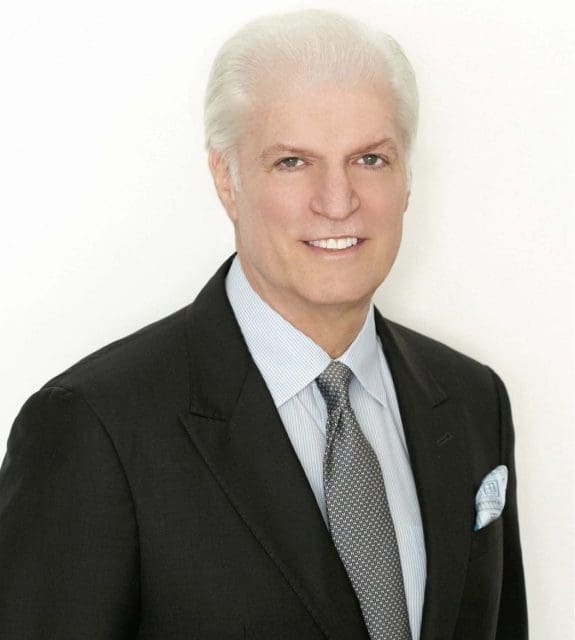
Dr. Steven Victor
Regenerative Medicine Specialist
Longevity Medicine · New York, NY
View ProfileAre you a Longevity Medicine physician?
Join Haute MD Network and have your profile featured alongside these answers.
Apply for the NetworkRelated Guides
Guide · LONGEVITY MEDICINE
What Is Hormone Optimization?
Hormone optimization restores hormonal balance to improve energy, body composition, cognitive function, and longevity. Learn what hormone optimization includes.
Read GuideGuide · LONGEVITY MEDICINE
What Is NAD Therapy?
NAD+ therapy replenishes declining levels of this critical coenzyme to support energy production, DNA repair, and cellular aging.
Read GuideGuide · LONGEVITY MEDICINE
What Is Longevity Medicine?
Longevity medicine extends healthspan through advanced diagnostics, biomarker optimization, and preventive interventions. Learn what longevity medicine is.
Read Guide