Dermatology
What Is Skin Resurfacing?
Last reviewed: May 2026 · Haute MD Editorial Team
Skin resurfacing refers to procedures that remove or damage the outer layers of skin to stimulate collagen production and reveal fresher, smoother skin underneath. The goal is to improve skin texture, tone, fine lines, pigmentation, acne scars, and overall skin quality. Resurfacing options include ablative lasers (CO2, Erbium), fractional lasers (Fraxel), radiofrequency microneedling (Morpheus8), chemical peels, and dermabrasion.
Ablative vs. non-ablative resurfacing
Ablative resurfacing removes the epidermis and part of the dermis. It produces dramatic results but requires 7-14 days of recovery. Non-ablative resurfacing targets the dermis without removing the outer skin layer, with less downtime but less dramatic results. Fractional resurfacing (Fraxel) is a middle ground — treating a fraction of the skin at a time.
Which resurfacing treatment is best?
The best resurfacing option depends on your concerns, skin type, tolerance for downtime, and budget. Deep acne scars and significant sun damage may require ablative CO2 laser. Diffuse pigmentation and mild to moderate texture irregularities respond well to Fraxel DUAL or IPL. Skin tightening and texture improvement for all skin tones respond well to Morpheus8.
How many treatments are needed?
Non-ablative fractional treatments typically require 3-5 sessions. A single ablative CO2 laser session can achieve results equivalent to multiple non-ablative treatments.
Frequently Asked Questions
What is the best laser for skin resurfacing?
Ablative CO2 laser offers the most dramatic resurfacing. Fraxel DUAL is the most popular non-ablative option. The "best" depends on your specific concerns, skin type, and acceptable downtime.
How long does skin resurfacing last?
Results from skin resurfacing — particularly collagen remodeling and scar improvement — are long-lasting. New sun damage and aging will continue, so sun protection and maintenance treatments help sustain results.
Is skin resurfacing safe for all skin tones?
Not all resurfacing options are appropriate for all skin tones. Darker skin tones are at higher risk of post-inflammatory hyperpigmentation with ablative lasers. Morpheus8 and superficial chemical peels are generally safe for all tones.
What is the recovery time for skin resurfacing?
Depends on the treatment: chemical peels 1-7 days; non-ablative Fraxel 5-7 days; ablative CO2 laser 7-14 days; Morpheus8 3-5 days.
Get Help Now
Speak with a Haute MD Dermatology physician
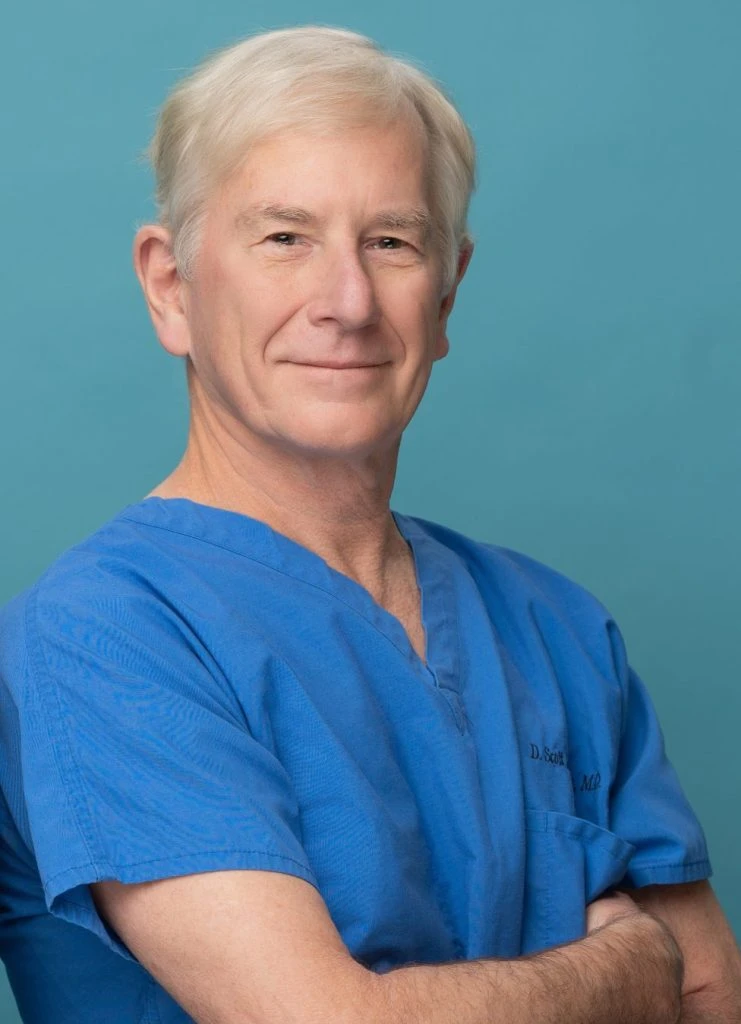
Dr. Daniel Scott Karempelis
Dermatologist
Dermatology · Atlanta, Georgia, GA
View Profile
Dr. Bertha Baum
Board-Certified Dermatologist
Dermatology · Aventura, FL
View Profile
Dr. Victoria Cirillo-Hyland
Dermatologist
Dermatology · Bryn Mawr, PA
View ProfileAre you a Dermatology physician?
Join Haute MD Network and have your profile featured alongside these answers.
Apply for the NetworkRelated Guides
Guide · DERMATOLOGY
What Is Fraxel Laser?
Fraxel is a fractional laser that resurfaces skin to treat acne scars, sun damage, fine lines, and tone irregularities. Learn about Fraxel and what to expect.
Read GuideGuide · DERMATOLOGY
What Is Morpheus8?
Morpheus8 is a radiofrequency microneedling device that tightens skin and remodels fat. Learn how it works, results, and what to expect.
Read GuideGuide · DERMATOLOGY
What Is a Chemical Peel?
Chemical peels use acids to exfoliate the skin and improve tone, texture, acne, and pigmentation. Learn the types, depths, and what to expect.
Read Guide