botox
Botox & Neurotoxins: Complete Guide
Last reviewed: May 2026 · Haute MD Editorial Team
Botulinum toxin — marketed as Botox, Dysport, Xeomin, and Jeuveau — is the most commonly performed cosmetic procedure in the United States, with over 9 million treatments annually. All four products share the same mechanism — they temporarily block nerve signals to targeted muscles, preventing contraction and reducing the dynamic wrinkles caused by repeated facial expressions. Results last 3-4 months. The difference between a natural, refreshed result and a frozen or distorted one lies entirely in the injector's skill, dosing philosophy, and anatomical knowledge — not the product itself.
How botulinum toxin works
Botulinum toxin is a purified protein that prevents the release of acetylcholine at the neuromuscular junction — the chemical signal that tells a muscle to contract. When injected into a targeted facial muscle, that muscle temporarily relaxes, smoothing the overlying skin. The effect is not permanent — acetylcholine receptor regeneration restores muscle function over 3-4 months. Dynamic wrinkles (caused by expression) respond well; static wrinkles (present at rest) require fillers or resurfacing in addition to neurotoxin.
What separates natural results from frozen ones
The frozen, expressionless appearance associated with bad Botox results from over-dosing, poor placement, or injecting too many muscle groups simultaneously. Natural results preserve expressive movement in non-targeted muscles while softening the specific lines of concern. Key principles of natural injection — conservative dosing (especially on first treatment); preserving frontalis movement to maintain brow expressivity; avoiding total obliteration of periorbital expression; understanding how individual anatomy affects spread and effect. An experienced injector evaluates facial symmetry, muscle strength, and existing resting lines before placing any injection.
The full range of neurotoxin applications
FDA-approved cosmetic indications — forehead lines, glabellar (11) lines, crow's feet. Widely used off-label — brow lift (injecting the lateral brow depressor muscles to allow the frontalis to elevate the brow); bunny lines (scrunch lines on the nose bridge); gummy smile correction (relaxing the upper lip elevator); lip flip (small dose in orbicularis oris to evert the upper lip); chin dimpling (mentalis muscle); neck bands (platysmal bands); jawline slimming (masseter reduction); excessive sweating (hyperhidrosis — axilla, palms, scalp); chronic migraine (FDA-approved for 15+ migraine days per month); TMJ and bruxism (masseter injections).
Frequently Asked Questions
How do I know if my injector is experienced?
Review before-and-after photos from their actual patients — not stock images. Look for natural expression preservation, symmetrical results, and improvement without the frozen look. Ask how many neurotoxin treatments they perform per month — injectors doing 50+ monthly treatments develop calibrated muscle intuition that less frequent injectors lack. Board-certified dermatologists and plastic surgeons with dedicated aesthetic practices are the highest-credential standard.
Can I build a tolerance to Botox?
True immunological resistance (neutralizing antibody formation) is very rare — estimated at under 1% of cosmetic users. More commonly, perceived "wearing off faster" reflects under-dosing, increased muscle activity with regular exercise, or metabolic differences. If you feel results are shortening over time, discuss unit count with your injector before assuming resistance.
What should I avoid after neurotoxin injections?
For the first 4 hours — avoid lying flat, vigorous exercise, and rubbing the treated areas. Pressure on injection sites can theoretically migrate toxin. For the first 24 hours — avoid intense heat (saunas, hot yoga), alcohol (increases bruising risk), and strenuous exercise. These precautions are most important in the first few hours; their significance diminishes significantly after 24 hours.
Is there a "right" age to start Botox?
There is no universally correct starting age. Preventive Botox (starting before static lines form) in the late 20s to early 30s has become increasingly popular and is supported by the principle that preventing repeated muscle contraction delays permanent crease formation. Starting earlier means more total treatments over a lifetime. Starting later addresses established lines rather than preventing them. The decision is individual — driven by the presence of dynamic lines, patient preference, and realistic expectations.
Get Help Now
Speak with a Haute MD Dermatology physician
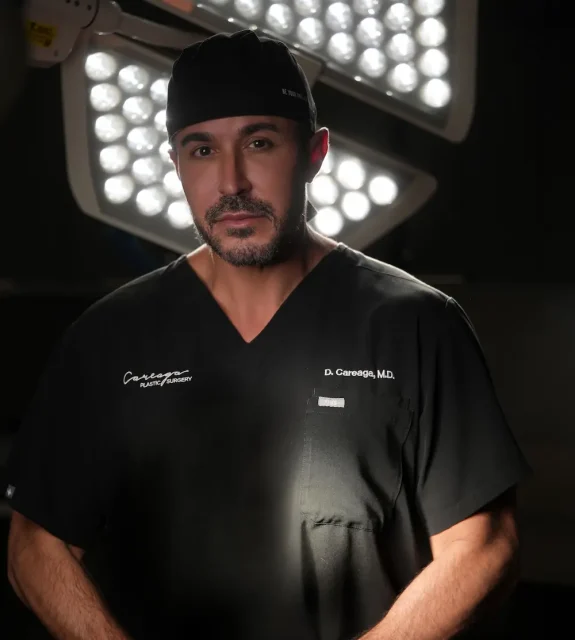
Dr. Daniel Careaga
Double Board-Certified Plastic Surgeon
Dermatology · Coral Gables, FL
View Profile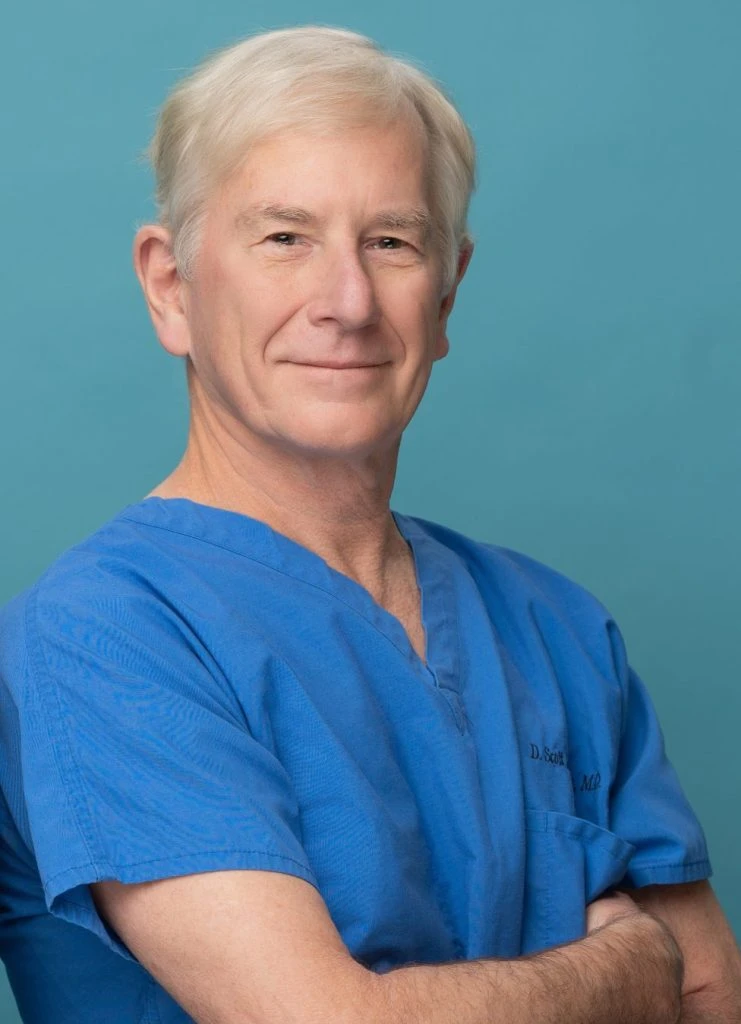
Dr. Daniel Scott Karempelis
Dermatologist
Dermatology · Atlanta, Georgia, GA
View Profile
Dr. Bertha Baum
Board-Certified Dermatologist
Dermatology · Aventura, FL
View ProfileAre you a Dermatology physician?
Join Haute MD Network and have your profile featured alongside these answers.
Apply for the NetworkRelated Guides
Guide · BOTOX
Botox vs. Dysport vs. Xeomin vs. Jeuveau: What's the Difference?
All four neurotoxins work the same way but differ in dosing, onset, and spread. Learn the practical differences and whether it matters which one you get.
Read GuideGuide · BOTOX
Preventive Botox: Should You Start in Your 20s?
Preventive Botox in your 20s-30s may delay the formation of permanent wrinkles. Learn the evidence, what age to start, and how to approach it conservatively.
Read GuideGuide · BOTOX
Masseter Botox for Jaw Slimming: How It Works and Results
Botox injected into the masseter muscle slims the lower face and relieves jaw clenching. Learn how it works, how many units are needed, and how long results last.
Read Guide