Longevity Medicine
What Is Transcranial Photobiomodulation?
Last reviewed: May 2026 · Haute MD Editorial Team
Transcranial photobiomodulation (tPBM) is the application of near-infrared light (typically 800-1100 nm) through the scalp and skull to underlying brain tissue to stimulate mitochondrial function, increase cerebral blood flow, and modulate neuroplasticity. It is an emerging intervention with promising but early evidence in MCI, traumatic brain injury, depression, and cognitive enhancement.
How tPBM works
Near-infrared light at specific wavelengths penetrates the scalp and skull (with rapidly diminishing intensity) and is absorbed by cytochrome c oxidase in mitochondria. This stimulates ATP production, briefly elevates reactive oxygen species (with adaptive signaling effects), increases nitric oxide release (improving local blood flow), and activates downstream pathways supporting BDNF, synaptogenesis, and neuroinflammation reduction. Devices range from full-head helmets with hundreds of LED arrays to handheld units, with varying wavelength, fluence (energy density), and treatment duration. Sessions typically range 6-25 minutes, several times per week.
Evidence base and applications
Evidence is most developed for traumatic brain injury — multiple small trials show improvements in cognitive function, mood, and quality of life. For mild-to-moderate Alzheimer's and MCI, small studies suggest improvement in cognitive testing and quality of life, though larger randomized trials are limited. Depression studies (using transcranial near-infrared) show effects comparable to some pharmacologic interventions in some trials. Stroke recovery, Parkinson's disease, and post-COVID cognitive symptoms are areas of active research. The mechanistic plausibility is strong; clinical evidence is consistent but the field is still maturing, with significant heterogeneity in protocols, devices, and outcomes.
Practical considerations
(1) tPBM is not FDA-approved as a treatment for cognitive decline; some devices are FDA-cleared for muscle pain or general wellness use; (2) Adverse effects are uncommon and mild — transient headache or scalp warmth most commonly; serious adverse events are rare; (3) Device quality and protocol vary enormously — clinical research devices and clinic-based protocols differ substantially from inexpensive consumer devices; (4) Combine with established interventions (exercise, cardiovascular risk reduction, sleep, diet, treating MCI causes) rather than as a substitute; (5) Reasonable to consider in early Alzheimer's, post-TBI, or treatment-resistant depression as an adjunct under physician supervision; (6) Expect rapid evolution — ongoing larger trials should clarify efficacy and optimal protocols over the next several years. Patients should set realistic expectations: effect sizes in published studies are typically modest, and the intervention is supplemental rather than transformative.
Frequently Asked Questions
Is tPBM FDA-approved?
Several photobiomodulation devices are FDA-cleared for muscle pain or general wellness, but none are FDA-approved as treatment for cognitive decline, MCI, or Alzheimer's. Use for cognitive indications is off-label or research-based.
Are home tPBM devices effective?
Quality varies widely. Some consumer helmets approximate clinical research protocols; many produce insufficient irradiance to reach brain tissue effectively. If considering, choose devices with published research using similar specifications and use under physician guidance.
How often are tPBM sessions?
Protocols vary substantially — typically 3-5 sessions per week of 6-25 minutes for an initial 4-12 week course, then variable maintenance. Optimal protocol is not yet established.
Is tPBM safe?
Generally yes for properly designed devices. Mild scalp warmth or transient headache are most common. Avoid in pregnancy, over active malignancy, in seizure disorders without physician supervision, and avoid direct eye exposure. Long-term safety data is reassuring but limited.
Get Help Now
Speak with a Haute MD Longevity Medicine physician
Dr. George Kaltner
CEO
Longevity Medicine · Miami Beach, FL
View Profile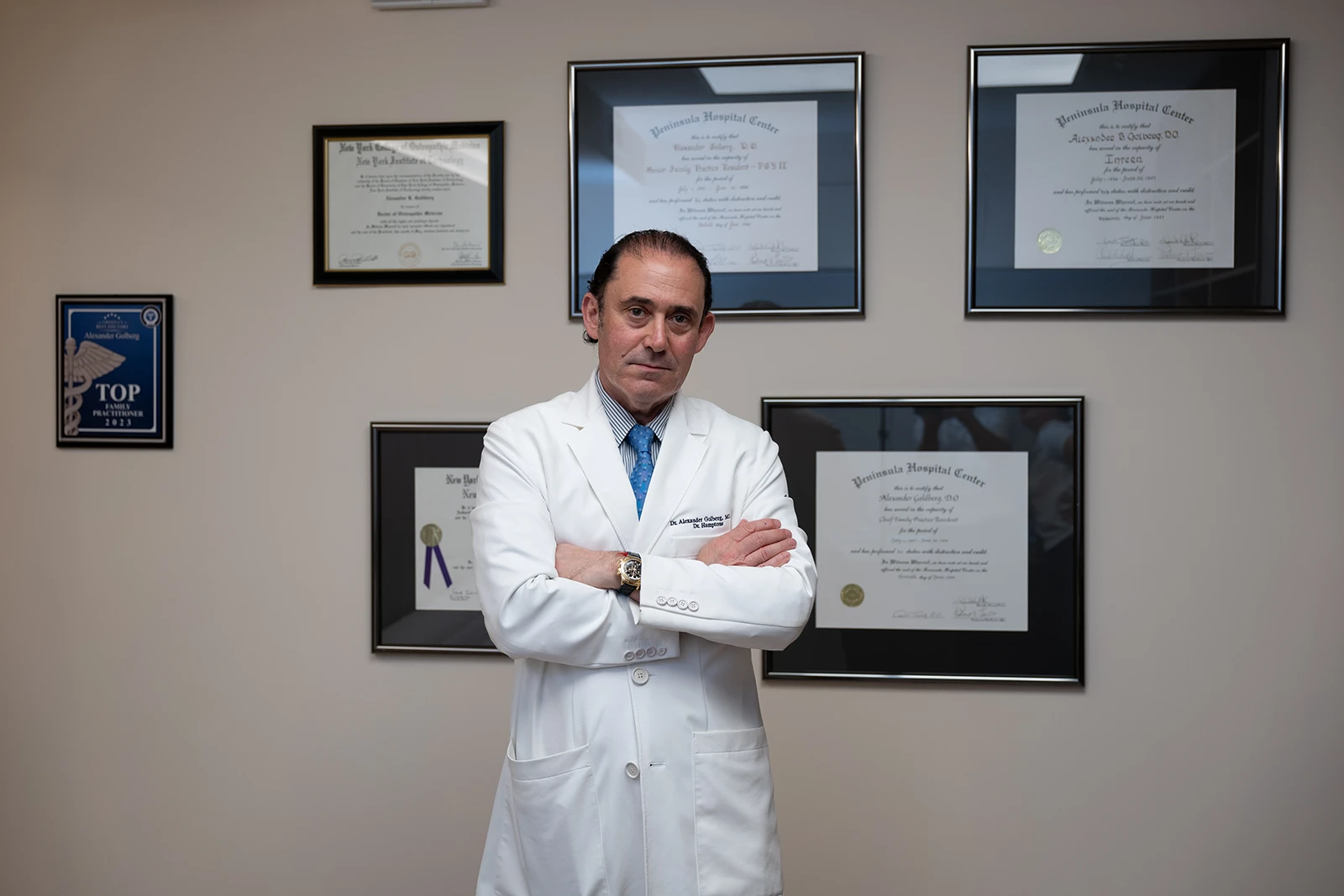
Dr. Alexander Golberg
Longevity Medicine · New York, NY
View Profile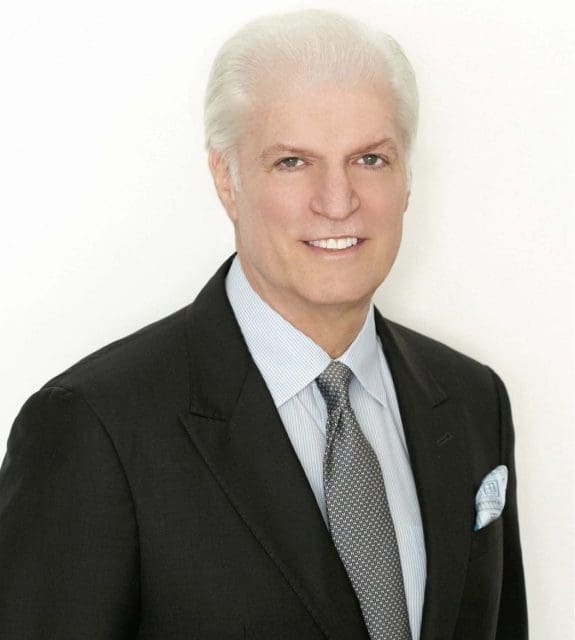
Dr. Steven Victor
Regenerative Medicine Specialist
Longevity Medicine · New York, NY
View ProfileAre you a Longevity Medicine physician?
Join Haute MD Network and have your profile featured alongside these answers.
Apply for the NetworkRelated Guides
Guide · LONGEVITY MEDICINE
What Is Neuroplasticity?
Neuroplasticity is the brain's lifelong capacity to reorganize and form new connections — the biological basis of learning, recovery, and cognitive longevity.
Read GuideGuide · LONGEVITY MEDICINE
What Is Alzheimer's Prevention?
Alzheimer's prevention targets modifiable risk factors — cardiovascular health, sleep, exercise, hearing — that account for ~40% of dementia risk.
Read GuideGuide · LONGEVITY MEDICINE
What Is MCI (Mild Cognitive Impairment)?
Mild cognitive impairment (MCI) is measurable cognitive decline beyond normal aging without functional disability — a key window for intervention.
Read Guide