Longevity Medicine
What Is Preventive Oncology?
Last reviewed: May 2026 · Haute MD Editorial Team
Preventive oncology is the proactive use of risk stratification, advanced screening, and evidence-based lifestyle interventions to detect cancer at its earliest, most curable stages — or prevent it from developing at all. It moves beyond age-based population screening toward individualized risk assessment using genetics, biomarkers, and imaging. It is one of the fastest-evolving areas of longevity medicine.
What preventive oncology covers
A modern preventive oncology workup typically includes: detailed personal and family cancer history, germline genetic testing for hereditary cancer syndromes (BRCA1/2, Lynch, PALB2, ATM, CHEK2, TP53, and others), age- and risk-appropriate screening (colonoscopy, mammography, low-dose CT for lung cancer in smokers, dermatologic exam, PSA discussion), and increasingly, advanced modalities such as multi-cancer early detection (MCED) blood tests, whole-body MRI, and liquid biopsy. Lifestyle counseling addresses tobacco, alcohol, body composition, physical activity, ultraviolet exposure, sleep, and dietary patterns — all modifiable contributors to cancer incidence. Vaccinations against oncogenic infections (HPV, hepatitis B) are part of comprehensive prevention.
Why this matters for longevity
Cancer is now the leading cause of death in middle-aged adults in many developed countries, and the lifetime probability of a cancer diagnosis is approximately 40%. Most cancers are far more curable when detected early — five-year survival for stage I disease typically exceeds 90% for the major solid tumors, while stage IV survival is often under 30%. A meaningful fraction of incident cancers (estimates range from 30-50%) are attributable to modifiable factors. Individualized risk-based screening and aggressive lifestyle modification together represent one of the largest available longevity gains for adults in their 40s through 70s, particularly those with family history or known germline pathogenic variants.
How to approach preventive oncology
(1) Construct a detailed three-generation family cancer pedigree — many actionable risks are missed without it; (2) Consider germline genetic testing if family or personal history suggests hereditary risk; (3) Follow guideline-based screening at minimum — colonoscopy at 45, mammography per individualized risk, low-dose CT annually for eligible smokers, regular skin checks; (4) Discuss adjunctive modalities (MCED tests like Galleri, whole-body MRI, advanced prostate MRI) with a physician — these are not yet standard of care, have meaningful false-positive rates, and should be used with informed decision-making; (5) Address lifestyle aggressively — eliminate tobacco, limit alcohol to ≤7 drinks/week or less, maintain healthy body composition, exercise regularly, use sun protection, and ensure HPV vaccination through age 45 if not previously vaccinated; (6) Maintain longitudinal continuity — preventive oncology is most effective as a multi-decade program, not a one-time evaluation.
Frequently Asked Questions
Is preventive oncology the same as routine cancer screening?
It includes routine screening but extends further — incorporating individualized risk assessment, germline genetics, advanced imaging, and emerging blood-based detection. The goal is to stratify risk and tailor surveillance rather than apply uniform age-based guidelines.
Who should consider germline genetic testing?
Anyone with a personal history of early-onset cancer, multiple primary cancers, certain rare cancer types, Ashkenazi Jewish ancestry, or first/second-degree relatives with hereditary cancer syndromes. Many practices now offer broader testing given declining cost and meaningful actionable findings even in unselected populations.
Are whole-body MRI scans worth it?
They detect some early cancers but also generate frequent incidental findings requiring follow-up, with associated cost, anxiety, and downstream testing. They are increasingly used in longevity practices but are not standard of care and should be discussed with a physician who can interpret findings in context.
What's the highest-yield preventive oncology intervention?
For most adults: tobacco cessation, maintaining healthy body composition, limiting alcohol, age-appropriate colonoscopy, and HPV vaccination. These have larger absolute risk reductions than any advanced test.
Get Help Now
Speak with a Haute MD Longevity Medicine physician

Dr. George Kaltner
CEO
Longevity Medicine · Miami Beach, FL
View Profile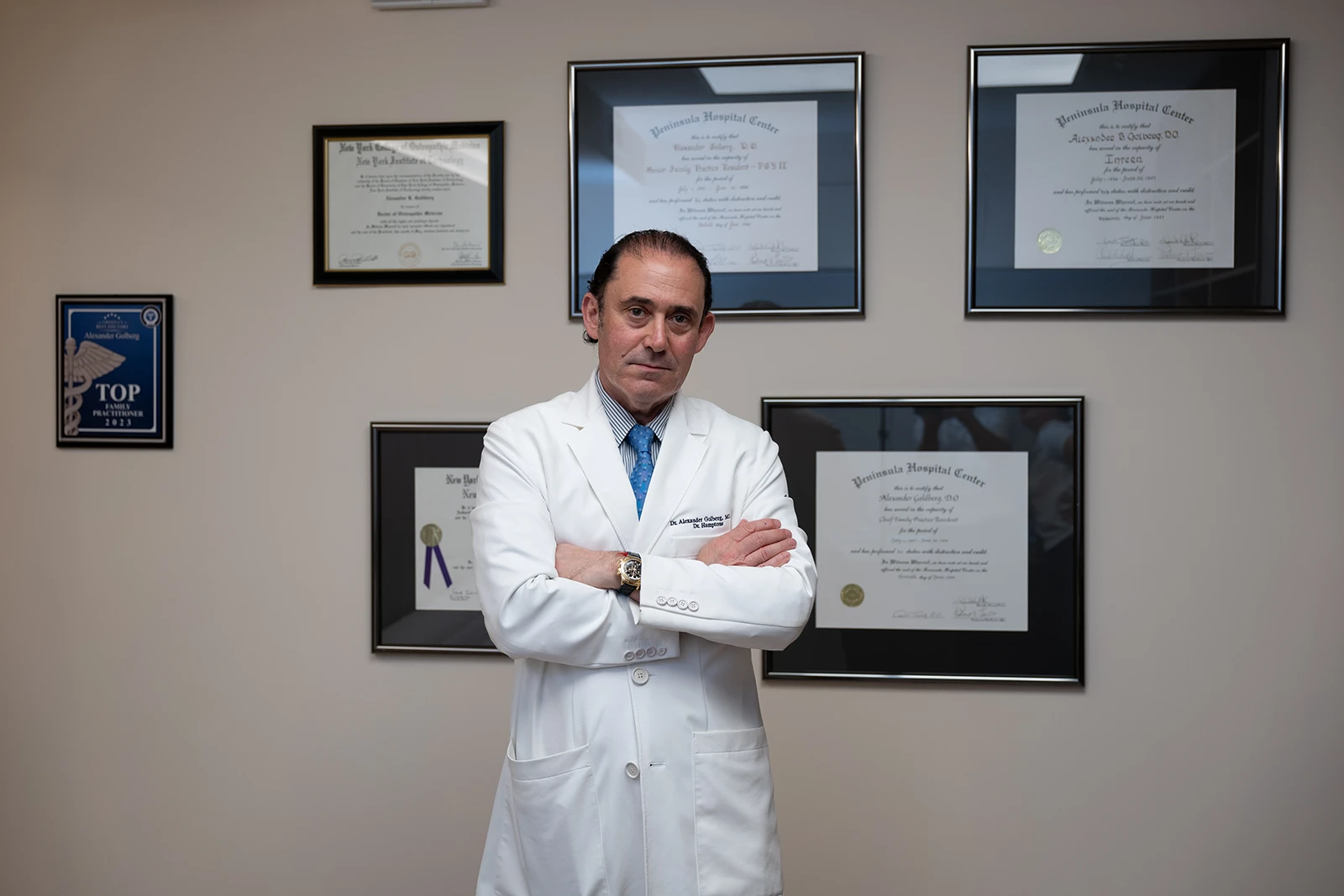
Dr. Alexander Golberg
Longevity Medicine · New York, NY
View Profile
Dr. Steven Victor
Regenerative Medicine Specialist
Longevity Medicine · New York, NY
View ProfileAre you a Longevity Medicine physician?
Join Haute MD Network and have your profile featured alongside these answers.
Apply for the NetworkRelated Guides
Guide · LONGEVITY MEDICINE
What Is Liquid Biopsy?
Liquid biopsy is a blood test that detects circulating tumor DNA and other cancer-derived material to enable earlier detection and monitoring.
Read GuideGuide · LONGEVITY MEDICINE
What Is Multi-Cancer Early Detection?
Multi-cancer early detection (MCED) tests screen for dozens of cancers from a single blood sample using DNA methylation signatures.
Read GuideGuide · LONGEVITY MEDICINE
What Is Genetic Cancer Risk Testing?
Germline genetic testing identifies inherited cancer risk mutations like BRCA, Lynch, and others — enabling personalized prevention and screening.
Read Guide