Longevity Medicine
What Is Cognitive Reserve?
Last reviewed: May 2026 · Haute MD Editorial Team
Cognitive reserve is the brain's capacity to tolerate neurological pathology — such as accumulating Alzheimer's plaques or vascular damage — without manifesting clinical symptoms. People with higher reserve can have the same amount of underlying brain pathology as others yet maintain normal function. It is built across the lifespan through education, occupation complexity, and continued cognitive engagement.
How cognitive reserve works
Cognitive reserve has two components: brain reserve (structural — larger brain volume, higher neuronal count, denser synaptic connections) and cognitive reserve (functional — efficient use of existing networks and ability to recruit alternative networks when primary ones fail). Imaging and autopsy studies repeatedly show that some individuals with substantial Alzheimer's pathology (amyloid plaques, neurofibrillary tangles) at autopsy were cognitively normal in life. The difference is largely attributable to reserve. The Nun Study famously documented some sisters with advanced Alzheimer's pathology who showed minimal symptoms in life — these women uniformly had higher early-life linguistic complexity and continued cognitive engagement. Reserve does not prevent pathology; it delays the threshold at which pathology produces symptoms.
What builds reserve
Early-life and lifelong contributors: (1) Formal education — each additional year is associated with measurable reserve benefit; (2) Occupational complexity — work involving high cognitive demand, problem-solving, and human interaction; (3) Continued cognitive engagement in later life — reading, learning new skills, complex hobbies; (4) Social engagement — large, active social networks are independently protective; (5) Physical exercise — supports both brain reserve (volume) and cognitive reserve (network efficiency); (6) Bilingualism — bilinguals develop dementia symptoms an average of 4-5 years later than monolinguals with similar pathology; (7) Musical training, particularly continued throughout life; (8) Mediterranean-style diet and adequate sleep support the substrate. The combination is more powerful than any single factor; the FINGER trial (multidomain lifestyle intervention) demonstrated cognitive benefit in at-risk older adults across multiple domains.
How to build reserve at any age
(1) Pursue formal education if accessible — though earlier is more impactful, later education still contributes; (2) Engage in occupational or volunteer work with cognitive complexity; (3) Continuously learn — language, instrument, complex skill — particularly things that are genuinely difficult; (4) Maintain rich social engagement and meaningful relationships; (5) Read regularly, particularly demanding material; (6) Exercise consistently — aerobic and resistance; (7) Treat hearing loss promptly — unaddressed hearing loss reduces cognitive engagement; (8) Treat depression — depression suppresses engagement and damages substrate; (9) Maintain Mediterranean-pattern diet and adequate sleep; (10) Combine with aggressive cardiovascular risk reduction. Reserve is not a one-time achievement; it is the cumulative product of lifelong engagement. Even older adults with already-substantial pathology can extend symptom-free time by continued investment.
Frequently Asked Questions
Can I build cognitive reserve in my 60s?
Yes. While early-life factors (education, occupational complexity) are most impactful, late-life engagement — learning, social connection, exercise, novel cognitive challenge — continues to contribute. Reserve-building is not closed at any age.
Does bilingualism really delay dementia?
Multiple studies show bilingual individuals develop clinical dementia symptoms 4-5 years later than monolinguals with similar pathology. The mechanism is thought to involve constant executive function demand from language switching. Learning a second language in adulthood likely contributes some benefit, though less than lifelong bilingualism.
Are brain training apps useful for reserve?
Modestly. They improve performance on their specific tasks; transfer to general cognition is limited. Learning genuinely new skills (instrument, language, complex craft) provokes more reserve-building than commercial brain games.
Does education in childhood matter more than later learning?
Early education has the largest single contribution to lifetime reserve — the brain is most plastic. However, continuous engagement throughout life is required to maintain and build reserve. People who stop engaging cognitively in retirement lose reserve faster than those who continue.
Get Help Now
Speak with a Haute MD Longevity Medicine physician
Dr. George Kaltner
CEO
Longevity Medicine · Miami Beach, FL
View Profile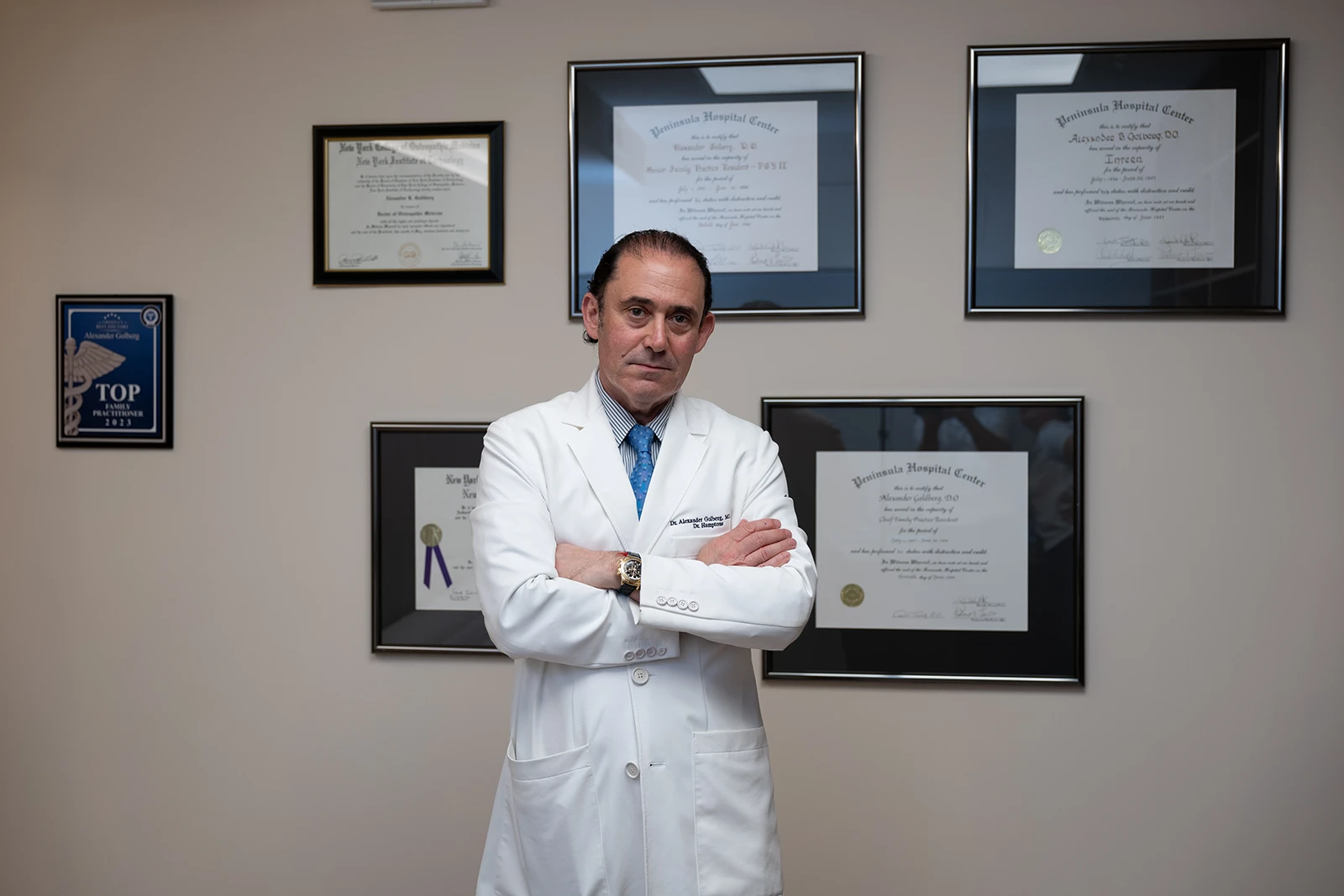
Dr. Alexander Golberg
Longevity Medicine · New York, NY
View Profile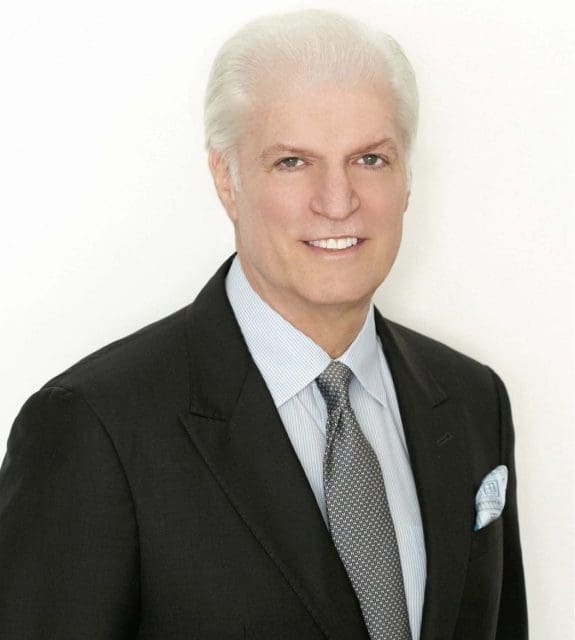
Dr. Steven Victor
Regenerative Medicine Specialist
Longevity Medicine · New York, NY
View ProfileAre you a Longevity Medicine physician?
Join Haute MD Network and have your profile featured alongside these answers.
Apply for the NetworkRelated Guides
Guide · LONGEVITY MEDICINE
What Is Neuroplasticity?
Neuroplasticity is the brain's lifelong capacity to reorganize and form new connections — the biological basis of learning, recovery, and cognitive longevity.
Read GuideGuide · LONGEVITY MEDICINE
What Is Alzheimer's Prevention?
Alzheimer's prevention targets modifiable risk factors — cardiovascular health, sleep, exercise, hearing — that account for ~40% of dementia risk.
Read GuideGuide · LONGEVITY MEDICINE
What Is the APOE Gene?
APOE genotype is the strongest common genetic risk factor for Alzheimer's disease. Learn what e4, e3, and e2 alleles mean for cognitive longevity.
Read Guide