



Concierge medical care feels more like a private club membership than a typical doctor’s office. For an annual fee, members unlock same-day visits, 24/7 direct messaging, and bespoke preventive plans designed around their unique health profile.
How Concierge Medical Care Works
Picture your physician offering you a health retainer—a subscription that guarantees attention, not waiting rooms.
That arrangement lets doctors cap their patient panels, freeing up time for deeper conversations and thorough checkups.
- Same-Day or Next-Day Appointments ensure you’re seen when you need to be.
- Direct Messaging gives you instant access for quick questions or follow-up.
- Personalized Health Reviews shift the focus to proactive screenings, not emergency fixes.
This approach first took root in the U.S. during the early 2000s, born out of frustration with rushed, 10-minute visits and multi-week waits. For a detailed look at how this model is reshaping care, dive into the 2025 U.S. concierge medicine market report.
Quick Insight: Concierge practices often bill insurance for procedures, while the retainer covers enhanced access and time with your physician.
Below is a screenshot outlining core features from a reputable source.

The image illustrates how retainer medicine neatly bundles services, fees, and access levels in one glance.
Key Features Of Concierge Medical Care
Below is a quick comparison of concierge medicine versus traditional primary care:
| Feature | Concierge Care | Traditional Care |
|---|---|---|
| Appointment Wait Time | Same-day or next-day | Often 2+ weeks |
| Patient Panel Size | 400–600 patients | 2,000+ patients |
| Access Channels | Phone, text, video, in-person | In-person only, limited hours |
| Preventive Focus | Ongoing planning, proactive screenings | Standard annual checkups |
From scheduling to screening, concierge care realigns incentives—doctors spend time preventing issues rather than racing to treat them.
Benefits At A Glance
- Prioritized Scheduling reduces uncertainty and stress.
- Deeper Doctor Relationships support holistic, long-term health.
- 24/7 Messaging & Telehealth offer peace of mind whenever a concern arises.
Patients typically invest between $1,500 and $5,000 per year for this level of access, depending on location and practice size.
Haute MD connects you with a nationwide network of vetted concierge physicians, ensuring you receive expert care on your schedule.
Understanding The Key Concepts
Picture your typical primary-care visit like grabbing a quick burger at a drive-thru—efficient but rarely memorable. Concierge medicine turns that on its head. Think of it as a chef’s tasting menu: every course, every detail, receives thoughtful attention.
Concierge doctors limit their patient panels and charge a flat subscription fee, freeing them from the red tape of insurance billing. This setup unlocks time for deeper conversations, preventive strategies, and truly personalized care.
Key Principles
- Limited Patient Panel: More time per visit and fewer back-to-back appointments.
- Subscription Fee Model: You pay for access and availability, not per test or procedure.
- Person-Centered Planning: Health goals designed to evolve over months and years.
Subscription Model Advantages
Subscription fees give physicians the freedom to invest in proactive measures. Rather than squeezing in a 10-minute check-up, you can book 30–60 minute appointments for lifestyle counseling or advanced screening.
Patients also enjoy direct messaging, same-day or next-day scheduling, and longer annual exams that go beyond basic vitals.
“Concierge care turns a healthcare transaction into a true partnership,” says a seasoned internist.
After clinics struggled under the weight of pandemic demand, concierge practices leaned into digital tools—without sacrificing that face-to-face connection.
Technology Driving Scale
Telemedicine platforms, AI-powered scheduling, and wearable integrations make personalized care scalable. These tools:
- Streamline appointment bookings and reminders
- Triage incoming messages for faster responses
- Feed real-time health data—like blood pressure and glucose—into care plans
The concierge medicine market reached USD 13.2 billion in 2024 and is forecast to climb to USD 22.5 billion by 2030 at a 9.1% CAGR. For more details, see this concierge medicine market growth report.
Real-World Example
- A New York clinic launched in 2022 when hospitals were overwhelmed.
- Remote monitors track members’ blood pressure and glucose daily.
- The care team sends monthly trend reports, catching red flags well before symptoms arise.
Practice Spotlight
| Tool | Benefit |
|---|---|
| AI Scheduling | Cuts booking time by 50% |
| Telehealth Visits | Delivers flexible follow-ups |
| Wearable Data Inputs | Enables early risk detection |
This hybrid approach marries in-clinic depth with digital convenience, appealing to patients around the globe.
Bridging Digital And In-Person Care
Concierge care seamlessly blends video check-ins with hands-on visits—like cooking most meals at home and once in a while hosting a chef’s tasting.
- Remote monitors send daily vitals to your physician’s dashboard.
- Quick questions are handled over video visits, no commute required.
- In-office appointments focus on complex exams and procedures.
By weaving technology into every step, concierge practices keep patients engaged and reserve in-person time for what truly matters.
Next, we’ll explore how membership fees translate into services, typical cost ranges, and the critical questions to ask when choosing a concierge provider. Join us.
Comparing Different Concierge Models
Concierge medical care isn’t one-size-fits-all—it stretches from simple membership plans to white-glove executive experiences. Each model caters to different priorities, budgets, and lifestyles.
At a glance, concierge medicine breaks down into three categories:
- Membership/Retainer plans focused on deep doctor–patient relationships
- Hybrid practices that blend retainer services with insurance billing
- Executive Health suites offering in-depth diagnostics and VIP perks
Membership Retainer Practices
Membership clinics typically cap their panel at 400–600 patients per physician. By limiting volume, doctors carve out 45–60 minute appointments, detailed health reviews, and real conversations.
For instance, one family-oriented practice hosts quarterly group seminars on stress management and extends annual exams to cover lifestyle coaching. Members enjoy:
- Annual Fee: $1,500–$3,000 for adults; $750 for children
- Access: Same-day or next-day visits, plus secure 24/7 messaging
- Extras: Personalized health coaching, nutrition planning, and preventive screenings
Think of it as a private wellness circle—your doctor knows your history, tracks your progress, and cheers your milestones.
Hybrid Concierge Practices
A hybrid practice merges retainer members with traditional insurance patients—usually 600–900 people total. This approach balances steady revenue from membership fees with insurance reimbursements.
“By blending premium access with traditional billing, clinics can offer extra services without losing financial footing,” says a veteran primary care director.
Here’s how it works:
- Retainer members get perks like telehealth visits and weekend clinics
- Insurance-based patients schedule routine care under their existing plans
- Many clinics ask for a 6–12 month commitment to join the retainer side
Imagine a bakery that sells artisanal sourdough to subscribers while keeping classic loaves on its shelves for walk-in customers.
Before we explore executive suites, let’s see these models side by side.
Comparison Of Concierge Practice Models
| Model | Annual Fee Range | Key Services | Ideal Patient |
|---|---|---|---|
| Membership/Retainer | $1,500–$3,000 | Same-day visits, small panels | Families, individuals seeking group workshops |
| Hybrid | $2,000–$5,000 | Telehealth, weekend clinics | Those wanting an insurance mix with faster access |
| Executive Health | $5,000–$15,000+ | On-site labs, full-day diagnostics | Busy executives, professionals with demanding schedules |
This snapshot highlights how fees, core services, and target patients shift from community-focused care to all-inclusive executive offerings.
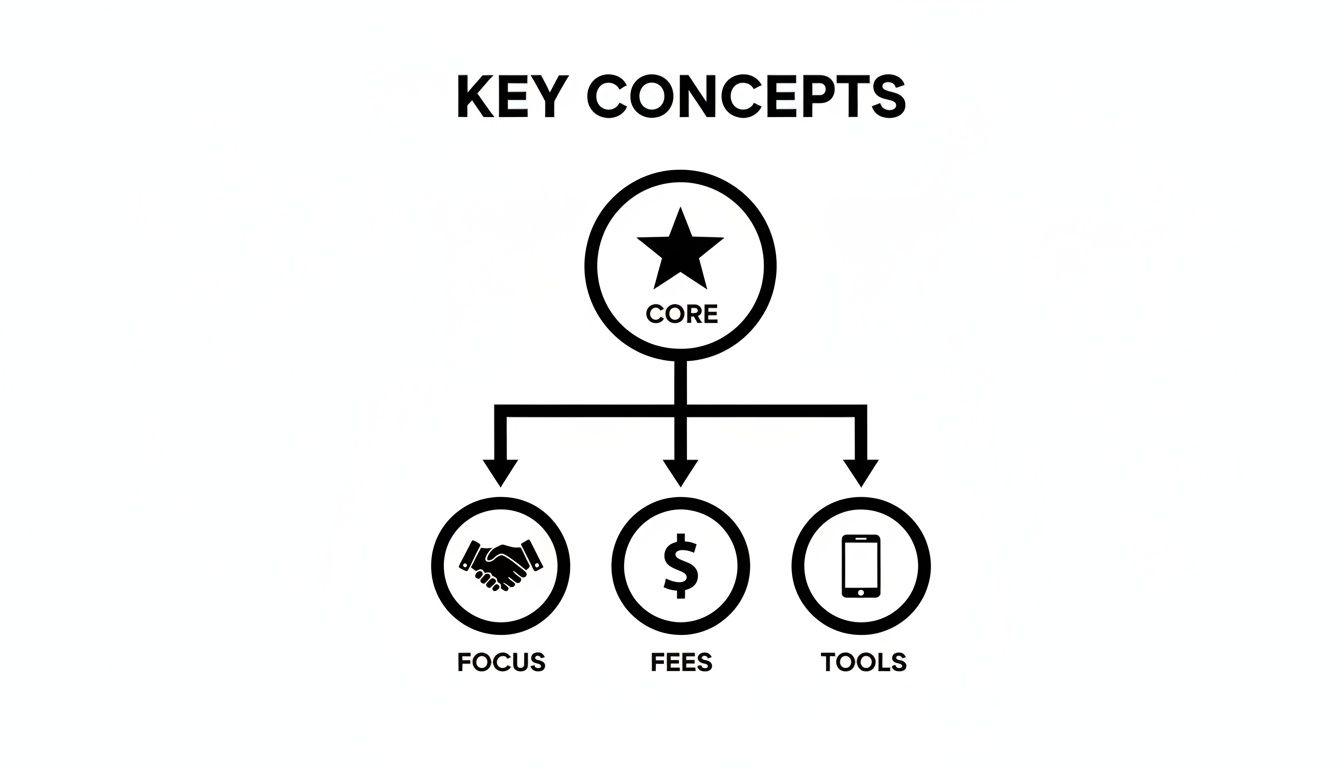
Executive Health Suites
Executive suites feel more like health retreats than standard clinics. Annual fees often range from $5,000 to $15,000+, covering comprehensive diagnostics in a single visit.
Members typically receive:
- Full-day physicals with on-site ECGs, stress tests, and advanced imaging
- A dedicated case manager to coordinate specialist referrals and follow-ups
- VIP perks such as wellness retreats and travel health support
Picture stepping into a private health oasis where every test runs on your schedule.
Matching Model To Lifestyle
Your daily routine and health goals should guide your choice:
- Budget Check: Ensure the annual fee fits comfortably within your finances
- Access Priority: Decide if you need same-day availability or longer exam times
- Specialty Needs: Look for services that address any chronic or preventive care requirements
Busy parents may gravitate toward membership plans with group events. High-powered executives often prefer the rapid, in-depth diagnostics of executive suites. And if you want the best of both worlds—insurance billing plus premium access—the hybrid model can hit the sweet spot.
Ready to dive deeper? Learn more about the differences between direct primary care and concierge medicine in our detailed guide.
Use Haute MD’s filters to compare plans by fee, services, and location today.
Core Services And Typical Cost Ranges
Concierge medicine feels less like a traditional doctor’s office and more like a private health club dedicated to your well-being. For an annual fee, you trade crowded waiting rooms for focused, unhurried visits—and a proactive approach that centers on prevention rather than reaction.
- Comprehensive Exams that dive deeper than your typical physical, including advanced screenings tailored to your risk profile.
- Customized Wellness Planning featuring one-on-one nutrition and fitness coaching aligned with your personal goals.
- Rapid Appointment Booking with same-day or next-day availability to eliminate scheduling stress.
- Telehealth Sessions for quick check-ins, prescription refills, or follow-up conversations.
- On-Site Testing like blood panels, ECGs, and basic imaging—all under one roof and without extra referrals.

Service Details
Most concierge practices offer three pricing tiers, each reflecting how deep the service goes and how many members share the doctor’s time.
Entry-level plans start around $1,500 per year, covering essential exams and preventive screenings.
Mid-range memberships priced between $2,500 and $3,500 layer on extras such as personalized fitness check-ins or a series of nutrition modules.
Full-service options exceeding $5,000+ unlock on-site labs, advanced imaging, quarterly lab panels, and dedicated case management.
Fact One hallmark of concierge medical care is its retainer-based structure, where patients fork over USD 1,500 to USD 5,000+ annually for VIP perks, decoupling revenue from insurance hassles and letting docs focus on wellness over volume. This model grabbed 42.4% of the market share in 2025. Learn more about these findings: concierge medicine market report
Several factors can sway the final price:
- Smaller patient panels mean doctors can spend more one-on-one time, which usually drives fees higher.
- Urban practices often charge more to cover higher rent and staffing costs.
- Rural or satellite clinics may offer slightly reduced rates.
- Add-ons like direct lab access, personalized supplements, or in-house fitness trainers push costs upward.
Case Study Comparison
Imagine two professionals in the same city weighing their options.
Patient A picks a $1,500 plan. They get four streamlined annual visits plus on-demand telehealth check-ins.
Patient B goes for a $5,000+ package. That includes eight in-office exams, quarterly lab panels, on-site imaging, and tailored nutrition coaching.
Key takeaways:
- Basic tiers keep costs lower but limit visit frequency and testing.
- Higher tiers offer deeper oversight—more tests, coaching sessions, and quicker feedback loops.
- Matching your membership to your health objectives is the fastest way to optimize both wellness outcomes and cost-effectiveness.
Haute MD streamlines this entire process. You can filter practices by fee range, service menu, and location. Then compare tiers side by side, read verified member reviews, and connect directly with the physician who fits your lifestyle.
How Fees Translate To Value
Your annual investment covers more than just face time with a doctor. It funds dedicated staff, advanced technology, and partnerships with labs and imaging centers—so results arrive swiftly and follow-up care begins immediately.
Choosing a higher tier means:
- Longer appointment slots for deep dives into your health history.
- Expanded testing panels to catch issues before they escalate.
- Proactive check-ins to keep you on track, not just when you’re sick.
Pick the plan that aligns with your budget and goals, and you’ll gain the clarity and confidence to stay healthy year-round.
Benefits And Limitations
Concierge medical care can feel like a fast pass at a busy theme park—no more long lines, but there’s a price to pay. You’ll enjoy rapid access, a strong focus on prevention, and a closer relationship with your physician. At the same time, membership fees and insurance quirks warrant a close look.
Key Benefits You Should Know
- Priority Scheduling: Same-day or next-day visits cut average wait times by up to 80% compared to traditional care.
- Preventive Health Focus: Regular screenings and tailored lifestyle planning often result in a 23% drop in emergency visits during Year 1.
- Personalized Attention: Smaller patient panels let doctors dive deep into chronic conditions like diabetes or hypertension.
In one story, a 55-year-old with high blood pressure saw medication adjustments halved after quarterly wellness check-ins. Another member sailed through the year with zero unplanned hospital stays. Those are the kinds of outcomes that build real peace of mind.
Measurable Outcomes From Concierge Care
Frequent touchpoints and data-driven reviews lead to faster diagnoses and more effective interventions. In a survey of 500 concierge members, 91% reported higher satisfaction levels.
- Reduced Hospitalizations: Preventable admissions fell by 30%.
- Higher Screening Rates: 45% more patients stayed current on cancer checks.
- Better Medication Adherence: 82% of members stuck with their prescribed regimens.
These figures show how proactive check-ins and customized plans drive real, measurable health gains.
Trade Offs And Considerations
No service is perfect. Before you sign up, weigh these factors:
- Annual Fees: Most plans range from $1,500 to $5,000 per person.
- Insurance Coverage: Labs and imaging still bill your insurer, but membership dues don’t count toward deductibles.
- Contract Terms: One-year minimums are common, and early cancellations often offer limited refunds.
- Program Eligibility: Some doctors opt out of Medicare and Medicaid—make sure you’re covered.
- Geographic Reach: Rural patients may rely on telehealth, but in-person labs can require 2+ hours of travel.
- Panel Size Variation: If a doctor takes on too many concierge members, that “fast pass” effect can slow down.
“Concierge models shine when access and in-depth care matter most, but cost and coverage trade-offs deserve honest attention.”
— Dr. Emily Cook, Internist
Choosing concierge care means balancing premium access against your budget and insurance needs. For a deeper look at all the upside, read our guide on the top benefits of concierge medicine. Ultimately, the right decision aligns your health goals with your financial plan.
How To Choose The Right Provider
Choosing a concierge doctor feels different from any other service. You want someone who keeps panels small so your appointments aren’t rushed. You also need a clear playbook for nights and weekends, rather than surprises when issues pop up.
Understanding how late-night calls are handled—voicemail versus direct line—sets the tone for a stress-free partnership. It pays to spell this out on day one.
Define Your Must-Have Criteria
Start by asking about:
• Patient panel size (smaller panels, often 400–600 patients, translate to longer visits)
• Typical appointment lengths (30–60 minutes versus standard 10–15)
• Services covered by the retainer and any add-on fees
• After-hours policies for urgent calls and weekend care
“A thorough vetting process ensures your doctor’s practice aligns with your lifestyle,” says Dr. Amina Patel, a concierge internist.
Next, dive into technology. Aim for intuitive, HIPAA-compliant messaging apps and telehealth portals. And check if wearable data or other remote monitoring tools plug smoothly into your plan.
Vet Credentials And Experience
A doctor’s certifications and track record reveal a lot. To dig deeper:
- Verify board certifications on your state medical board’s site.
- Request anonymized case studies or outcomes to see real-world results.
- Compare patient reviews on independent platforms for unbiased feedback.
Then, clarify network policies. Some doctors offer exclusive networks, while others work broadly. Ask about referral rules and specialist access.
Compare Costs And Insurance Fit
Concierge plans usually range from $1,500 to $5,000 per year. Beyond that, explore:
• Coordination with HSAs or FSAs
• Employer-sponsored benefit integration
• Billing process for labs, imaging, and specialist procedures
• Cancellation terms and any prorated refunds
Analyze Patient Feedback
Real stories highlight strengths and blind spots. Scan social media and forums for comments on response times, communication clarity, and the overall patient experience.
| Evaluation Aspect | What To Look For |
|---|---|
| Response Speed | Same-day or 24-hour messaging |
| Visit Quality | 30–60 minute appointments |
| Continuity Of Care | Consistent team or physician |
“Strong physician–patient bonds can improve chronic disease management by up to 25%,” notes a recent industry analysis.
Final Checklist Before Commitment
- Confirm panel size and average wait times.
- Clarify covered services versus extra charges.
- Verify HIPAA compliance and insurance coordination.
- Read verified patient reviews for firsthand insights.
Check out our guide on finding a concierge doctor near you in our article for additional tips and a searchable directory.
By following these steps, you’ll find a concierge physician who matches your health needs, schedule, and budget. Start with confidence, knowing you’ve set the foundation for a seamless care experience.
FAQ
How Does Concierge Care Differ From Direct Primary Care
Concierge care blends an annual retainer with your existing insurance for things like labs, imaging, and specialist referrals. You get premium access without giving up your traditional coverage.
Direct primary care, on the other hand, rolls nearly every service into one membership fee, sidestepping insurance billing almost entirely.
Can I Use My Insurance With Concierge Medicine
Absolutely. Most concierge practices bill your insurer for clinical services—think blood tests, X-rays, or specialist visits—while the membership fee unlocks perks like same-day appointments, secure messaging, and personalized wellness plans.
That means you retain your network benefits for higher-cost procedures and diagnostic work.
“You can often count retainer payments as eligible medical expenses—verify with your HSA or FSA provider.”
- You keep insurance coverage for costly tests.
- Retainer fees give you faster, direct communication.
- The model encourages proactive disease prevention.
Key Differences Table
| Feature | Concierge Care | Direct Primary Care |
|---|---|---|
| Insurance Billing | Retainer plus insurance | Membership covers most services |
| Access Speed | Same-day or next-day visits | Similar timelines, no billing |
| Fee Structure | $1,500–$5,000 yearly plus copays | $60–$150 monthly, no copays |
How Quickly Can I Schedule An Appointment
Members often book same-day or next-day visits. In a typical practice, you might wait two-weeks for your next opening. Faster access means quicker peace of mind and earlier treatment.
Are There Tax Or Legal Implications
Membership fees can qualify for HSA or FSA deductions, though rules vary by provider. State regulations around retainer models—and Medicare opt-out rules—can also influence eligibility. Always check with a tax professional to get the full picture.
Ready to explore what concierge medical care can do for you? Connect with top physicians at Haute MD via Haute MD.