



Embarking on a fertility journey is a significant step, filled with hope, questions, and a desire for clarity. Your first consultation with a reproductive endocrinologist is a pivotal moment to establish a partnership, understand your unique situation, and map out a path forward. However, the sheer volume of information can be overwhelming. Knowing what to ask is the key to transforming this appointment from a daunting medical discussion into an empowering planning session.
This comprehensive guide provides a curated checklist of the most critical questions to ask a fertility doctor. We’ve structured this resource to move beyond generic advice, offering actionable insights and the context you need to interpret the answers you receive. Each question is designed to unlock essential information about diagnostics, treatment options, success rates, costs, and advanced care considerations like genetic testing and fertility preservation.
Using this framework will ensure you leave your consultation with confidence, a clear understanding of your next steps, and the tools to make informed decisions tailored to your personal goals and circumstances. For those seeking the highest standard of care, it’s crucial to connect with specialists who can provide this level of detailed guidance. This article will equip you with the precise inquiries needed to vet a potential clinic and physician, ensuring your journey is guided by leading experts in the field from the very start. We will cover everything from understanding your diagnosis and evaluating treatment protocols to navigating financial considerations and planning a realistic timeline.
1. What fertility tests should I have before starting treatment?
Before any treatment plan is devised, a comprehensive diagnostic workup is essential. This is one of the most critical initial questions to ask a fertility doctor, as the answers will form the bedrock of your entire fertility journey. A thorough evaluation pinpoints the specific factors affecting your ability to conceive, ensuring that your treatment plan is precise, efficient, and tailored to your unique biological landscape.
Why This Question Is Crucial
Think of this as creating a detailed map before a long journey. Without it, you are navigating blind. The initial tests provide a baseline understanding of both partners’ reproductive health, identifying potential hurdles such as hormonal imbalances, structural issues, or sperm quality concerns. This diagnostic clarity prevents wasted time and resources on ineffective treatments and empowers you to make informed decisions from day one.
Common Diagnostic Tests
Your physician will recommend a panel of tests based on your medical history and specific circumstances. These typically include:
- For the female partner:
- Hormone Blood Tests: An assessment of Follicle-Stimulating Hormone (FSH), Luteinizing Hormone (LH), Anti-Müllerian Hormone (AMH), and estradiol levels helps evaluate ovarian reserve (egg quantity and quality).
- Transvaginal Ultrasound: This imaging test examines the uterus, ovaries, and follicles, providing vital information about your reproductive anatomy.
- Hysterosalpingogram (HSG): An X-ray procedure that uses dye to check if the fallopian tubes are open and to assess the shape of the uterine cavity.
- For the male partner:
- Semen Analysis: This cornerstone test measures sperm count, motility (movement), and morphology (shape), providing a clear picture of sperm health.
Key Insight: Don’t view testing as a hurdle; see it as the first strategic step. A comprehensive diagnosis is the fastest path to a successful treatment protocol, especially when considering advanced options like IVF with PGT (Preimplantation Genetic Testing).
Actionable Tips for Your Appointment
To maximize the efficiency of this phase, come prepared.
- Track Your Cycle: Arrive with at least three months of menstrual cycle data.
- Compile Health Histories: Bring a detailed medical and family history for both partners.
- Gather Records: Provide any previous medical records related to fertility or reproductive health.
- Inquire About Insurance: Ask the clinic’s financial coordinator which diagnostic tests are covered by your plan to avoid unexpected costs.
2. What are my realistic chances of success with different treatment options?
Understanding your personalized prognosis is fundamental to setting realistic expectations and choosing the right path forward. This is one of the most important questions to ask a fertility doctor because “success” is not a universal metric; it varies dramatically based on your age, specific diagnosis, the proposed treatment, and the clinic’s own performance data. A transparent conversation about success rates moves you from hopeful speculation to strategic planning.

Why This Question Is Crucial
This question cuts through ambiguity and helps you evaluate your options with a clear, data-driven perspective. Fertility treatment is a significant investment of time, emotion, and finances. Knowing the statistical likelihood of success for options like Intrauterine Insemination (IUI) versus In Vitro Fertilization (IVF) allows you to weigh the costs and benefits accurately. It also helps you mentally prepare for the journey, understanding that success often requires persistence and may involve multiple cycles.
Typical Success Rates by Age (IVF)
Age is the single most significant factor influencing fertility outcomes. While your doctor will provide numbers specific to your diagnosis, general live birth rates per IVF cycle provide a useful benchmark:
- Women Under 35: Approximately 40-50%
- Women 35-37: Approximately 30-40%
- Women 38-40: Approximately 15-25%
- Women Over 42: Approximately 5-10%
These figures highlight why early consultation and treatment are often recommended.
Key Insight: Always ask for live birth rates, not just pregnancy rates. A positive pregnancy test is an early step, but the ultimate goal is a healthy baby. Differentiating between these two metrics gives you a much more realistic picture of your potential outcome.
Actionable Tips for Your Appointment
Come prepared to dig into the data and understand how it applies to you personally.
- Request SART Data: Ask for the clinic’s most recent statistics as reported to the Society for Assisted Reproductive Technology (SART). This provides standardized, verifiable data.
- Specify Your Diagnosis: Frame your question with your specific situation, e.g., “What are your clinic’s success rates for a 38-year-old with diminished ovarian reserve?”
- Clarify Per-Cycle vs. Cumulative: Inquire about the success rate for a single cycle and the cumulative success rate over multiple cycles (e.g., three IVF attempts).
- Discuss Miscarriage Rates: Ask about the clinic’s miscarriage rates for your age group to gain a fuller understanding of the potential challenges.
3. What does my diagnosis mean and what are my treatment options?
Once diagnostic tests are complete, the next pivotal conversation centers on understanding your specific diagnosis and the corresponding treatment pathways. This is one of the most clarifying questions to ask a fertility doctor, as it bridges the gap between identifying a problem and creating a solution. A clear explanation of your diagnosis, whether it’s Polycystic Ovary Syndrome (PCOS), endometriosis, male factor infertility, or unexplained infertility, is fundamental to charting a strategic course of action.
Why This Question Is Crucial
Receiving a diagnosis can feel overwhelming, but understanding its direct impact on your fertility is empowering. This knowledge allows you to grasp why certain treatments are recommended over others and helps set realistic expectations for the journey ahead. It transforms a complex medical term into a manageable set of challenges with a clear, staged plan. This discussion ensures you are an active, informed participant in your own care, rather than a passive recipient of instructions.
Potential Treatment Pathways
Your doctor will propose a customized treatment ladder, often starting with the least invasive options. The path is tailored to your diagnosis:
- PCOS: Treatment may begin with lifestyle modifications and progress to ovulation induction medications like Clomiphene or Letrozole, followed by Intrauterine Insemination (IUI) or In Vitro Fertilization (IVF) if needed.
- Male Factor Infertility: Depending on the severity, options range from lifestyle adjustments to IUI for mild cases, or IVF with Intracytoplasmic Sperm Injection (ICSI) for more significant sperm-related issues.
- Unexplained Infertility: The approach often involves a progressive strategy starting with timed intercourse, moving to IUI with fertility drugs, and ultimately considering IVF as the most effective option.
Key Insight: View your treatment options not as a single choice but as a strategic sequence. Each step provides valuable diagnostic feedback that refines the approach for the next, optimizing your chances of success over time.
Actionable Tips for Your Appointment
To ensure you leave with total clarity, prepare to dig deeper into the proposed plan.
- Request Visuals: Ask for diagrams or written materials that explain how your diagnosis affects conception.
- Understand the “Why”: For each recommended treatment, ask, “Why is this the right first step for my specific diagnosis?”
- Discuss Success Rates: Inquire about the clinic’s specific success rates for each option as it pertains to your age and diagnosis.
- Ask About Alternatives: Question if any alternative or combination approaches could be beneficial. For more background, you can learn more about the basics of infertility on hauteliving.com.
4. How much will treatment cost and what does insurance cover?
The financial component of fertility treatment is often a significant source of stress, making this one of the most practical and necessary questions to ask a fertility doctor. Understanding the full scope of costs, from diagnostic tests to medication and procedures, is vital for planning your journey without financial surprises. A clear financial picture allows you to budget effectively, explore all payment options, and focus your energy on the medical aspects of your care.
Why This Question Is Crucial
Navigating the cost of fertility care can feel as complex as the treatment itself. Insurance coverage varies dramatically by state, employer, and individual plan, and many patients find themselves underinsured or paying entirely out-of-pocket. Proactively discussing costs with your clinic’s financial coordinator helps you understand your obligations, avoid unexpected bills, and make strategic decisions. This clarity prevents financial strain from becoming a barrier to continuing or completing your recommended treatment plan.
Common Treatment Costs
Your clinic should provide a detailed, itemized estimate for your proposed treatment. Be aware that costs are often bundled differently, so always ask for a complete breakdown.
- Intrauterine Insemination (IUI) Cycle: Typically ranges from $1,500 to $4,000, including monitoring and the procedure itself. Medications can add another $500 to $2,000.
- In Vitro Fertilization (IVF) Cycle: A single cycle often costs between $12,000 and $20,000 before medications. Prescription drugs can add an additional $4,000 to $7,000.
- Advanced Procedures:
- Genetic Testing (PGT): Adds $3,000 to $7,000 to an IVF cycle.
- Donor Services (Egg/Sperm): Using a donor can significantly increase costs, with donor egg cycles often ranging from $25,000 to $40,000.
Key Insight: Never assume what is or isn’t covered. Request a pre-authorization from your insurance provider and get a detailed benefits summary in writing before committing to a treatment cycle.
Actionable Tips for Your Appointment
Come prepared to discuss finances with the clinic’s dedicated financial counselor.
- Request an Itemized Estimate: Ask for a written “global fee” quote that details every included and excluded service for a full cycle.
- Verify Your Benefits: Provide your insurance information and ask the clinic to perform a benefits verification. Ask specifically about lifetime maximums and pre-authorization requirements.
- Inquire About Programs: Ask if the clinic offers multi-cycle packages, shared-risk programs, or financing options through partners like Future Family or CapexMD.
- Discuss Medication Costs: Inquire about using specialty pharmacies or medication discount programs to lower prescription expenses.
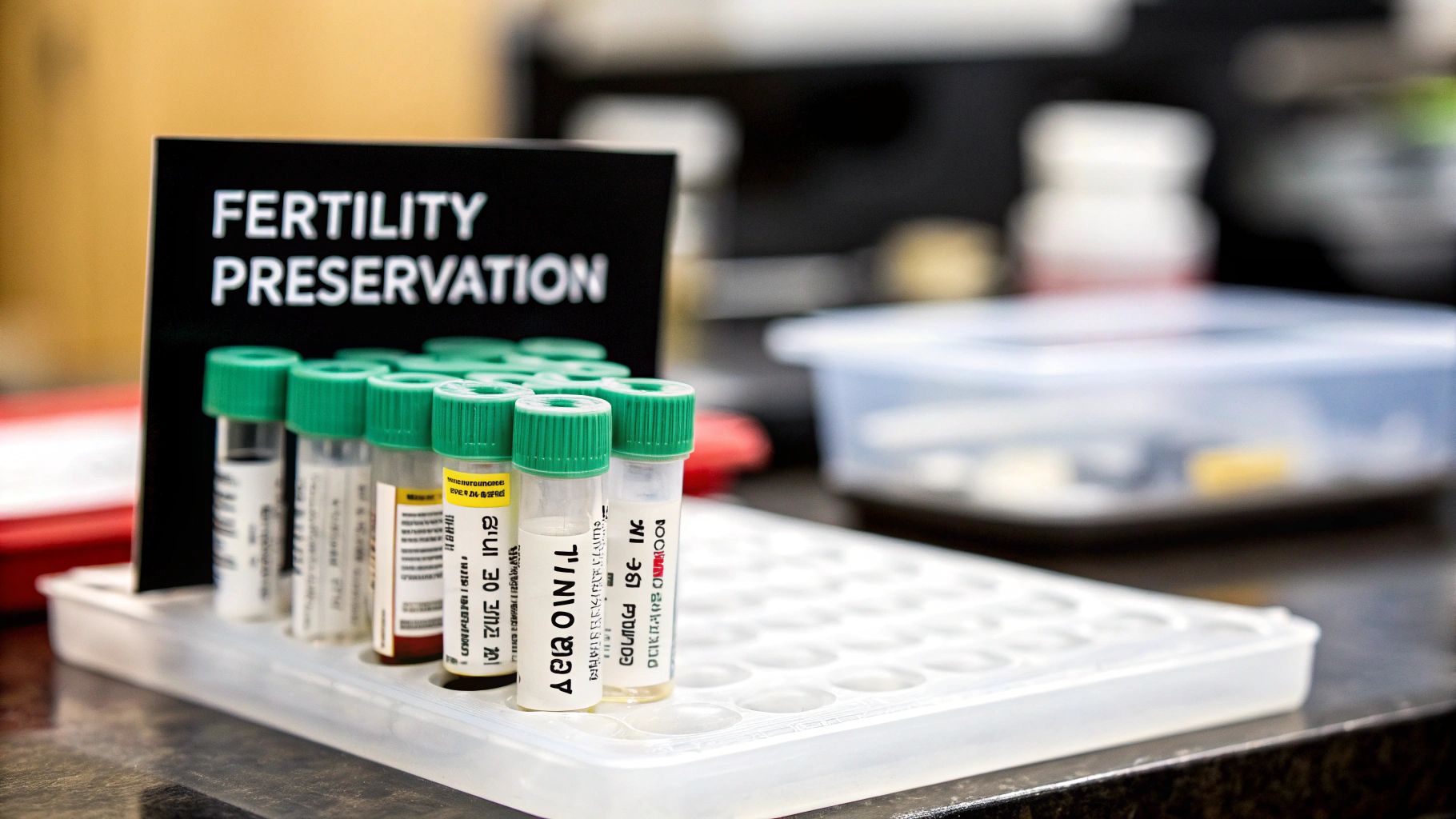
5. Should I consider egg or sperm freezing, and when?
Fertility preservation, or cryopreservation, is no longer just a reactive measure but a proactive family planning strategy. Asking a fertility doctor about egg or sperm freezing is a crucial step for anyone wanting to preserve their reproductive options for the future, whether due to medical reasons, career goals, or personal timelines. This technology allows you to bank your eggs or sperm at their current biological age, effectively pausing your reproductive clock.
Why This Question Is Crucial
Timing is everything in fertility. For women, egg quality and quantity decline significantly with age, particularly after 35. For men, while the decline is more gradual, age and lifestyle can still impact sperm health. Discussing fertility preservation allows you to make a strategic decision based on your current health and future goals, rather than a frantic one driven by a later diagnosis or life change. It puts you in control of your reproductive timeline.
Common Scenarios for Preservation
Your doctor can help determine if preservation is right for you. Common scenarios include:
- Elective Preservation: Individuals or couples who wish to delay parenthood for personal or professional reasons can freeze eggs or sperm during their peak fertile years.
- Medical Necessity: Patients facing treatments that can harm fertility, such as chemotherapy or radiation for cancer, can preserve their gametes beforehand.
- Gender-Affirming Care: Transgender individuals may choose to preserve eggs or sperm before beginning hormone therapy or undergoing surgeries.
- High-Risk Professions: Individuals in high-risk occupations, such as military deployment, may opt for sperm banking as a precaution.
Key Insight: View fertility preservation not as a last resort, but as a form of biological insurance. The optimal time to freeze eggs is typically before age 38, as the quality and quantity are higher, leading to better success rates when you are ready to use them.
Actionable Tips for Your Appointment
Prepare for a detailed discussion about your long-term plans.
- Define Your Goals: Be clear about your desired family size and timeline.
- Discuss Costs: Inquire about the costs for the retrieval cycle, annual storage fees, and future thawing and fertilization procedures.
- Evaluate Success Rates: Ask about the clinic’s success rates with frozen eggs or sperm, specifically their thaw survival and live birth rates.
- Review Storage Protocols: Understand the storage facility’s security, monitoring, and long-term policies. For more in-depth information, you can explore the nuances of fertility preservation and planning on Haute Living.
6. What lifestyle changes can improve my fertility?
While advanced medical treatments are often the primary focus, the impact of daily habits on reproductive health cannot be overstated. Asking a fertility doctor about lifestyle modifications is a proactive step toward optimizing your body’s natural potential for conception. These changes can improve hormonal balance, egg and sperm quality, and the uterine environment, often enhancing the effectiveness of any prescribed fertility treatments.

Why This Question Is Crucial
This question empowers you to take control of modifiable factors that directly influence your fertility outcomes. Unlike genetic predispositions or certain medical conditions, lifestyle is an area where you and your partner can make immediate, impactful changes. A physician can provide evidence-based guidance, helping you distinguish between general wellness advice and specific, targeted interventions that are proven to support reproductive health. This ensures your efforts are focused and effective.
Common Lifestyle Recommendations
Your doctor will provide personalized advice, but evidence-based recommendations often include:
- For both partners:
- Weight Management: For women with PCOS, even a modest weight loss of 5-10% can restore ovulation. For men, maintaining a healthy BMI is linked to better sperm parameters.
- Dietary Adjustments: Adopting a nutrient-dense, anti-inflammatory diet, such as the Mediterranean diet, has been associated with higher IVF success rates.
- Smoking and Alcohol Cessation: Smoking accelerates egg loss and damages sperm. Excessive alcohol can negatively impact hormone levels and sperm production.
- Stress Reduction: Chronic stress can disrupt the hormones that regulate ovulation. Techniques like yoga, meditation, or therapy may improve outcomes.
Key Insight: Lifestyle changes are not a substitute for medical treatment but a powerful complement. These modifications prepare your body for conception and can significantly improve the success rates of treatments like IUI and IVF.
Actionable Tips for Your Appointment
To get the most out of this conversation, be prepared to discuss specifics.
- Be Honest: Provide a transparent overview of your current diet, exercise, sleep, and stress levels.
- Request Specifics: Ask for measurable goals, such as a target BMI range or specific dietary guidelines, rather than generic advice to “eat healthier.”
- Inquire About Supplements: Ask which supplements (like CoQ10, Vitamin D, or prenatal vitamins with folic acid) have strong evidence supporting their use for your specific situation.
- Discuss Timelines: Understand how long it typically takes for lifestyle changes, like improving sperm quality (which takes about three months), to have a clinical effect.
7. What are the potential risks and side effects of fertility medications and procedures?
Fertility treatments, while often successful, are medical interventions that come with a spectrum of potential risks and side effects. Asking your fertility doctor about these possibilities is not about creating fear, but about fostering informed consent. Understanding the full picture, from common and mild side effects to rare but serious complications, is a non-negotiable part of responsible medical care.
Why This Question Is Crucial
Every medical procedure involves a risk-benefit analysis, and fertility treatments are no exception. Proactively discussing potential side effects allows you to recognize what is normal versus what might require medical attention. This knowledge empowers you to be an active participant in your care, helps manage expectations regarding how you might feel during treatment, and ensures you are prepared for the physical and emotional journey ahead.
Common Risks and Side Effects
Your physician will explain the risks pertinent to your specific treatment plan, which may include:
- Medication Side Effects: Hormonal medications used for ovarian stimulation can cause bloating, headaches, breast tenderness, and mood swings. Most of these are temporary and resolve after the medication is stopped.
- Ovarian Hyperstimulation Syndrome (OHSS): This is a potential complication of ovarian stimulation where the ovaries swell and leak fluid into the abdomen. Mild OHSS is relatively common and manageable, but severe OHSS (affecting 1-2% of IVF cycles) is a serious condition requiring hospitalization.
- Procedure-Related Risks: The egg retrieval procedure carries a very small risk of bleeding, infection, or injury to surrounding organs, with rates typically below 1%.
Key Insight: A top-tier clinic will not only disclose risks but will detail the specific protocols they have in place to mitigate them. This includes careful monitoring during stimulation to prevent OHSS and stringent sterile techniques during procedures.
Actionable Tips for Your Appointment
To ensure a comprehensive understanding of your safety, come prepared with targeted questions.
- Request Written Materials: Ask for a handout or a link to information detailing the side effects of your prescribed medications.
- Clarify Warning Signs: Ask, “What specific symptoms should prompt an immediate call to the clinic?”
- Discuss Prevention: Inquire about specific strategies the clinic uses to prevent OHSS, especially if you have risk factors like PCOS.
- Know the Protocol: Understand the clinic’s emergency contact procedures and who to call after hours if you experience a concerning symptom.
8. How many treatment cycles should I plan for, and when should I consider stopping?
Embarking on fertility treatment requires not only medical and financial planning but also emotional preparation. Asking your doctor about the recommended number of cycles and when to reassess your approach is a crucial part of creating a sustainable and realistic treatment strategy. This conversation helps set expectations and establishes a clear framework for your journey, preventing burnout and ensuring decisions are made proactively, not reactively.
Why This Question Is Crucial
This question moves the focus from a single cycle to a long-term strategy, acknowledging that success often comes with persistence. Understanding cumulative success rates-the probability of success over multiple attempts-provides a more accurate picture than single-cycle statistics. It allows you to align your financial resources, emotional stamina, and medical plan, giving you a sense of control over a process that can often feel unpredictable. This foresight is key to maintaining resilience and making empowered choices.
Understanding Cumulative Success Rates
Your doctor’s answer will be highly personalized based on your age, diagnosis, and chosen treatment. While specific numbers vary, general patterns exist for IVF:
- For the female partner <35: Cumulative success rates often exceed 70% after three to four IVF cycles.
- For the female partner 35-37: Reaching a similar cumulative success rate may require four to six cycles.
- For the female partner 38-40: Meaningful cumulative success often involves six or more cycles as per-cycle success rates are lower.
- For the female partner >42: Success rates tend to plateau quickly, so a physician might recommend two to three cycles before re-evaluating the entire approach.
Key Insight: Treatment is a marathon, not a sprint. Frame your mindset around a multi-cycle plan. This approach mitigates the emotional impact of any single unsuccessful cycle and aligns with how fertility success is statistically achieved.
Actionable Tips for Your Appointment
Use this discussion to build a comprehensive and humane treatment roadmap.
- Ask for Personalized Data: Inquire about the clinic’s cumulative success rates for patients with your specific age and diagnosis.
- Establish Reassessment Points: Agree on checkpoints (e.g., after every two or three cycles) to review progress and decide if a change in protocol is needed.
- Define Your Limits: Before starting, discuss and decide on your emotional, financial, and time-based limits as a couple or individual.
- Explore Alternatives Early: Ask when it would be appropriate to begin considering other family-building options, such as donor gametes or surrogacy, so these are not last-minute decisions.
9. What is your experience with my specific diagnosis, and what outcomes have you achieved?
While all reproductive endocrinologists are highly trained, many develop a specialized focus over years of practice. Asking a fertility doctor about their direct experience with your specific diagnosis-be it Polycystic Ovary Syndrome (PCOS), endometriosis, male factor infertility, or recurrent pregnancy loss-is a crucial step in vetting their expertise. This question moves beyond general clinic success rates to assess the physician’s specific skill set and track record with cases like yours.
Why This Question Is Crucial
Fertility treatment is not a one-size-fits-all discipline. A doctor who has managed hundreds of PCOS cases will have a more nuanced understanding of ovulation induction protocols, while a physician specializing in diminished ovarian reserve may be more adept at pioneering IVF strategies for that population. Securing a specialist with deep, relevant experience can significantly streamline your path to success, avoiding generic protocols that may not be optimized for your unique biological challenges.
Specialty Expertise Examples
A doctor’s focus directly influences their treatment philosophy and technical proficiency. Look for alignment between their expertise and your needs:
- PCOS Specialist: Often demonstrates high success rates with ovulation induction using medications like Letrozole and has fine-tuned protocols for managing Ovarian Hyperstimulation Syndrome (OHSS) risk during IVF.
- Endometriosis Expert: May have advanced surgical skills for excision of endometrial lesions and combines this with precisely timed IVF or IUI cycles to maximize success post-surgery.
- Male Factor Specialist: Possesses deep knowledge of advanced andrology procedures like Intracytoplasmic Sperm Injection (ICSI) and sperm retrieval techniques (TESE/MESA).
Key Insight: Don’t hesitate to ask for specifics. Inquiring about a doctor’s experience isn’t questioning their credentials; it’s conducting due diligence to ensure you are partnering with the best possible expert for your individual case.
Actionable Tips for Your Appointment
Drill down to get a clear picture of the physician’s specific expertise and how they manage their practice. Learn more about the role of a fertility specialist to better frame your questions.
- Quantify Their Experience: Ask, “Approximately how many patients with [your diagnosis] do you treat annually?”
- Request Specific Data: Inquire, “Can you share your clinic’s success rates specifically for patients with my diagnosis and age group?”
- Probe Deeper: Ask about their participation in clinical research or continuing education related to your condition.
- Assess Their Network: Inquire about their access to other specialists, such as expert urologists for male factor issues or reproductive surgeons.
10. Should my partner be tested, and what if results are abnormal?
Fertility is a team sport, and a comprehensive evaluation isn’t complete without assessing all contributing partners. This is a critical question to ask a fertility doctor because male factor infertility is a primary or contributing cause in approximately 40% of cases among heterosexual couples. Addressing this early on prevents a one-sided diagnostic process that could miss vital information and lead to ineffective treatment cycles.
Why This Question Is Crucial
Focusing solely on the female partner is an outdated and inefficient approach. A thorough partner evaluation, primarily through a semen analysis, provides a complete diagnostic picture from the outset. Identifying issues like low sperm count, poor motility, or abnormal morphology early allows your doctor to recommend targeted and effective treatments, such as Intracytoplasmic Sperm Injection (ICSI), rather than discovering the issue after a less-advanced treatment fails. This proactive strategy saves time, emotional energy, and financial resources.
Interpreting Abnormal Results
An abnormal result is not a final verdict but a starting point for a targeted strategy. Your physician will explain the specific findings and recommend interventions:
- Low Sperm Count/Poor Motility: Depending on severity, recommendations may range from lifestyle modifications to advanced procedures like IUI or IVF with ICSI, where a single, healthy sperm is injected directly into an egg.
- Abnormal Morphology (Shape): IVF with ICSI is the most effective treatment, as it allows embryologists to visually select the best-shaped sperm for fertilization, bypassing potential barriers.
- Azoospermia (No Sperm): If no sperm is found in the ejaculate, further testing can determine the cause. Treatment may involve a testicular sperm extraction (TESE) procedure to retrieve sperm directly, followed by IVF with ICSI, or considering the use of a sperm donor.
Key Insight: Partner testing is a non-negotiable part of a modern fertility workup. An abnormal result simply provides more data, allowing your medical team to pivot to a more precise and effective treatment protocol, often leading to a higher probability of success.
Actionable Tips for Your Appointment
Ensure the partner evaluation is integrated smoothly into your diagnostic plan.
- Request Rationale: Ask your doctor to provide your partner with the medical rationale for testing to ensure they feel included and informed.
- Discuss Timing: Clarify when partner testing should occur. It is often one of the first and least invasive steps.
- Plan for Interpretation: Inquire about scheduling a follow-up consultation to discuss the results together and understand their impact on your treatment plan.
- Share Family History: Both partners should disclose any relevant family medical history, as genetic factors can influence fertility and may prompt further testing.
10 Questions to Ask a Fertility Doctor — Comparison
| Item | Implementation complexity 🔄 | Resource requirements ⚡ | Expected outcomes 📊 | Ideal use cases 💡 | Key advantages ⭐ |
|---|---|---|---|---|---|
| What fertility tests should I have before starting treatment? | Medium 🔄 (multiple timed tests) | Moderate ⚡ (labs, imaging, appointments) | High 📊 (establishes diagnostic baseline) | Initial evaluation; treatment planning 💡 | Identifies treatable causes; guides personalized plan ⭐⭐⭐⭐ |
| What are my realistic chances of success with different treatment options? | Low–Medium 🔄 (data interpretation) | Low ⚡ (records, clinic reports) | Moderate–High 📊 (age-/treatment-specific probabilities) | Comparing IVF/IUI/drugs; informed decisions 💡 | Sets expectations; aids financial and emotional planning ⭐⭐⭐ |
| What does my diagnosis mean and what are my treatment options? | High 🔄 (complex explanations + choices) | Moderate ⚡ (specialist consults, possible tests) | High 📊 (enables targeted interventions) | After diagnostic results; choosing pathway 💡 | Personalized roadmap; clarifies escalation and timelines ⭐⭐⭐⭐ |
| How much will treatment cost and what does insurance cover? | Medium 🔄 (insurance and billing complexities) | High ⚡ (potentially large out‑of‑pocket costs) | Moderate 📊 (financial clarity; budgeting) | Pre-treatment financial planning and cycle selection 💡 | Prevents surprises; uncovers assistance and package options ⭐⭐⭐ |
| Should I consider egg or sperm freezing, and when? | Medium–High 🔄 (timing, protocols) | High ⚡ (procedure, storage, fees) | Moderate 📊 (preserves future options; success age‑dependent) | Elective delay of childbearing; pre‑gonadotoxic therapy 💡 | Preserves fertility autonomy; reduces time pressure later ⭐⭐⭐ |
| What lifestyle changes can improve my fertility? | Low–Medium 🔄 (behavior change over time) | Low ⚡ (time, possible referrals) | Variable 📊 (can improve outcomes for many) | First‑line, adjunct to medical treatment; PCOS management 💡 | Low cost; broad health benefits and may boost treatment success ⭐⭐⭐ |
| What are the potential risks and side effects of fertility medications and procedures? | Medium 🔄 (risk discussion + monitoring) | Moderate ⚡ (monitoring, rare interventions) | High 📊 (informed consent; safety planning) | Pre‑medication and pre‑procedure counseling 💡 | Enables risk mitigation and preparedness; informs consent ⭐⭐⭐⭐ |
| How many treatment cycles should I plan for, and when should I consider stopping? | Medium 🔄 (cumulative data + counseling) | High ⚡ (time, emotional and financial resources) | Moderate–High 📊 (sets realistic cumulative expectations) | Long‑term treatment planning and limits setting 💡 | Supports emotional/financial sustainability; defines reassessment points ⭐⭐⭐ |
| What is your experience with my specific diagnosis, and what outcomes have you achieved? | Low–Medium 🔄 (ask for data; review outcomes) | Variable ⚡ (may require travel/second opinion) | High 📊 (specialist experience can improve outcomes) | Complex or diagnosis‑specific cases; seeking expertise 💡 | Access to specialized protocols and better-tailored care ⭐⭐⭐⭐ |
| Should my partner be tested, and what if results are abnormal? | Low 🔄 (straightforward testing) | Low–Moderate ⚡ (semen analysis; possible specialist) | High 📊 (identifies male factor; directs intervention) | Essential at initial couple evaluation 💡 | Targets male contributors; may avoid unnecessary female interventions ⭐⭐⭐⭐ |
Navigating Your Path Forward with Confidence
Embarking on a fertility journey is a significant step, one that involves deep personal investment, complex medical decisions, and immense hope. The comprehensive list of questions to ask a fertility doctor detailed in this guide is not just a checklist; it is a strategic framework designed to empower you. By preparing for your consultation, you transform a potentially overwhelming experience into a structured, productive dialogue where you are a key participant, not a passive observer.
The goal is to move beyond simply receiving information and into a state of active partnership with your chosen specialist. Your fertility path is profoundly unique, shaped by your specific biology, history, and goals. The answers to questions about diagnostics, success rates, costs, and timelines are the essential building blocks for a truly personalized treatment plan. This level of detail ensures your strategy is not a one-size-fits-all protocol but a bespoke approach crafted for your specific circumstances.
Key Takeaways for an Empowered Journey
Mastering this approach is valuable because it directly influences your outcomes, your experience, and your peace of mind. Remember these core principles as you move forward:
- Clarity Precedes Confidence: Walking into a consultation with organized questions eliminates ambiguity. You will leave with a clear understanding of your diagnosis, your options, and the rationale behind your doctor’s recommendations.
- Advocacy is Not Adversarial: The best reproductive endocrinologists welcome informed patients. Asking detailed questions about a clinic’s experience with your specific condition or their lab’s technology demonstrates your commitment. It signals to your physician that you are a serious partner in your own care.
- Financial Planning is Part of the Process: Addressing costs, insurance coverage, and potential financing options upfront is a critical component of a sustainable treatment plan. This prevents future stress and allows you to focus your emotional energy on the medical journey itself.
- The “Right” Doctor is a Personal Decision: A physician’s credentials and a clinic’s success rates are vital, but so is their communication style. The ideal specialist will not only have elite technical skills but will also listen, empathize, and make you feel heard and respected.
Your Actionable Next Steps
Armed with this knowledge, your path forward becomes clearer. The journey from consideration to consultation and treatment requires a proactive stance. Here’s how to proceed:
- Personalize Your Question List: Review the questions in this article and select the ones most relevant to your situation. Add any personal concerns or specific queries you have. Organize them in a notebook or digital document to bring with you.
- Schedule a Consultation (or a Second Opinion): If you are just beginning, use this guide to vet potential doctors. If you are already in a treatment plan but feel uncertain, use these questions to seek a second opinion. A fresh perspective from another top-tier specialist can be invaluable.
- Document Everything: During your appointment, take detailed notes. If possible, bring your partner or a trusted friend to act as a second set of ears. Record the answers you receive so you can review them later with a clear head.
- Trust Your Instincts: Ultimately, choosing a fertility doctor is about building a relationship of trust. The answers you receive, combined with the rapport you feel, will guide you to the right team to help you build your family.
This proactive, inquisitive approach is your most powerful tool. It transforms uncertainty into action and places control back into your hands. By asking the right questions to ask a fertility doctor, you are not just seeking answers; you are building the foundation for a successful and empowered journey toward parenthood.
Finding a physician who excels in both cutting-edge science and patient-centered communication is paramount. The Haute MD network provides a curated guide to the nation’s most distinguished, board-certified reproductive endocrinologists who are recognized leaders in achieving superior outcomes. Explore our network to connect with an elite specialist who can provide the expert partnership you deserve on your path to parenthood.