The Whole Patient: Dr. Alexander Golberg's Osteopathic Approach to Longevity and Pain
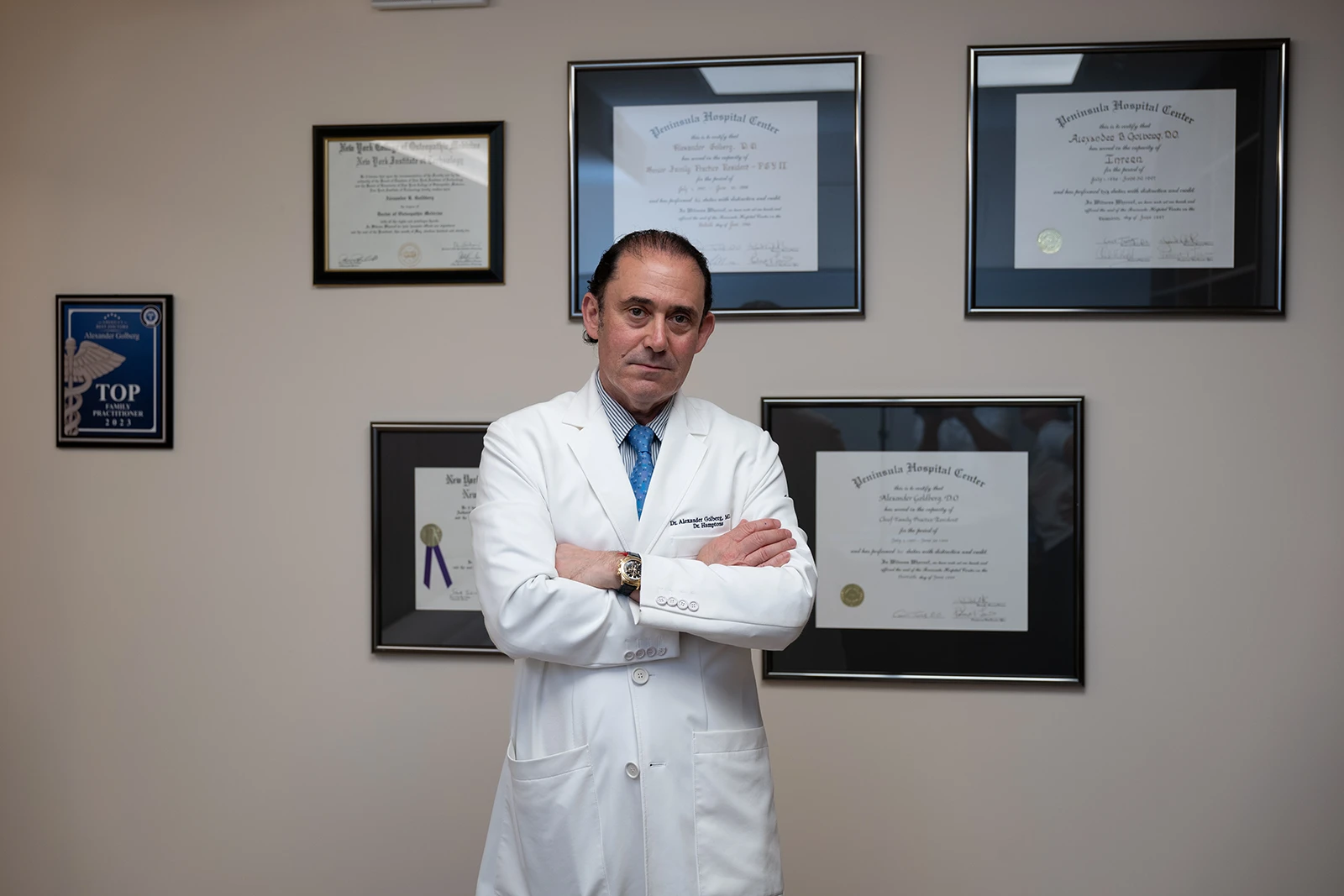
Most patients have experienced a version of the same frustration: a physician who treats the complaint in front of them and nothing else. The knee, not the gait that caused it. The headache, not the tension pattern running through the neck and shoulders. The fatigue, not the hormonal and structural imbalances that produced it. Dr. Alexander Golberg, whose practice is accessible at www.drgolberg.nyc, built his career on a different premise entirely.
That premise — that the body functions as an integrated whole, and that lasting health requires understanding how its systems interact — is the philosophical foundation of osteopathic medicine. For Dr. Golberg, it is not an abstraction. It is the lens through which he evaluates every patient who walks through his door.
A Training Unlike Most: Osteopathic Medicine and Pain Management
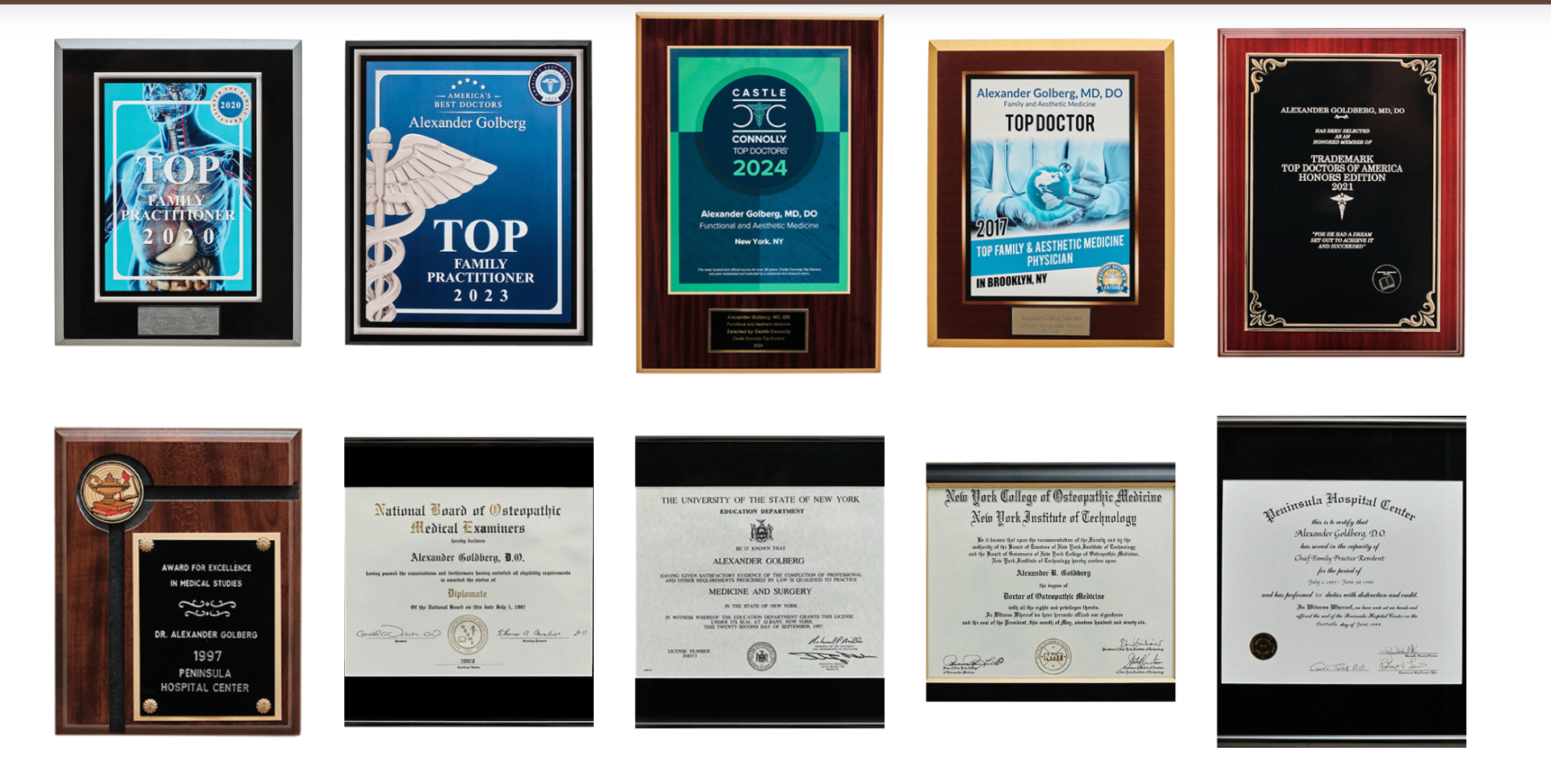
Dr. Golberg holds training in both osteopathic medicine and pain management — a combination that is less common than it might appear, and more powerful than most patients realize. Osteopathic medicine begins with the conviction that structure and function are inseparable: that the musculoskeletal system, the nervous system, and the body's internal organs are in constant conversation, and that a disruption in one invariably affects the others.
Pain management adds a clinical layer to that foundation. It requires a physician to understand not only what hurts, but why — the mechanical contributors, the inflammatory pathways, the neurological sensitization, the lifestyle and postural patterns that sustain pain long after an initial injury has healed. Together, these disciplines produce a physician who thinks differently about the body than most specialists are trained to.
What patients often describe after their first appointment with Dr. Golberg is a sense of being seen completely — not as a set of symptoms, but as a person with a history, a physiology, and a set of patterns that have accumulated over time. That experience is a direct product of his osteopathic training.
The Osteopathic Difference: Structure, Function, and the Body as a Whole
Osteopathic medicine was founded on the observation that the body has an inherent capacity to heal itself — and that a physician's role is to identify and remove the obstacles that stand in the way of that capacity. In practice, this means that an osteopathic physician does not simply prescribe for symptoms. They evaluate posture and alignment, assess the relationship between the spine and the nervous system, and examine how restrictions in one area of the body create compensatory strain in another.
For Dr. Golberg, this approach has deepened his understanding of pain, aging, and chronic illness in ways that conventional medical training alone does not provide. When a patient presents with chronic back pain, he considers not only the spine but the muscular and fascial patterns surrounding it, the relationship between the pelvis and the lumbar region, the downstream effects on organ function, and the systemic inflammatory picture that may be sustaining the pain. The treatment that follows is correspondingly more complete.
This holistic orientation extends naturally into longevity medicine. The same interconnected thinking that makes an osteopathic physician effective at resolving pain makes Dr. Golberg effective at identifying the accumulating imbalances — hormonal, metabolic, structural, neurological — that constitute premature aging. Longevity, in his framework, is not a collection of independent biomarkers to be optimized in isolation. It is a function of how well the body's systems are communicating and cooperating with one another.
The Personal Element: Practicing What He Studies
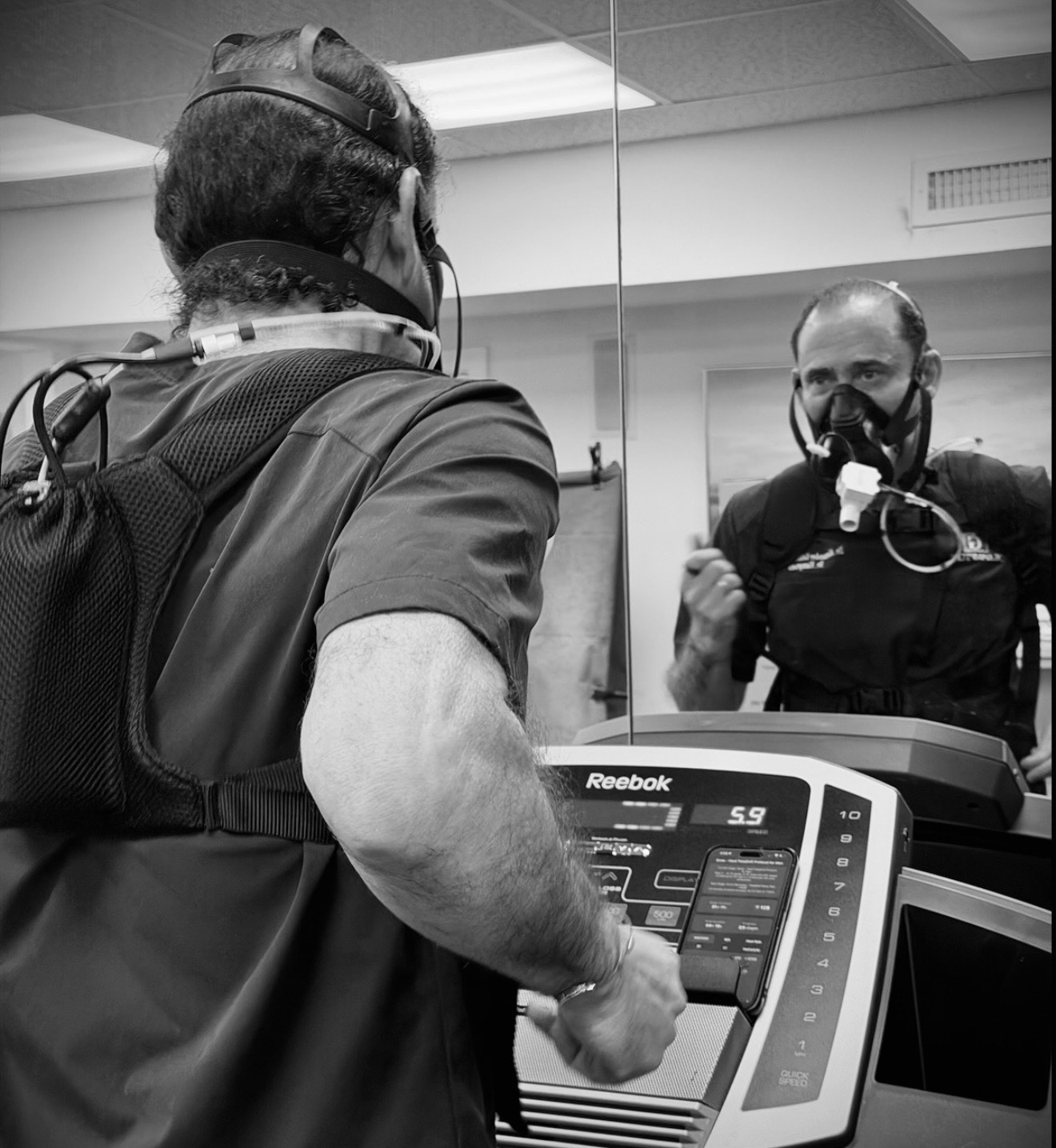
Dr. Golberg has applied the same integrated scrutiny to himself that he brings to his patients. He has navigated the protocols, the monitoring, the recalibration — and he understands from direct experience how osteopathic principles interact with longevity interventions in a living body. His ability to speak to that experience is not incidental. It is part of what makes his counsel credible and specific in ways that purely academic training cannot produce.
Aesthetic Medicine Through the Same Lens
The osteopathic framework shapes Dr. Golberg's approach to aesthetic medicine as well. When he evaluates a patient's face, he is considering proportion, symmetry, and structural balance — the same principles that govern osteopathic assessment of the body as a whole. The result is an aesthetic practice that produces outcomes others describe as natural, harmonious, and coherent — because they are grounded in an understanding of how form and function relate. His clinical portfolio spans facial rejuvenation, rhinoplasty, and hair restoration, each approached with the same attention to the whole picture that defines his medical practice.
A Practice Built for the Patient Who Wants More
Dr. Golberg's Park Avenue practice is designed for patients who are not content with a surface-level engagement with their health. They want to understand what is happening in their body, why it is happening, and what can be done about it — not with a prescription and a referral, but with a physician who will stay with them through the process.
That level of care is available at www.drgolberg.nyc. Consultation inquiries may be directed to office@drgolberg.nyc or by phone at (212) 201-0719.
Member Spotlight
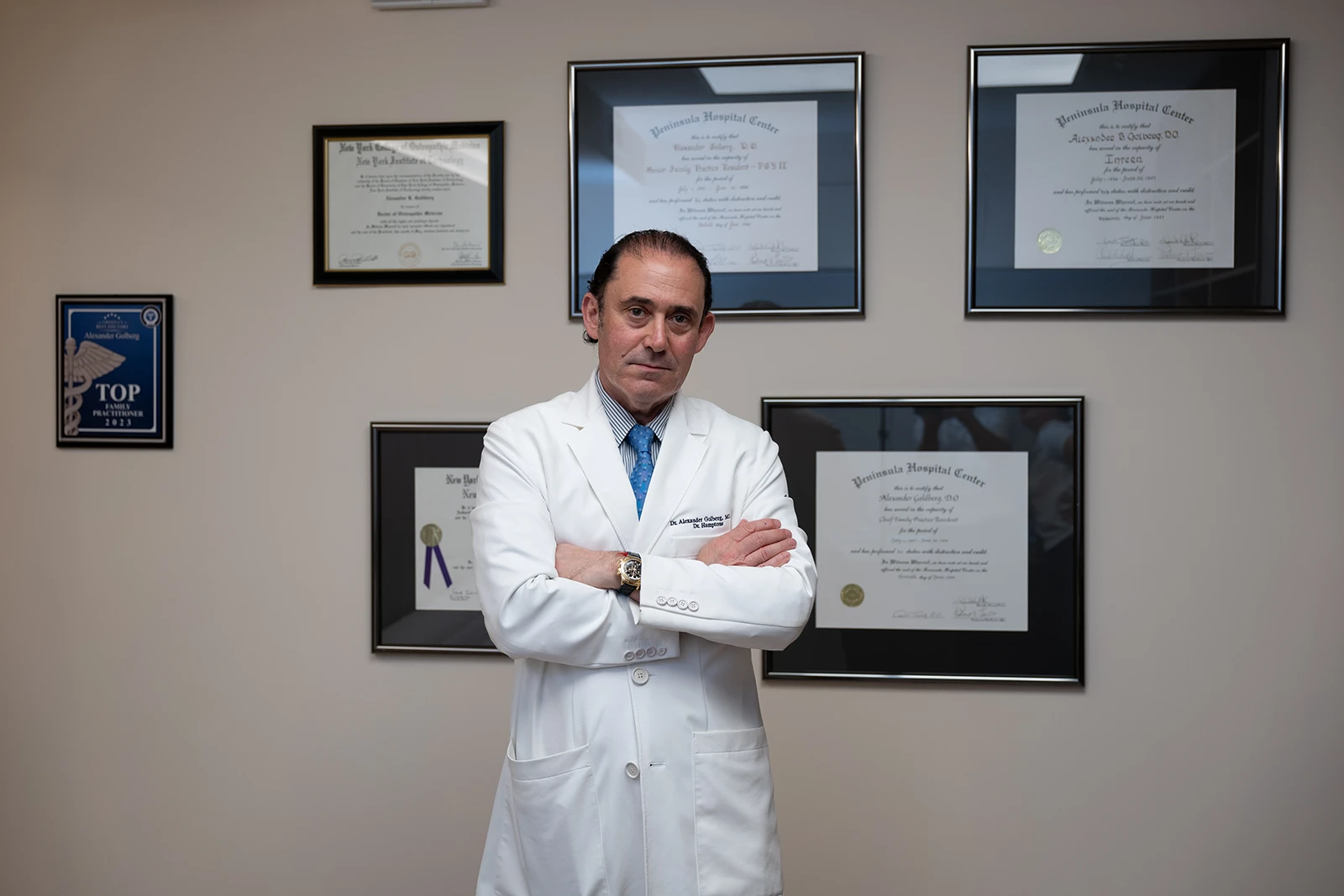
Alexander GolbergConcierge / Internal Medicine Doctors · Longevity Specialists · Regenerative Medicine
Dr. Golberg Functional & Aesthetic Medicine
New York, NY