


Recovering from a thyroidectomy isn’t just about healing from surgery; it’s about learning to support your body’s new reality. Without a thyroid gland, your metabolism now runs on the medication you take each day. The right diet is the crucial other half of that equation—it helps your body use that medication effectively, maintain energy, and truly thrive.
Your Nutritional Roadmap After Thyroid Removal
Figuring out what to eat after thyroid surgery can feel overwhelming, but it’s an empowering step toward taking control of your health. Think of it this way: your body used to have a self-regulating thermostat for your metabolism. Now, you and your doctor set the temperature with medication, and your food choices are what keep the system running smoothly.
This isn’t about a restrictive, complicated diet. It’s about making deliberate, informed choices that align with your body’s new physiology. A well-designed diet after thyroid removal is your strategic plan for long-term well-being, and it has a few clear objectives.
Core Goals of Post-Thyroidectomy Nutrition
Your primary mission is to create a stable internal environment where your medication works flawlessly and your body has everything it needs. This comes down to a few key pillars:
- Promoting Healing: Right after surgery, your body is in repair mode. It needs the essential building blocks—especially protein and key vitamins—to mend tissues and recover efficiently.
- Maintaining Nutrient Balance: The thyroid’s neighbors, the parathyroid glands, regulate calcium. Surgery can sometimes disrupt them, making dietary calcium a top priority.
- Optimizing Medication Absorption: What you eat (and when you eat it) can dramatically affect how well your body absorbs your thyroid hormone replacement. Nailing this timing is non-negotiable.
- Supporting Metabolic Health: Your medication now manages your metabolism, but a balanced diet of whole foods is what prevents unwanted weight gain and keeps your energy levels from crashing.
The Foundation of a Successful Plan
The single most effective strategy is committing to a diet based on whole, unprocessed foods. This approach naturally delivers the fiber, antioxidants, and micronutrients your body is craving, without the inflammatory burden of processed ingredients, refined sugars, and industrial seed oils.
A focus on whole foods—lean proteins, complex carbohydrates, and healthy fats—provides the sustained energy and nutritional support necessary for your body to adapt after surgery. This isn’t just about recovery; it’s about long-term vitality.
This guide will walk you through everything from those first few days post-op to building a sustainable, long-term eating plan. When you understand the “why” behind each recommendation, you’re no longer just following rules—you’re making powerful choices for your health. Every meal becomes an opportunity to support your body and feel your best as you move forward.
What to Eat Immediately After Surgery
The first few weeks after your thyroidectomy are all about healing and comfort. Your job is to nourish your body for repair while keeping any discomfort to an absolute minimum. It’s completely normal to have a sore throat and some trouble swallowing, which makes the texture of your food just as important as what’s in it.
Think of this phase as giving your body’s recovery crew the gentlest, most effective fuel possible.

During this time, your diet after thyroid removal should be built around soft, smooth, and nutrient-packed options. The goal here is simple: avoid anything that could irritate the surgical site or demand a lot of chewing. Your body is already working overtime to heal, and giving it easily digestible nutrients provides the resources it needs without adding any extra stress.
Gentle Foods to Promote Healing
To start, stick with foods that are soothing and easy to swallow. These choices will deliver the essential vitamins, minerals, and protein your body is crying out for to repair tissue.
- Protein-Rich Smoothies: A fantastic option. Blend fruits like bananas or berries with Greek yogurt, almond milk, and a scoop of high-quality protein powder. They’re gentle on the throat and perfect for rebuilding tissue.
- Puréed Soups: Think warm (not hot) soups made from butternut squash, potatoes, or carrots. They’re hydrating and full of vitamins. Blending them makes them perfectly smooth.
- Soft Dairy and Eggs: Plain Greek yogurt, cottage cheese, and soft-scrambled eggs are protein powerhouses that are incredibly easy to eat.
- Cooked Cereals and Fruits: Oatmeal, cream of wheat, applesauce, and mashed bananas offer gentle fiber and sustained energy without irritating your throat.
For now, it’s best to steer clear of anything hard, crunchy, spicy, or highly acidic. Things like chips, raw vegetables, citrus fruits, and tomato-based sauces can cause real discomfort, so they should be put on pause for a bit.
The Critical Role of Calcium Post-Surgery
One of the most important things to manage right after a thyroidectomy is calcium. The tiny parathyroid glands, which sit right behind the thyroid, are the masters of your body’s calcium regulation. During surgery, it’s common for these glands to get temporarily stunned or disturbed, which can cause a drop in blood calcium known as hypocalcemia.
This isn’t a minor detail; it’s a crucial part of a safe recovery. Hypocalcemia can bring on symptoms like tingling in your fingertips, toes, or around your lips, and even muscle cramps or twitching. Knowing these signs and being proactive about your calcium intake is essential.
Low calcium is a common but manageable side effect of thyroid surgery. A proactive dietary approach, focusing on calcium-rich, easy-to-swallow foods, is your first line of defense in maintaining mineral balance and ensuring a smooth recovery.
Research really drives home how powerful a managed diet is here. Studies have shown that hypocalcemia, which can affect up to 35.7% of patients, was slashed to just 17.1% when a carefully managed post-operative diet was put in place. You can discover more insights about the impact of diet on post-surgical calcium levels and see just how vital nutrition is to recovery.
To keep your calcium levels steady, gently reintroduce calcium-rich foods as soon as you feel you can tolerate them.
- Dairy Products: Milk, yogurt, and soft cheeses are excellent sources.
- Fortified Options: Many non-dairy milks (like almond or soy) and some orange juices are fortified with both calcium and vitamin D, which is key for absorption.
- Soft-Cooked Greens: Once swallowing gets a bit easier, well-cooked spinach or kale can be blended into soups or smoothies.
Your surgical team will be keeping a close eye on your calcium levels and will likely prescribe supplements. Following their guidance while bringing in these gentle, calcium-rich foods will help stabilize your levels, prevent those uncomfortable symptoms, and set you up for a swift and successful recovery.
Building Your Long-Term Nutrition Plan
Once you’re past the initial soft-food phase of recovery, your focus needs to shift to a sustainable, long-term eating strategy. Think of your body as a high-performance engine. Before the surgery, your thyroid gland was the onboard computer, automatically managing fuel and output. Now, your daily medication is the new operating system, and your diet is the premium fuel required to make it all run flawlessly.
This isn’t about harsh restrictions; it’s about nutritional precision. The entire goal of your long-term diet after thyroid removal is to give your body the exact raw materials it needs to use its new hormone supply effectively, stabilize your energy, and support your overall well-being.
Fueling the T4 to T3 Conversion
Your daily medication, usually levothyroxine, provides your body with T4, a synthetic storage hormone. But for your cells to actually use it, T4 must be converted into T3, the active form of the hormone. This critical conversion process doesn’t just happen on its own—it depends entirely on specific micronutrient cofactors.
Imagine a factory assembly line. T4 is the raw material coming in, and T3 is the finished, usable product going out. To keep that line moving efficiently, you need a skilled team of workers, and in this case, that team is made up of key minerals.
- Selenium: This is the master foreman of hormone conversion. A deficiency can dramatically slow down the T4-to-T3 process, which can lead to hypothyroidism symptoms even when your T4 levels look normal on a lab report. Brazil nuts are famously packed with selenium; just one or two nuts can often meet your entire daily need. Other fantastic sources include tuna, sardines, eggs, and legumes.
- Zinc: Think of zinc as selenium’s most crucial assistant. It also plays a direct role in synthesizing thyroid hormones. If your zinc levels are insufficient, T3 production can be impaired. You can find plenty of zinc in lean meats, shellfish (especially oysters), chickpeas, and pumpkin seeds.
Essential Supporting Nutrients
Beyond the main conversion minerals, a few other nutrients play vital supporting roles in your new metabolic reality. Making sure you get enough of them helps create a more resilient, better-functioning system. Iron, for example, is another key player in the T4-to-T3 conversion and is absolutely essential for fighting fatigue—one of the most common complaints after a thyroidectomy.
Excellent sources of easily absorbed (heme) iron include lean red meat, poultry, and fish. If you rely on plant-based (non-heme) sources like lentils, spinach, and fortified cereals, make sure to pair them with a source of vitamin C, like bell peppers or berries, to supercharge absorption.
Adopting a long-term nutrition plan is less about following a strict “diet” and more about creating a consistent, nutrient-rich environment where your medication can do its best work. It’s a foundational pillar of managing your health proactively.
Understanding how these nutrients work together empowers you to build a plate that actively supports your body’s needs. If you’re looking for broader strategies to complement this, learning how to improve metabolic health is a practical guide that fits perfectly with these thyroid-specific recommendations.
The Role of Iodine After Thyroid Removal
The topic of iodine after a thyroidectomy can be a source of major confusion. When you had a thyroid, it used iodine to produce hormones. Now that the gland is gone, your body no longer requires dietary iodine for hormone production.
For most people who have had a total thyroidectomy, there is absolutely no need to seek out high-iodine foods or take iodine supplements. In fact, for patients undergoing radioactive iodine (RAI) therapy for thyroid cancer, doctors will intentionally prescribe a temporary low-iodine diet to maximize the treatment’s effectiveness.
The only exception might be if you’ve had a partial thyroidectomy and still have some functioning thyroid tissue. In that case, your doctor might recommend a moderate iodine intake to support the remaining gland. As always, follow the specific advice of your endocrinologist on this matter.
Your long-term nutrition plan is your daily commitment to feeling your best. By focusing on a whole-foods diet rich in selenium, zinc, and iron, you’re providing the precise tools your body needs to thrive in this new chapter.
Timing Your Meals and Thyroid Medication
Mastering the timing of your meals and medication is probably the most critical habit you’ll form after a thyroidectomy. Your daily dose of levothyroxine is the new cornerstone of your health, but its effectiveness hangs on one simple rule: it must be absorbed properly, without anything getting in its way.
Think of your medication as a key that needs a clear, unobstructed path to unlock your cells. Food, your morning coffee, and even certain supplements can jam the lock, preventing the key from working. This is why nailing down these timing rules isn’t just a suggestion—it’s non-negotiable for stable hormone levels and feeling your best.
The Golden Rule of Levothyroxine
The single most important principle is to take levothyroxine on a completely empty stomach with a full glass of water. This gives the medication a crucial head start, letting it absorb into your bloodstream before anything else can interfere. For most of us, this means taking it first thing in the morning.
After you’ve taken your pill, you absolutely must wait 30 to 60 minutes before eating breakfast or drinking that first cup of coffee. This waiting period is essential. Studies have shown that coffee alone can slash levothyroxine absorption by nearly 30%. That’s a huge drop that can throw your hormone balance completely out of whack over time.
This graphic highlights some key nutrients that help your body actually use the thyroid hormone it absorbs.
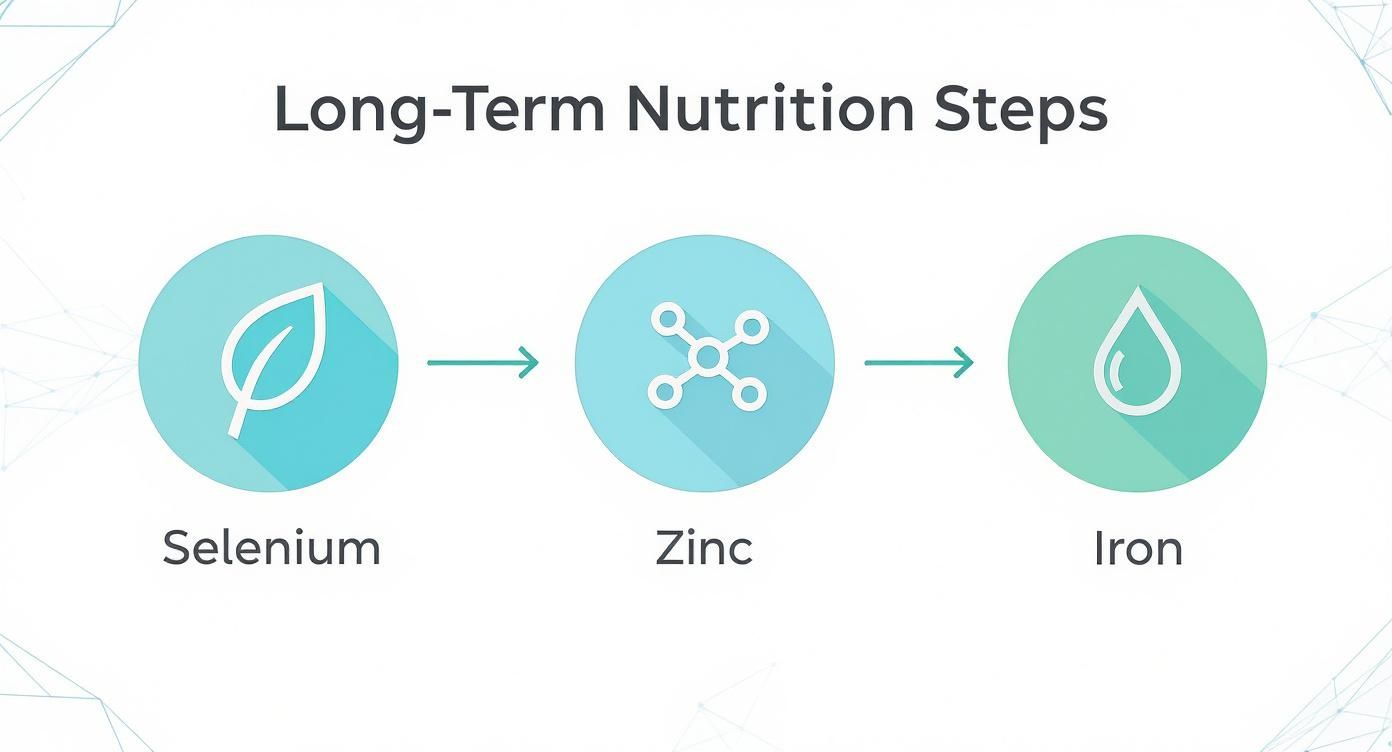
By focusing on foods rich in selenium, zinc, and iron, you’re not just taking your hormone replacement—you’re giving your body the tools it needs to convert it into its active form and put it to work.
Navigating Supplements and High-Fiber Foods
It’s not just about your first meal of the day. Certain supplements and foods are notorious for binding to levothyroxine right in your gut, effectively stopping it from ever reaching your bloodstream. This is especially true for two common minerals: calcium and iron.
To sidestep this problem, you need to create a serious time gap between your thyroid pill and these supplements.
Crucial Timing Window: Always wait at least four hours after taking levothyroxine before you take any supplements containing calcium or iron. This four-hour buffer is your best defense against absorption interference.
This rule also extends to calcium-fortified foods and drinks (like some orange juices or plant-based milks) and high-fiber foods. If you love a very high-fiber breakfast cereal, for example, it’s best to make sure you’re well past that initial 60-minute window. Consistency in your timing is what creates a stable foundation for your diet after thyroid removal.
Creating a Routine That Works for You
Building a predictable routine is the simplest way to take the guesswork out of medication absorption. Some people find that their mornings are just too chaotic and prefer taking their levothyroxine at night, at least four hours after their last meal. This can be a fantastic alternative.
The most important thing is choosing a time you can stick with every single day. That consistency is what your body needs to thrive. To make it crystal clear, here’s a quick guide on what to watch out for.
Levothyroxine and Diet Interaction Guide
| Food/Supplement | Recommended Waiting Period After Levothyroxine | Reason for Interference |
|---|---|---|
| Food and Coffee/Tea | Wait 30-60 minutes | Food and beverages, especially coffee, can significantly reduce the absorption of the medication in the stomach. |
| Calcium Supplements | Wait at least 4 hours | Calcium binds to levothyroxine in the gut, forming an insoluble compound that the body cannot absorb. |
| Iron Supplements | Wait at least 4 hours | Iron forms a complex with levothyroxine, which drastically reduces its bioavailability and effectiveness. |
| High-Fiber Foods/Supplements | Wait at least 4 hours | High amounts of fiber (e.g., psyllium, bran) can bind to the medication and prevent its absorption. |
| Antacids (Tums, Rolaids) | Wait at least 4 hours | These products often contain calcium carbonate or aluminum, which interfere with absorption in the same way as supplements. |
Whether you’re a morning person or a night owl with your medication, the goal is the same: create a reliable, interference-free window that allows your body to get the full dose it needs, day in and day out.
A Realistic Approach to Weight Management
One of the biggest anxieties after a thyroidectomy is the fear of inevitable weight gain. It’s a completely valid concern. Your thyroid, after all, was the master regulator of your metabolism. But it’s critical to understand this: removing the gland does not automatically sentence you to a lifelong struggle with your weight.
The reality is far more nuanced and, thankfully, much more empowering. With the right thyroid medication and some strategic lifestyle shifts, you can absolutely maintain a healthy weight. Think of it less like a losing battle and more like learning a new set of operating instructions for your body’s energy system.
Debunking the Weight Gain Myth
While some studies do show a modest average weight gain after surgery, it’s rarely the dramatic shift people dread. This change is often tied to the initial period before your medication levels are perfectly dialed in. Once your levothyroxine dose is optimized and your TSH (thyroid-stimulating hormone) is stable, your metabolism gets the hormonal support it needs to function properly.
The key is proactive management, not reactive panic. The foundation of a stable weight post-thyroidectomy rests on two pillars: consistent medication and a supportive lifestyle. This is where your diet after thyroid removal becomes one of your most powerful tools for metabolic balance.
Building a Metabolism-Supportive Diet
Your new eating style shouldn’t be about extreme restriction or chasing trendy fad diets—those can throw your hormones into even more chaos. Instead, the goal is to build a sustainable eating pattern around whole, nutrient-dense foods that keep you full and provide steady, reliable energy.
- Prioritize Lean Protein: Foods like chicken, fish, eggs, and legumes are non-negotiable. Protein has a higher thermic effect of food (TEF), meaning your body actually burns more calories just digesting it. It’s also crucial for feeling full longer, which helps curb the urge to overeat.
- Embrace Fiber-Rich Carbohydrates: Swap out refined grains like white bread and pasta for complex carbs that work for you. Think quinoa, oats, sweet potatoes, and a wide array of vegetables. Fiber slows everything down, stabilizing your blood sugar and preventing the energy crashes that trigger cravings.
- Include Healthy Fats: Sources like avocado, nuts, seeds, and olive oil are essential for hormone function and also contribute to satiety. Just remember they are calorie-dense, so mindful portions are key.
Focusing on whole foods like this naturally helps manage your calorie intake without the stress of constant counting. If you’re looking to get more precise, exploring options like metabolic testing for weight loss can provide a practical guide to understanding your body’s unique energy requirements.
The Power of Professional Guidance
Trying to implement all these changes can feel like a lot, but you don’t have to do it alone. Working with a registered dietitian who truly understands the nuances of post-thyroidectomy nutrition can provide a personalized roadmap and make all the difference.
Research has shown that a structured, guided approach is highly effective. One study found that patients who received personalized dietitian counseling focused on a Mediterranean-style diet experienced significantly less weight gain at both 45 days and 12 months post-surgery compared to those without the intervention. You can explore the full study on dietary counseling benefits here.
This just goes to show that having a strategic plan isn’t just helpful—it’s a proven method for getting better results.
Beyond the Plate: Movement and Mindfulness
Finally, remember that diet is only one piece of the puzzle. Gentle, consistent physical activity is crucial for firing up your metabolism. Start with walking and slowly add in activities you actually enjoy. A mix of cardio and strength training is ideal for building calorie-burning muscle mass.
Don’t underestimate the role of stress, either. Practices like yoga or meditation can help manage the stress hormone cortisol, which is notorious for contributing to weight gain, especially around the abdomen. By combining a thoughtful diet, regular movement, and stress management, you create a powerful, holistic strategy for maintaining a healthy weight and truly thriving long after your surgery.
Creating Your Healthcare Support Team
Thriving after a thyroidectomy isn’t a solo mission—it’s about building your personal board of directors for your health. Your surgeon gets you through the operation, but your long-term success depends on forming an ongoing partnership with specialists who know how to fine-tune your new reality.
Think of your endocrinologist as the engineer for your body’s new hormonal operating system. And a registered dietitian? They’re your personal fuel specialist, making sure the engine runs smoothly.
Navigating this new normal means becoming hyper-aware of your body’s signals. Persistent fatigue, brain fog, mood swings that come out of nowhere, or stubborn weight changes aren’t things to just “push through.” Treat them as crucial data points—red flags telling you it’s time to check in with your team.
Knowing Who to Call and When
Each professional on your team plays a distinct but connected role. Understanding who does what makes your care more efficient and far more effective.
- Your Endocrinologist: This is your go-to expert for anything related to hormone replacement. They’re in charge of monitoring your labs (like TSH and Free T4) and adjusting your levothyroxine dose until it’s perfectly dialed in for your body. If you consistently feel “off,” your endocrinologist is the one who can figure out if a medication tweak is the answer.
- A Registered Dietitian (RD): While your endocrinologist manages the medication, an RD translates that medical plan into your daily life. They can design a personalized diet after thyroid removal that supports medication absorption, corrects potential nutrient deficiencies, and helps you hit your weight management targets. Their expertise in navigating the complex dance between food and your new metabolism is invaluable.
Some people also find tremendous value in working with functional medicine practitioners who look at the body as an integrated system. If that approach resonates with you, our guide to the best functional medicine doctors is a great place to start exploring.
Becoming Your Own Best Advocate
You are the most critical member of this team. No one knows your body and its day-to-day fluctuations better than you do. The key to making your consultations productive is to show up prepared.
Keeping a simple journal of your symptoms—noting energy levels, mood, sleep quality, and digestive changes—can provide your doctor with invaluable patterns and insights. This transforms a vague complaint like “I feel tired” into actionable data they can use to help you.
It’s also important to have a realistic perspective on issues like weight. While getting your medication optimized is the top priority, some minor changes can happen. One large-scale analysis found that patients might see a modest weight gain of about 1-2 kg in the years after surgery. Interestingly, that figure often mirrors natural, age-related changes, suggesting that with the right hormone therapy, significant weight gain isn’t a given. You can read the full research about post-thyroidectomy weight changes to get a better handle on the data.
By tracking your symptoms, asking informed questions, and assembling a knowledgeable support team, you move from being a passenger to the driver of your long-term health and well-being.
Your Questions About Diet After Thyroid Removal, Answered
Life after a thyroidectomy brings up a lot of questions, especially about food. It’s completely normal to wonder how your nutritional needs have changed and what you can do to feel your best again.
Think of this as your practical guide to the new normal. Getting the right information is the first step toward fine-tuning your lifestyle and taking back control of your health.
How Does My Diet Affect My Thyroid Medication?
This is the single most important question to ask. The short answer is yes, your diet has a massive impact on how well your thyroid hormone replacement works. The entire game is about absorption. Certain foods, drinks, and especially supplements can latch onto your medication in your gut, preventing it from ever getting into your bloodstream where it needs to be.
To make sure you’re getting the full, consistent dose every single day, these rules are non-negotiable:
- Take Levothyroxine on an Empty Stomach: This is the golden rule. Take your pill with a full glass of plain water, then wait 30-60 minutes before you eat or drink anything else, including your morning coffee.
- Establish a Four-Hour Buffer Zone: Calcium and iron supplements are the biggest offenders when it comes to blocking absorption. You must wait at least four hours after taking your thyroid pill before you take them. This also applies to most antacids.
- Watch Out for High-Fiber Breakfasts: While fiber is fantastic for your health, an extremely high-fiber meal right after your pill can interfere with absorption. It’s best to save that kind of meal for later in the day, outside that initial 60-minute window.
Can I Prevent Weight Gain After My Surgery?
Weight gain is a deep-seated fear for many, but it is absolutely not a foregone conclusion. The main driver of post-thyroidectomy weight gain is an unoptimized dose of medication. Once your endocrinologist dials in the right level of hormone replacement to get your TSH stable, your metabolism has the fuel it needs to work properly.
Your diet is your most powerful ally in this process. Focusing on a whole-foods diet packed with lean protein and fiber will support your metabolic health and keep you feeling full, making it far easier to maintain a healthy weight.
Think of it this way: Your medication sets your body’s metabolic engine speed. Your diet and lifestyle choices determine how efficiently you burn that fuel. They are two halves of the same whole.
Do I Need to Take an Iodine Supplement?
For almost everyone who has had a total thyroidectomy, the answer is a firm no. Your thyroid gland was the only part of your body that used iodine to produce hormones. Now that the gland is gone, there’s no longer a biological need to supplement with it or go out of your way to eat high-iodine foods.
The only real exception is for those who’ve had a partial thyroidectomy and still have some functioning thyroid tissue. In that very specific case, your doctor will give you clear guidance on your iodine needs. For everyone else, your focus is better spent on other crucial minerals like selenium and zinc.
What Is the Best Diet for Long-Term Health?
There’s no magic “thyroidectomy diet” that works for everyone, but the approach that delivers the best long-term results is one built on nutrient-dense, anti-inflammatory whole foods. In practice, this looks a lot like a Mediterranean style of eating.
- What to Focus On: Lean proteins (fish, chicken), a huge variety of colorful vegetables, healthy fats from sources like olive oil and avocados, and fiber-rich carbs like beans, lentils, and quinoa.
- What to Limit: Highly processed foods, refined sugars, and industrial seed oils. These are known to fuel inflammation and can throw your metabolic balance out of whack.
This isn’t just about managing your thyroid health; it’s a sustainable strategy for a vibrant, healthy life—improving everything from your heart health to your mental clarity.
Finding the right medical experts to guide you on this journey is crucial for achieving the best outcomes. At Haute MD, we connect discerning patients with the nation’s leading endocrinologists and dietitians who specialize in precision, outcome-driven care. Explore our curated network of top-tier physicians to build your ideal healthcare team today.