TMJ Relief in New York: Dr. Mimi Yeung on Treating Jaw Pain at the Source
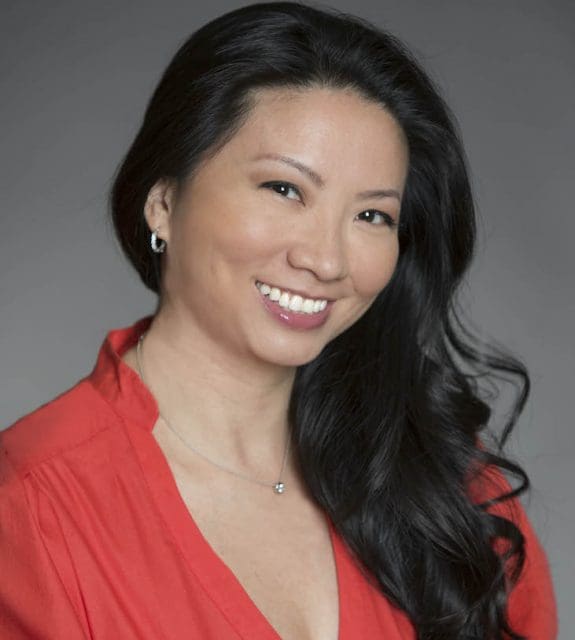
Mimi Yeung
New York, NY
Jaw tension, headaches, and facial discomfort are often dismissed as minor annoyances, but for many patients these symptoms point to a more complex issue: temporomandibular joint (TMJ) dysfunction. Dr. Mimi Yeung of M.Y. Dental Spa in New York focuses on identifying the underlying cause and tailoring treatment to restore comfort, function, and balance.
What Is TMJ Disorder and Why Does It Happen?
The temporomandibular joint is one of the most frequently used joints in the body, responsible for chewing, speaking, and even subtle facial expressions. When this joint becomes strained or misaligned, it can trigger a cascade of symptoms — jaw pain, clicking or popping sounds, limited mobility, and chronic headaches or ear discomfort.
TMJ disorders develop for a variety of reasons. Stress is a major contributor, often leading to clenching or grinding (bruxism), especially during sleep. Structural issues such as misaligned teeth or bite irregularities can place undue pressure on the joint, and trauma to the jaw may also be a root cause. Because TMJ is multifactorial, understanding each patient's unique triggers is essential to building an effective treatment plan.
Beyond the Jaw: How TMJ Impacts Whole-Body Wellness
While TMJ is often associated with localized jaw pain, its effects extend far beyond the face. Many patients experience tension headaches, neck stiffness, and shoulder pain as a result of chronic jaw strain. Sleep disturbances are common, particularly in patients who grind their teeth at night, leading to fatigue and a decreased quality of life.
Untreated TMJ can also contribute to long-term dental damage. Constant grinding wears down enamel, increases tooth sensitivity, and can lead to fractures or gum recession over time. Addressing TMJ early protects both oral and overall physical health.
Modern, Non-Invasive TMJ Treatments
Effective TMJ treatment requires a comprehensive, individualized approach. For many patients, non-invasive therapies provide significant relief:
- Custom nightguards to prevent grinding and reduce strain on the joint during sleep.
- Targeted muscle relaxation and in-office injectables to alleviate tension in overactive jaw muscles, with both therapeutic and aesthetic benefits.
- Bite alignment evaluation for more complex cases requiring deeper functional analysis.
Dr. Mimi Yeung emphasizes a conservative, step-by-step approach — starting with the least invasive options and progressing only as needed. This ensures treatment is sustainable and addresses the root cause rather than offering a temporary fix.
A Personalized Path to Lasting Relief
TMJ is not a one-size-fits-all condition. By combining clinical expertise with a nuanced understanding of each patient's lifestyle, habits, and anatomy, Dr. Mimi Yeung creates tailored treatment plans designed for long-term relief. Whether symptoms are mild or advanced, early intervention can make a meaningful difference.
Frequently Asked Questions About TMJ
What are the most common signs of TMJ dysfunction?
Persistent jaw pain, clicking or popping sounds when opening the mouth, limited jaw mobility, frequent headaches, ear discomfort, and tooth sensitivity from nighttime grinding are the most common signs.
Can TMJ be treated without surgery?
Yes. Most TMJ cases respond well to non-invasive treatments such as custom nightguards, muscle relaxation injectables, and bite optimization. Surgery is rarely the first step.
Where can I find expert TMJ treatment in New York?
Dr. Mimi Yeung treats TMJ patients at M.Y. Dental Spa in New York, NY, offering personalized, conservative care for jaw pain, bruxism, and bite-related concerns.
Schedule a TMJ Consultation in New York
If you are experiencing persistent jaw pain, headaches, or signs of teeth grinding, expert evaluation is the first step toward relief. Schedule a consultation with Dr. Mimi Yeung at M.Y. Dental Spa in New York to explore a personalized approach to TMJ treatment and restore comfort, function, and balance.
Articles are independently produced by the Haute Living editorial team. Featured physicians are members of the Haute MD Network — inclusion does not influence editorial coverage or rankings.