



The quest for a longer, healthier life has moved from science fiction into the modern physician’s office. At the forefront of this evolution are peptides, small chains of amino acids that act as powerful signaling molecules capable of orchestrating complex biological processes. Unlike broad-spectrum supplements, peptides offer targeted, precise interventions that can restore youthful cellular function, combat age-related decline, and optimize metabolic health. This isn’t about simply extending lifespan; it’s about enhancing healthspan, the period of life spent in good health and free from chronic disease.
However, navigating the expanding landscape of peptide therapy requires clinical expertise and a rigorous, evidence-based approach. The internet is saturated with misinformation, making it difficult for discerning patients and even clinicians to separate hype from legitimate medical science. Selecting the right peptide, understanding its mechanism, and ensuring proper administration are critical for achieving desired outcomes safely. Without expert guidance, patients risk ineffective treatments or, worse, adverse health consequences.
This definitive guide provides that clarity. We will explore the science behind the best peptides for longevity, offering a clinician-framed perspective on these advanced therapies. For each peptide covered, you will learn:
- Mechanism of Action: How it works at a cellular level.
- Clinical Evidence: A summary of research supporting its use for longevity.
- Benefits and Risks: A balanced view of potential outcomes and safety considerations.
- Practical Guidance: Insights on dosing, patient suitability, and how to access treatment through vetted medical specialists.
This article cuts through the noise to deliver an actionable, medically sound overview of how peptides are shaping the future of proactive, longevity-focused medicine.
1. NAD+ Boosting Peptides (NMN & NR Precursors)
While not peptides in the traditional sense, the precursors that build Nicotinamide Adenine Dinucleotide (NAD+), such as Nicotinamide Mononucleotide (NMN) and Nicotinamide Riboside (NR), are foundational in modern longevity protocols. NAD+ is a vital coenzyme present in every cell of your body, acting as a critical linchpin for energy metabolism, DNA repair, and cellular signaling. Its levels naturally decline by as much as 50% between the ages of 40 and 60, a drop linked to many age-related dysfunctions.
Replenishing NAD+ pools via precursors is a key strategy among the best peptides for longevity because it directly addresses this metabolic decline. By providing the raw materials, these compounds support the cellular machinery responsible for healthspan extension.
Mechanism of Action
NMN and NR act as direct precursors to NAD+. Once ingested, they are converted through enzymatic pathways into NAD+, effectively refilling the cell’s dwindling supply. This restoration has several powerful downstream effects:
- Sirtuin Activation: NAD+ is a required substrate for sirtuins, a class of proteins often called “longevity genes.” Activated sirtuins regulate DNA repair, inflammation, and metabolic efficiency.
- Mitochondrial Support: It enhances mitochondrial function and promotes mitochondrial biogenesis, the creation of new mitochondria, which are the powerhouses of our cells.
- PARP Enzyme Fuel: NAD+ fuels Poly (ADP-ribose) polymerase (PARP) enzymes, which are essential for repairing damaged DNA, a constant process that becomes less efficient with age.
Potential Benefits and Clinical Evidence
Leading researchers, including Harvard’s David Sinclair, have popularized NMN for its potential to reverse aspects of cellular aging in preclinical models. While human trials are still emerging, initial studies and extensive anecdotal reports from executive health programs suggest benefits such as:
- Improved cellular energy and reduced fatigue.
- Enhanced metabolic health, including better insulin sensitivity.
- Support for cognitive function and neuroprotection.
- Improved physical performance and muscle endurance.
Expert Insight: “We view NAD+ optimization as a non-negotiable cornerstone of any serious longevity program. It’s like ensuring your car has enough oil before you try to tune the engine. Restoring NAD+ levels creates the right cellular environment for other interventions, like growth hormone secretagogues or senolytics, to work more effectively.” – Longevity Medicine Specialist
Practical Considerations for Patients
For individuals considering this therapy, a structured, clinician-guided approach is essential.
- Baseline Testing: Before starting, it is advisable to get a baseline intracellular NAD+ level test to quantify your need and track progress.
- Strategic Stacking: For enhanced sirtuin activation, clinicians often recommend pairing NMN or NR with a sirtuin activator like resveratrol or its more bioavailable cousin, pterostilbene.
- Dosing Protocols: Dosing is patient-specific, but common protocols involve daily supplementation. Some practitioners suggest cycling (e.g., 5 days on, 2 days off) to maintain cellular sensitivity, though evidence for this is still developing.
- Accessing Treatment: NMN and NR are available over the counter, but for clinical-grade protocols, it is best to consult a physician specializing in longevity or performance medicine. They can integrate this therapy into a comprehensive plan that includes monitoring and adjustments based on your unique biomarkers and health goals.
2. Senolytics & Senomorphic Peptides (Targeting Senescent Cells)
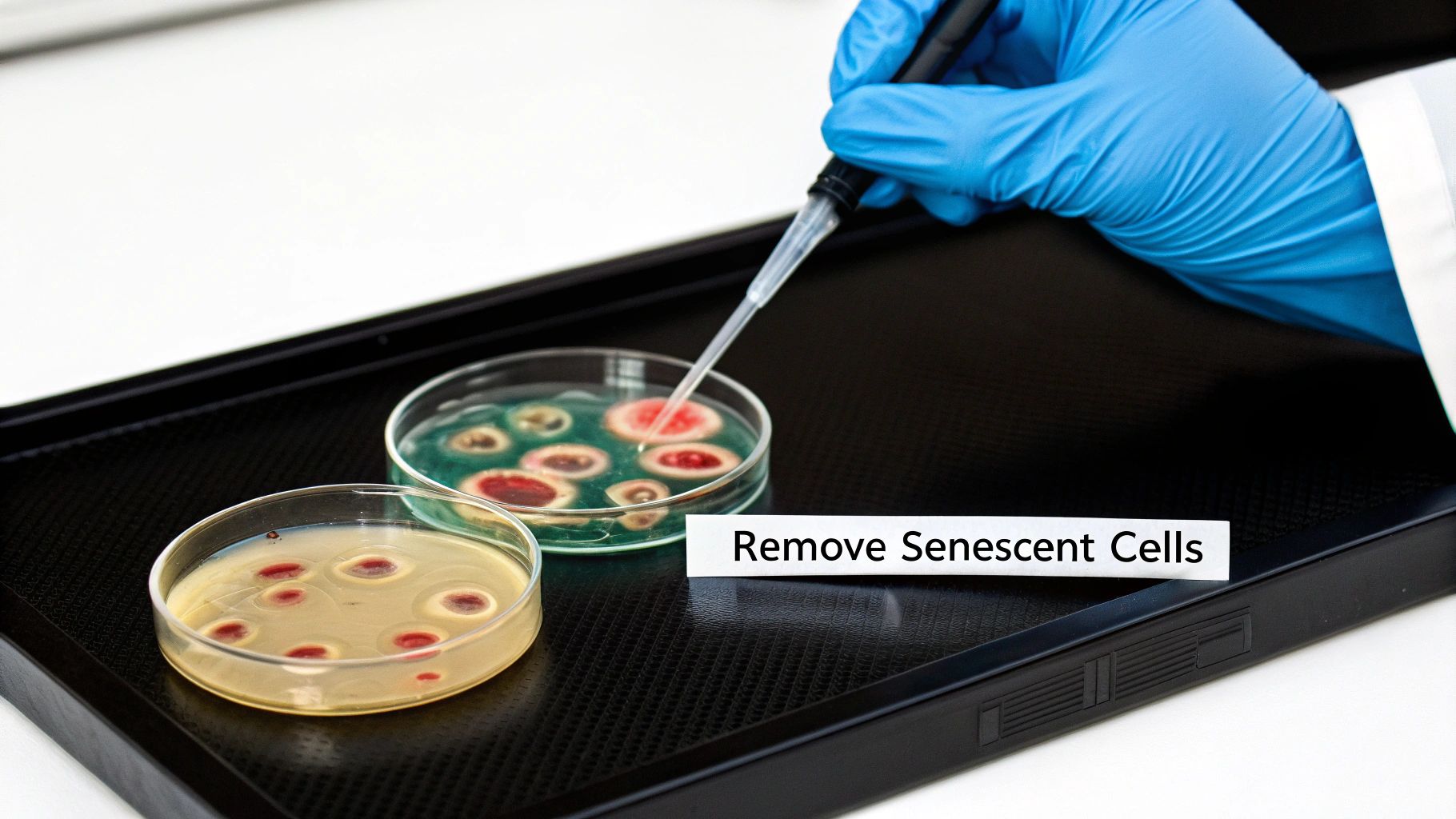
Senolytic therapy represents a paradigm shift in anti-aging medicine, moving from supporting cellular health to actively removing dysfunctional “zombie” cells. These senescent cells accumulate with age, ceasing to divide but remaining metabolically active. They secrete a cocktail of inflammatory molecules known as the Senescence-Associated Secretory Phenotype (SASP), which degrades surrounding tissue, promotes chronic inflammation, and drives numerous age-related diseases.
Targeting these cells is a powerful strategy among the best peptides for longevity. By selectively eliminating senescent cells (senolytics) or neutralizing their harmful secretions (senomorphics), this approach helps to reset the tissue environment, reduce systemic inflammation, and restore more youthful function.
Mechanism of Action
Senolytic peptides and compounds work by exploiting the pro-survival pathways that senescent cells over-express to resist apoptosis (programmed cell death). By inhibiting these specific pathways, senolytics can trigger apoptosis selectively in senescent cells while leaving healthy cells unharmed. The key mechanisms include:
- Targeted Apoptosis: Peptides can be designed to block specific anti-apoptotic proteins (like BCL-2 family members) that are highly active in senescent cells, effectively pushing the self-destruct button only on these harmful cells.
- SASP Neutralization: Senomorphic compounds, while not killing the cells, alter their gene expression to suppress the secretion of inflammatory SASP factors, thereby reducing their negative impact on neighboring tissues.
- Immune System Support: By clearing out senescent cells, these therapies can also improve the immune system’s ability to conduct its own surveillance and removal of dysfunctional cells.
Potential Benefits and Clinical Evidence
Research pioneered by institutions like the Mayo Clinic’s Center on Aging has demonstrated the transformative potential of clearing senescent cells in preclinical models, showing reversal of age-related conditions like osteoarthritis, frailty, and cardiovascular decline. Human studies are now underway, with early results and clinical use suggesting significant benefits:
- Reduced systemic and localized inflammation.
- Improved joint health and mobility.
- Enhanced metabolic function and organ health.
- Potential for rejuvenation of skin and other tissues.
Expert Insight: “Senolytic therapy is one of the most exciting frontiers in longevity medicine. It’s a true rejuvenation strategy, not just maintenance. We are clearing away the cellular debris that accelerates aging. Performing this ‘cellular housekeeping’ periodically may dramatically improve healthspan by mitigating the root causes of age-related decline.” – Regenerative Medicine Physician
Practical Considerations for Patients
Given the potent nature of this therapy, a precise, physician-guided protocol is non-negotiable.
- Baseline Testing: Before treatment, clinicians may recommend measuring senescence burden through blood biomarkers (e.g., p16/p21, IL-6, hs-CRP) or a skin biopsy to establish a baseline and confirm the need for intervention.
- Strategic Stacking: Senolytic cycles are often followed by pro-regenerative therapies. Combining senolytics with anti-inflammatory protocols (omega-3s, curcumin) can enhance the body’s recovery and amplify the benefits.
- Dosing Protocols: Treatment is typically administered in short, intermittent cycles (e.g., a few consecutive days once or twice per year) rather than continuous dosing. This “hit-and-run” approach clears senescent cells and then allows the body to heal.
- Accessing Treatment: Senolytic protocols are advanced and should only be administered by physicians specializing in longevity and regenerative medicine. These experts can design a personalized plan using compounds like Dasatinib and Quercetin (D+Q), Fisetin, or newer peptide-based senolytics, ensuring proper timing, dosing, and follow-up monitoring for safety and efficacy.
3. GLP-1 Receptor Agonist Peptides (Semaglutide, Tirzepatide)
While originally developed for managing type 2 diabetes, GLP-1 (glucagon-like peptide-1) receptor agonists like semaglutide and tirzepatide have emerged as powerhouse tools in longevity medicine. These synthetic peptide hormones mimic the action of our natural incretin hormones, profoundly influencing appetite, blood glucose, and overall metabolic health. Their mainstream adoption in executive health programs and by wellness-focused individuals stems from their remarkable ability to address metabolic dysfunction, a core driver of aging.
As some of the most clinically validated compounds on this list, GLP-1 agonists are considered among the best peptides for longevity because they directly combat visceral adiposity, insulin resistance, and systemic inflammation. These factors are heavily implicated in the development of age-related diseases, from cardiovascular conditions to neurodegeneration.

Mechanism of Action
Semaglutide and tirzepatide function by activating GLP-1 receptors in the brain, pancreas, and gastrointestinal tract. This multi-faceted mechanism triggers several key anti-aging effects:
- Appetite Regulation: They act on the hypothalamus to increase feelings of satiety and reduce hunger signals, leading to a natural reduction in caloric intake.
- Glycemic Control: These peptides stimulate insulin secretion from the pancreas in a glucose-dependent manner and suppress glucagon release, which helps stabilize blood sugar and improve insulin sensitivity.
- Cardiovascular Protection: Beyond weight loss, GLP-1 agonists have demonstrated direct benefits on the cardiovascular system, including reducing inflammation, lowering blood pressure, and improving lipid profiles.
- Neuroprotection: Emerging research suggests these peptides may have neuroprotective effects, potentially by reducing inflammation in the brain and supporting neuronal health.
Potential Benefits and Clinical Evidence
The benefits of GLP-1 agonists are supported by extensive large-scale clinical trials (e.g., the SELECT trial for semaglutide) and widespread clinical use in longevity practices. Patients often report transformative results that extend beyond the number on the scale:
- Significant and sustained weight loss, particularly visceral fat.
- Drastic improvements in key metabolic markers like HbA1c, fasting insulin, and triglycerides.
- Reduced risk of major adverse cardiovascular events (MACE), including heart attack and stroke.
- Decreased systemic inflammation, as measured by markers like C-reactive protein (CRP).
Expert Insight: “Metabolic health is the foundation of longevity. GLP-1 agonists are the most effective tool we have today to reset a patient’s metabolic baseline. By correcting insulin resistance and reducing adiposity-driven inflammation, we’re not just managing weight; we’re fundamentally altering their aging trajectory and reducing their risk for nearly every chronic disease.” – Board-Certified Bariatric Physician
Practical Considerations for Patients
A physician-supervised protocol is crucial for safely and effectively using these potent peptides.
- Titration Protocol: Treatment must begin at a low introductory dose and be titrated up slowly over weeks or months to minimize gastrointestinal side effects like nausea.
- Muscle Mass Preservation: To counteract the risk of sarcopenia (muscle loss) during rapid weight loss, a structured strength training program and a high-protein diet (1.2-1.6g per kg of body weight) are non-negotiable.
- Monitoring and Safety: Regular check-ins with your provider are essential to monitor for rare but serious side effects, such as pancreatitis, and to adjust dosing as needed.
- Accessing Treatment: These peptides are available by prescription only. Consulting with a physician specializing in longevity or metabolic health is the best way to determine if you are a suitable candidate and to access a comprehensive protocol that integrates nutrition and exercise. To learn more about optimizing your metabolic well-being, you can find a practical guide to improve metabolic health.
4. Human Growth Hormone (HGH) & Growth Hormone-Releasing Peptides (GHRP, CJC-1295)
The decline of Human Growth Hormone (HGH) is a hallmark of aging, decreasing by approximately 14% per decade after age 30. This drop directly contributes to many signs of senescence, including sarcopenia (muscle loss), increased body fat, reduced bone density, and diminished physical function. While direct HGH replacement has been used, a more sophisticated and physiologic strategy involves Growth Hormone-Releasing Peptides (GHRPs) like ipamorelin and Growth Hormone-Releasing Hormones (GHRHs) like CJC-1295.
These peptides stimulate the body’s own pituitary gland to produce and release HGH in a natural, pulsatile manner, mimicking youthful secretion patterns. This bio-identical approach is a cornerstone therapy in longevity medicine, aiming to preserve lean mass, optimize metabolism, and maintain physical capacity, making it one of the best peptides for longevity.
Mechanism of Action
GHRPs and GHRHs work synergistically to amplify the body’s endogenous HGH production, offering a more nuanced effect than exogenous HGH injections.
- Pulsatile Stimulation: Unlike a single large dose of synthetic HGH, these peptides encourage the pituitary to release HGH in natural bursts. This preserves the sensitive feedback loops that regulate hormone levels, reducing the risk of pituitary shutdown.
- Synergistic Signaling: CJC-1295 (a GHRH) increases the amount of HGH the pituitary produces, while ipamorelin (a GHRP) signals for its release. The combination creates a powerful, yet controlled, elevation in HGH levels.
- Downstream Effects: The resulting increase in HGH stimulates the liver to produce Insulin-like Growth Factor 1 (IGF-1), the primary mediator of HGH’s anabolic and restorative effects on muscle, bone, and other tissues.
Potential Benefits and Clinical Evidence
Extensively used in executive health and regenerative medicine, this class of peptides is favored for its targeted effects on body composition and physical resilience. Clinical and anecdotal evidence points to several key benefits:
- Improved lean muscle mass and reduced visceral (belly) fat.
- Enhanced bone density and support for connective tissue health.
- Better sleep quality, as HGH is primarily released during deep sleep.
- Accelerated recovery from exercise and injury.
Expert Insight: “Optimizing the GH/IGF-1 axis is fundamental for reversing age-related decline in body composition. We favor a ‘start low, go slow’ approach with peptide secretagogues because it respects the body’s natural endocrine rhythms. It’s not about creating supra-physiologic levels; it’s about restoring a youthful hormonal environment to maintain strength, vitality, and metabolic health long-term.” – Performance Medicine Physician
Practical Considerations for Patients
A clinician-supervised protocol is crucial for safety and efficacy when using GH-releasing peptides.
- Baseline Testing: Comprehensive lab work is non-negotiable before starting. This includes IGF-1 levels, a full hormone panel, and metabolic markers like fasting glucose and HbA1c to screen for contraindications.
- Strategic Stacking: For a synergistic effect on lean mass and vitality, clinicians often combine this therapy with testosterone optimization in men or bio-identical hormone replacement in women.
- Dosing Protocols: Dosing is highly individualized. Protocols often involve subcutaneous injections administered at night to align with the body’s natural circadian rhythm of HGH release. Cycling, such as 3-4 months on followed by a rest period, is common to maintain pituitary sensitivity.
- Accessing Treatment: These are prescription-only therapies. Consulting with a physician specializing in age management or hormone optimization is the only safe and legal way to access and manage a protocol tailored to your specific health profile and goals.
5. Thymosin Alpha-1 (Tα1) & Thymic Peptides (Immune System Restoration)
A robust immune system is a cornerstone of a long and healthy life, yet it naturally weakens with age in a process called immunosenescence. This decline is largely driven by the involution, or shrinkage, of the thymus gland, the primary organ responsible for maturing T-cells. Thymosin Alpha-1 (Tα1) is an endogenous peptide originally isolated from the thymus that serves as a powerful immune modulator, directly counteracting this age-related immune decline.
Utilizing thymic peptides like Tα1 is a targeted strategy among the best peptides for longevity because it restores the body’s primary defense system. By rejuvenating immune surveillance and response, this therapy helps protect against infections, chronic inflammation, and even certain cancers, all of which accelerate the aging process.
Mechanism of Action
Thymosin Alpha-1 functions as a master regulator of the immune system, particularly enhancing the function of T-cells, which are critical for cell-mediated immunity. It binds to receptors on immune cells and orchestrates a cascade of beneficial effects:
- T-Cell Maturation: It promotes the differentiation and maturation of progenitor T-cells into functional cytotoxic (“killer”) T-cells and helper T-cells within the thymus and peripheral tissues.
- NK Cell Activation: Tα1 enhances the activity of Natural Killer (NK) cells, the immune system’s first line of defense against viral infections and malignant cells.
- Cytokine Modulation: It helps balance the immune response by stimulating the production of helpful cytokines (like IL-2 and Interferon-gamma) while reducing pro-inflammatory signals, preventing an overactive or dysfunctional immune state.
Potential Benefits and Clinical Evidence
Tα1 (as Zadaxin) is an approved drug in over 35 countries for treating viral infections like Hepatitis B and C and as an immune adjuvant in certain cancers and vaccine administration. Its use in longevity medicine is based on this strong foundation of immunological research. Clinical and anecdotal reports from advanced medical practices suggest benefits such as:
- Reduced frequency and severity of seasonal illnesses and infections.
- Enhanced response to vaccines, including influenza and pneumococcal vaccines.
- Modulation of chronic inflammation associated with age-related diseases.
- Support for post-surgical recovery and improved wound healing.
Expert Insight: “Immunosenescence is not a passive process; it’s an active driver of aging. Restoring thymic function with peptides like Tα1 is like upgrading your body’s internal security system. We’re not just preventing illness; we’re reducing the low-grade inflammatory ‘smolder’ that degrades tissues and organs over time, which is fundamental to extending healthspan.” – Regenerative Medicine Physician
Practical Considerations for Patients
For individuals seeking to bolster their immune resilience, a physician-led protocol is crucial for safety and efficacy.
- Baseline Testing: A comprehensive immune panel, including lymphocyte subset analysis and NK cell function tests, is recommended before starting therapy to establish a baseline and tailor the protocol.
- Synergistic Stacking: Clinicians may combine Tα1 with other reparative peptides, such as Thymosin Beta-4 (TB-500) for tissue repair or BPC-157 for systemic healing, to create a more comprehensive regenerative effect.
- Dosing Protocols: Dosing is highly individualized. Protocols might involve a short “loading” phase followed by maintenance doses, often administered subcutaneously. Some physicians recommend seasonal cycles, with more frequent administration during high-risk months like winter.
- Accessing Treatment: Thymosin Alpha-1 is available by prescription only. Consulting with a physician specializing in longevity or immunology is the proper route to determine if you are a suitable candidate and to access a high-quality, clinically guided treatment plan.
6. Thymosin Beta-4 (Tβ4) & Synthetic Derivatives (BPC-157) – Tissue Repair & Regeneration
Thymosin beta-4 (Tβ4) is a naturally occurring peptide that plays a central role in your body’s innate repair processes. Found in high concentrations within platelets and immune cells, it is a primary driver of wound healing, tissue regeneration, and the formation of new blood vessels (angiogenesis). As we age, our ability to heal and recover from injury diminishes, a decline linked to lower levels of critical repair factors like Tβ4.
Addressing this deficit is why Tβ4 and its potent, gut-stable derivative BPC-157 are considered among the best peptides for longevity. They directly bolster the body’s capacity to maintain and regenerate its own tissues, from joints and muscles to the lining of the gut. This focus on systemic repair is a proactive strategy to counteract the gradual structural breakdown that defines the aging process.

Mechanism of Action
Tβ4 and BPC-157 promote healing through a multi-faceted signaling cascade. Rather than just patching up damage, they orchestrate a comprehensive regenerative response that addresses the root causes of tissue degradation and improves overall resilience.
- Cell Migration & Proliferation: They stimulate the migration of stem cells, endothelial cells (which line blood vessels), and keratinocytes (skin cells) to the site of injury, accelerating the rebuilding process.
- Angiogenesis: Both peptides promote the growth of new blood vessels from existing ones. This is crucial for delivering oxygen, nutrients, and immune cells to damaged tissues, facilitating faster recovery.
- Anti-inflammatory Effects: They modulate the inflammatory response, reducing chronic inflammation that can inhibit proper healing and contribute to age-related diseases. BPC-157 is particularly noted for its protective effects on the gastrointestinal tract.
Potential Benefits and Clinical Evidence
While much of the research is preclinical, the results are compelling and have led to widespread adoption in sports medicine and regenerative clinics. The focus of these peptides is less on overt “rejuvenation” and more on fundamental preservation of tissue integrity and function.
- Accelerated healing of muscle, tendon, and ligament injuries.
- Protection and repair of the gastrointestinal lining (often used for leaky gut and IBD).
- Improved joint health and reduced pain from overuse or age-related wear.
- Enhanced recovery from surgical procedures and physical trauma.
Expert Insight: “We use Tβ4 and BPC-157 not just for acute injuries in athletes, but as a foundational therapy for older patients experiencing a slowdown in their natural repair capabilities. Preserving joint function and gut health is fundamental to maintaining an active, high-quality life. These peptides give us a direct tool to support the body’s own regenerative machinery.” – Regenerative Medicine Specialist
Practical Considerations for Patients
For those exploring Tβ4 or BPC-157, a clinically supervised protocol is crucial for safety and efficacy. These are powerful compounds that require precise application.
- Targeted Application: These peptides are often administered via subcutaneous injection near the site of injury (e.g., near an aching shoulder or knee) to maximize local concentration and therapeutic effect.
- Strategic Stacking: For comprehensive tissue support, clinicians may pair these peptides with growth hormone secretagogues to enhance systemic repair, or with anti-inflammatory protocols like NAD+ optimization to create an ideal healing environment.
- Dosing Protocols: Treatment is typically cyclical, with common protocols lasting 8 to 12 weeks followed by a break. This approach is designed to stimulate repair without creating dependency or tolerance.
- Accessing Treatment: Due to their status as research compounds, Tβ4 and BPC-157 must be prescribed by a physician through a compounding pharmacy. To explore this option safely, consult with a specialist in regenerative medicine who can assess your suitability and design a personalized treatment plan based on your specific health needs and goals.
7. Kisspeptin & LH-RH Agonists (Reproductive Axis Optimization for Longevity)
The decline of the reproductive axis, governed by the hypothalamus-pituitary-gonadal (HPG) axis, is a hallmark of aging. This leads to diminished production of crucial sex hormones like testosterone and estrogen, directly contributing to muscle loss (sarcopenia), decreased bone density, cognitive changes, and metabolic dysfunction. Kisspeptin and related Luteinizing Hormone-Releasing Hormone (LH-RH) agonists are at the forefront of neuroendocrine strategies to counteract this decline, making them powerful tools among the best peptides for longevity.
Rather than simply replacing downstream hormones, these peptides target the master regulators in the brain. This approach aims to restore the entire hormonal cascade to a more youthful and functional state, addressing a primary driver of age-related frailty and decline at its source.
Mechanism of Action
Kisspeptin is a neuropeptide that acts as the primary upstream activator of Gonadotropin-Releasing Hormone (GnRH), which in turn signals the pituitary to release Luteinizing Hormone (LH) and Follicle-Stimulating Hormone (FSH). These gonadotropins then stimulate the testes or ovaries to produce sex hormones. The natural, pulsatile release of these signals diminishes with age.
- HPG Axis Restoration: Kisspeptin and its analogues directly stimulate GnRH neurons in a physiological, pulsatile manner, effectively rejuvenating the entire HPG axis communication system.
- Endogenous Hormone Production: By reactivating the body’s own signaling, these peptides promote the natural production of testosterone and estrogen, preserving the essential feedback loops that conventional hormone replacement can sometimes bypass.
- Neuroendocrine Optimization: This top-down approach not only influences sex hormones but also has wider effects on mood, metabolism, and libido, as kisspeptin receptors are found in various brain regions.
Potential Benefits and Clinical Evidence
Pioneering research from institutions like Imperial College London has highlighted kisspeptin’s critical role in reproductive health and its potential as a therapeutic. While many applications are still in clinical trials or used off-label in specialized centers, evidence and clinical experience point toward significant benefits:
- Reversal of age-related hypogonadism in men and women.
- Improved lean muscle mass, bone density, and physical function.
- Enhanced libido, mood, and cognitive vitality.
- Support for a more youthful metabolic profile.
Expert Insight: “Targeting the HPG axis with kisspeptin is a paradigm shift. Instead of just managing the downstream consequences of hormonal decline, we are intervening at the command-and-control level in the brain. It’s about restoring the body’s innate ability to regulate itself, which is a far more elegant and potentially safer long-term strategy for longevity.” – Reproductive Endocrinologist
Practical Considerations for Patients
This advanced therapy requires meticulous oversight from a physician specializing in endocrinology or reproductive medicine.
- Comprehensive Baseline Testing: A complete hormone panel is non-negotiable before starting. This must include kisspeptin, GnRH, LH, FSH, total and free testosterone, estradiol, and SHBG to establish a clear baseline.
- Specialist-Led Dosing: Dosing is highly individualized and often involves mimicking the body’s natural pulsatile release, requiring precise protocols developed by an expert.
- Frequent Monitoring: Expect frequent lab work, especially in the initial months, to titrate the dose for optimal effect while ensuring all hormonal markers remain within a safe, youthful physiological range.
- Accessing Treatment: This is not an over-the-counter therapy. It is administered in specialized longevity clinics and academic centers. A deep dive into hormone optimization for longevity with a qualified practitioner is the essential first step to determine if you are a suitable candidate for this cutting-edge treatment.
Top 7 Longevity Peptides Comparison
| Intervention | Complexity 🔄 | Resources & Cost ⚡ | Expected outcomes 📊 | Ideal use cases 💡 | Key advantages ⭐ |
|---|---|---|---|---|---|
| NAD+ Boosting Peptides (NMN & NR Precursors) | Low–Moderate — oral supplementation, simple protocols | Oral daily dosing (250–1000 mg); moderate cost; OTC supplements | Improves mitochondrial function, metabolic markers, DNA repair (modest–consistent) | Metabolic optimization, early aging prevention, adjunct to lifestyle interventions | Well-researched in humans; favorable safety; synergizes with other longevity measures |
| Senolytics & Senomorphic Peptides | High — targeted intermittent protocols, timing-sensitive | Intermittent dosing (monthly cycles); specialized sourcing and monitoring; high cost | Potentially large reductions in senescent burden and inflammation; tissue function gains (promising) | Frailty, multimorbidity, age-related functional decline, post-disease recovery | Targets core aging mechanism (senescent cells); intermittent use may limit exposure |
| GLP-1 Receptor Agonist Peptides (Semaglutide, Tirzepatide) | Moderate — prescription injections, titration needed | Weekly subcutaneous injections; high cost; medical supervision required | Marked weight loss, improved glycemic control, reduced CV risk and inflammation (strong evidence) | Obesity, metabolic syndrome, high cardiovascular risk, metabolic optimization | Strongest clinical evidence; multi-system benefits; accessible via standard care |
| HGH & GHRP (Ipamorelin, CJC-1295) | High — frequent injections, endocrine monitoring required | Multiple weekly injections; specialist oversight, substantial cost | Restores lean mass, reduces visceral fat, improves bone density and recovery (robust for deficiency) | Sarcopenia, recovery optimization, body-composition focused protocols | Physiologic GH restoration (preserves pulsatility); significant body-composition effects |
| Thymosin Alpha‑1 (Tα1) & Thymic Peptides | Moderate — injectable, established dosing regimens | 2–3x weekly injections; moderate cost; available clinically for some indications | Restores T‑cell function, enhances vaccine response, reduces infection risk (clinically supported) | Immunosenescence, vaccine optimization, perioperative or immunocompromised care | Directly addresses immune aging; good safety profile; approved indications increase credibility |
| Thymosin Beta‑4 (Tβ4) & BPC‑157 (Tissue Repair) | Moderate — local/systemic injections or oral (BPC‑157); technique-sensitive | Daily or several-times-weekly dosing; moderate cost; largely off‑label/research sourcing | Accelerates wound healing, angiogenesis, tissue/regenerative repair (strong preclinical, limited clinical) | Sports injury, post‑surgical recovery, tendon/soft‑tissue repair, skin health | Potent regenerative and repair effects; low systemic side effects reported |
| Kisspeptin & LH‑RH Agonists (Reproductive Axis) | Very High — IV/SC administration in research settings; complex endocrinology | Often research-only routes/infusions or specialist injections; very high cost and intensive monitoring | Restores pulsatile reproductive hormones, improves sex-hormone profiles and downstream physiology (early data) | Hypogonadism, fertility preservation, neuroendocrine optimization in specialized centers | Preserves physiologic feedback and fertility potential; targets neuroendocrine root of age-related hormone decline |
Your Next Steps: Integrating Peptide Therapy into a Personalized Longevity Plan
Navigating the landscape of advanced longevity science can feel like decoding a complex new language, but as we have explored, the central message is one of profound potential. The peptides detailed in this guide, from NAD+ boosters and senolytics to GHRPs and immune-modulating thymic factors, represent the forefront of proactive, precision-based medicine. Each targets a specific, fundamental mechanism of aging, offering a powerful toolkit for enhancing cellular health, optimizing metabolic function, and fortifying the very systems that define our vitality.
The core takeaway is not simply a list of the best peptides for longevity, but a deeper understanding of the strategic, personalized approach required to leverage them effectively. This is not about finding a single “fountain of youth” in a vial. Instead, it is about building a comprehensive, data-driven strategy that addresses your unique biological blueprint. Your journey should be guided by diagnostics, tailored to your specific goals, and continuously refined based on objective biomarkers and clinical outcomes.
The Pillars of a Successful Peptide Protocol
To translate this knowledge into meaningful action, it is essential to move beyond the “what” and focus on the “how.” A successful and safe peptide protocol is built on three non-negotiable pillars:
- Comprehensive Diagnostics: Before a single peptide is considered, a deep dive into your health is paramount. This includes advanced bloodwork (hormone panels, inflammatory markers, metabolic function), genetic testing, and a thorough assessment of your personal health history and lifestyle factors. This data forms the foundation upon which your entire plan is built.
- Expert Medical Supervision: The peptides discussed are potent biochemical signals. Their power lies in precise application, correct dosing, and careful monitoring, all of which demand the guidance of a physician with specialized training in longevity and regenerative medicine. Self-prescribing or sourcing from unregulated online channels introduces unacceptable risks, from contaminated products to dangerous side effects and unintended hormonal disruptions.
- An Integrated Longevity Strategy: Peptides are powerful amplifiers, not silver bullets. Their benefits are maximized when integrated into a holistic lifestyle that includes optimized nutrition, a tailored exercise regimen, stress management protocols, and restorative sleep. Your physician will help you synergize these elements, ensuring that your peptide therapy supports and enhances a foundation of robust health.
From Information to Transformation
The ultimate value of mastering these concepts lies in empowerment. By understanding the mechanisms behind peptides like Semaglutide, BPC-157, and Epitalon, you transform from a passive recipient of healthcare into an active, informed architect of your own healthspan. You gain the ability to ask the right questions, seek out qualified experts, and make confident decisions that align with a long-term vision for your well-being. This knowledge is the bridge between simply aging and aging with intention, vitality, and resilience.
Embracing these cutting-edge therapies is a commitment to proactive health optimization. It is an investment in your future self, aimed at preserving cognitive function, maintaining physical strength, and extending the years of high-quality, vibrant life. The journey begins not with a peptide, but with a partner: a trusted clinician who can translate this complex science into a safe, effective, and personalized plan for you.
Ready to connect with a top-tier physician who specializes in creating personalized peptide protocols for longevity? The Haute MD Network features a curated directory of board-certified experts dedicated to regenerative and performance medicine. Find a vetted specialist in your area and take the first confident step toward your advanced wellness goals. Haute MD