


An endocrinologist is a medical detective who specializes in the endocrine system—your body’s intricate network of hormone-producing glands. They are the specialists you see for complex hormonal imbalances that orchestrate everything from your metabolism and growth to your mood and reproductive health. When this delicate internal communication system goes awry, an endocrinologist is the expert trained to restore balance.
Understanding the Role of a Hormone Specialist
Think of your body as a sophisticated orchestra. Hormones are the conductors, signaling every section when to play, how loudly, and for how long. An endocrinologist, then, is the master conductor who steps in when the music falls out of sync. These physicians complete extensive training in internal medicine before pursuing a fellowship focused specifically on the glands and hormones that make up the endocrine system.
Their expertise goes far beyond what a primary care physician typically covers. While your general doctor manages your overall health, an endocrinologist uses highly specialized diagnostic tools to pinpoint the precise source of a hormonal problem. They address conditions that are often chronic and require lifelong management, making them essential partners in your long-term wellness.
The Scope of Endocrinology
An endocrinologist’s day-to-day work revolves around diagnosing and treating the complex interplay between your body’s key hormone-producing glands. To understand their role, it helps to know the major players they manage.
The table below breaks down the core glands, the hormones they regulate, and the common conditions an endocrinologist treats.
An Endocrinologist’s Core Focus Areas
| Gland | Key Hormones Regulated | Common Conditions Treated |
|---|---|---|
| Thyroid | Thyroxine (T4), Triiodothyronine (T3) | Hypothyroidism, Hyperthyroidism, Graves’ Disease, Hashimoto’s Thyroiditis, Thyroid Nodules & Cancer |
| Pancreas | Insulin, Glucagon | Type 1 and Type 2 Diabetes, Hypoglycemia, Pancreatitis |
| Adrenal Glands | Cortisol, Aldosterone, Adrenaline | Adrenal Insufficiency (Addison’s Disease), Cushing’s Syndrome, Pheochromocytoma |
| Pituitary Gland | Growth Hormone (GH), TSH, ACTH, Prolactin | Growth Disorders, Pituitary Tumors, Hormone Deficiencies |
| Ovaries | Estrogen, Progesterone | Polycystic Ovary Syndrome (PCOS), Menopause, Infertility |
| Testes | Testosterone | Hypogonadism (Low Testosterone), Infertility |
| Parathyroid Glands | Parathyroid Hormone (PTH) | Hyperparathyroidism, Hypoparathyroidism, Calcium and Bone Disorders (e.g., Osteoporosis) |
As you can see, their expertise is both broad and deep, connecting seemingly unrelated symptoms back to a single, powerful system.
The infographic below illustrates how an endocrinologist’s work directly impacts core bodily functions like metabolism, growth, and even mood.
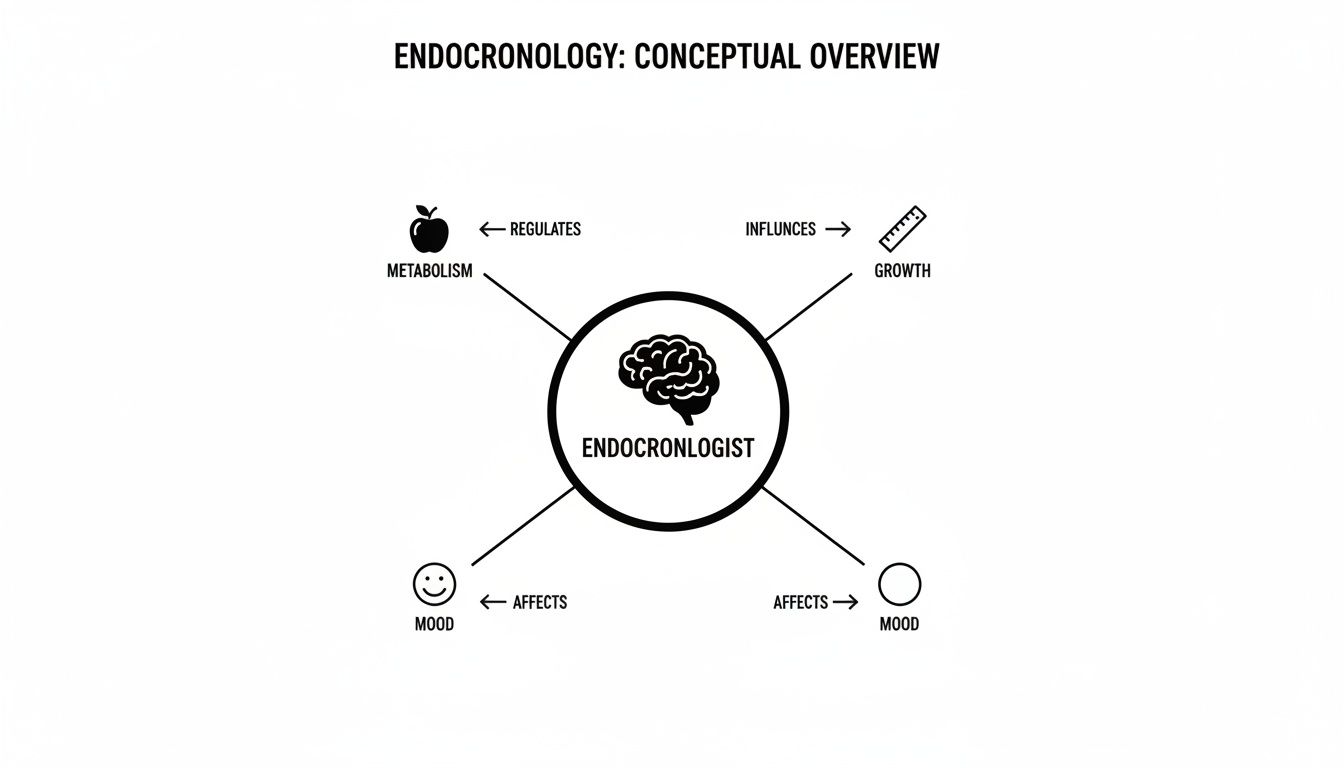
This visual underscores how central an endocrinologist is to maintaining your body’s equilibrium. By managing these areas, they directly influence your quality of life. For a deeper look, you can explore this expert guidance for your health to understand the direct link between endocrinology and metabolic function.
An endocrinologist’s goal is to decipher the body’s chemical messages. They find the root cause of symptoms like fatigue, unexplained weight changes, or mood swings, which are often dismissed or misdiagnosed as signs of stress or aging. Their precise approach ensures you receive a correct diagnosis and a treatment plan designed for your unique hormonal profile.
Common Conditions an Endocrinologist Treats

The work of an endocrinologist is incredibly broad, touching nearly every aspect of daily life. These specialists manage health issues rooted in the body’s intricate hormonal messaging system, influencing everything from metabolic function to reproductive health.
Because hormones orchestrate so many critical processes, an imbalance can trigger a cascade of confusing symptoms. Think unexplained weight changes, persistent fatigue, mood swings, or skin issues—all of which can point to an underlying endocrine problem. An endocrinologist is the medical detective trained to connect these dots and uncover the root hormonal cause.
Their expertise covers a vast spectrum of disorders that affect millions of Americans. It’s a field that includes diabetes, obesity, hormone-related cancers, growth problems, osteoporosis, and infertility.
Diabetes and Metabolic Disorders
Diabetes management is perhaps the most well-known area of an endocrinologist’s practice. This includes Type 1 diabetes, an autoimmune condition where the body attacks its own insulin-producing cells, and Type 2 diabetes, which is characterized by insulin resistance. They also handle less common forms, like gestational diabetes that can arise during pregnancy.
But their role in metabolic health goes much deeper:
- Metabolic Syndrome: A dangerous cluster of conditions—high blood pressure, high blood sugar, and abnormal cholesterol—that dramatically increases the risk of heart disease and stroke.
- Insulin Resistance: A critical precursor to Type 2 diabetes where the body’s cells start ignoring insulin’s signals to absorb glucose.
- Obesity: When weight gain seems resistant to diet and exercise, an endocrinologist can investigate and treat underlying hormonal drivers.
Thyroid Conditions
Think of the thyroid gland as the body’s metabolic engine. Even a minor malfunction can have major consequences for your energy, weight, and mood. Endocrinologists are the definitive experts in diagnosing and managing its many disorders.
The thyroid’s influence is so profound that symptoms of its dysfunction can mimic other conditions, from psychiatric disorders to heart problems. An endocrinologist’s precise diagnostics are essential to distinguish thyroid disease from other health issues and provide targeted treatment.
Common thyroid conditions they treat include:
- Hypothyroidism: An underactive thyroid that slows everything down, causing fatigue, brain fog, and weight gain.
- Hyperthyroidism: An overactive thyroid that puts the body into overdrive, leading to anxiety, rapid heart rate, and unintended weight loss.
- Graves’ Disease: An autoimmune disorder that is the most common cause of hyperthyroidism.
- Thyroid Nodules and Cancer: Lumps on the thyroid that require expert evaluation and a clear management plan.
Properly managing the thyroid is essential for overall well-being. For patients who undergo surgery, understanding the necessary lifestyle changes is critical; you can find helpful guidance in our article on diet after thyroid removal.
Other Key Areas of Specialization
While diabetes and thyroid issues are incredibly common, the answer to what does an endocrinologist specialize in extends much further. They also manage complex disorders related to the body’s other critical glands:
- Adrenal Disorders: Including Cushing’s syndrome (driven by excess cortisol) and Addison’s disease (a deficiency of adrenal hormones).
- Pituitary Gland Issues: Problems with the body’s “master gland” that can disrupt growth, reproduction, and the function of other glands.
- Polycystic Ovary Syndrome (PCOS): A common hormonal disorder in women that can cause irregular periods, metabolic issues, and fertility challenges.
- Osteoporosis: A condition of brittle, fragile bones, often tied to the hormonal shifts that occur after menopause.
What to Expect During Your First Visit

Walking into any specialist’s office for the first time can feel a little intimidating. The key is knowing what to expect, and your first consultation with an endocrinologist is less about immediate treatment and more about methodical investigation. Think of this visit as foundational—it’s designed to build a complete, nuanced picture of your health.
The appointment will kick off with a deep dive into your medical history, far more detailed than a typical check-up. Be prepared to discuss your family’s health history, your lifestyle, diet, stress levels, and a precise timeline of the symptoms you’ve been experiencing.
Think of this initial meeting as a deep dive into your body’s unique story. The endocrinologist is piecing together clues—your symptoms, lab results, and personal history—to uncover the root cause of your concerns. Honesty and detail are your best tools here.
The Diagnostic Process
After this comprehensive review, the endocrinologist will perform a physical exam and almost certainly order a series of very specific blood tests. This data-driven approach is the heart of what an endocrinologist specializes in—they rely on precise measurements to diagnose and treat hormonal imbalances with incredible accuracy. The immediate goal is to establish a clear baseline of your hormonal function.
Your specialist isn’t just looking for numbers outside the normal range; they’re looking for subtle patterns that point toward a specific endocrine disorder. This methodical process ensures that any treatment plan is built on a solid foundation of hard data.
Common Diagnostic Tests
To get to the bottom of your symptoms, your specialist will use a range of highly specific tests. These are not just routine blood draws; they are targeted investigations into your endocrine system’s inner workings.
Here are a few common tests you might encounter:
- A1c Test: This isn’t just a snapshot. It measures your average blood sugar levels over the past three months, giving a crystal-clear picture of your glucose control and diabetes risk.
- TSH and Free T4: These are the primary indicators of thyroid function. They reveal whether your thyroid is overactive (hyperthyroidism) or underactive (hypothyroidism).
- Comprehensive Hormone Panels: Depending on your symptoms, these panels can measure levels of cortisol (the stress hormone), testosterone, estrogen, or other key hormones to pinpoint specific deficiencies or excesses.
- Bone Density Scan (DEXA): If osteoporosis is a concern, this quick and non-invasive scan measures bone mineral density to accurately assess your fracture risk.
Based on the results of these initial tests, your endocrinologist will start putting together a personalized treatment strategy. This first visit truly sets the stage for a collaborative partnership, one focused on restoring your body’s delicate hormonal balance and, ultimately, improving your overall quality of life.
Advanced Treatments in Modern Endocrinology

Once an endocrinologist has an accurate diagnosis, their real work begins: restoring your body’s delicate hormonal balance with targeted, effective treatments. The field has moved far beyond just prescribing a pill. This is a core part of what an endocrinologist specializes in—applying sophisticated therapies to help you manage your condition and, more importantly, reclaim your quality of life.
These modern treatments aren’t just about masking symptoms; they’re designed to address the root cause of the hormonal imbalance. By doing so, an elite endocrinologist can help prevent devastating long-term complications, from heart disease linked to uncontrolled diabetes to debilitating bone fractures caused by osteoporosis. The focus is always on creating a sustainable, long-term health strategy.
Innovations in Diabetes Management
For anyone living with diabetes, the last decade has been nothing short of transformative. Technology has completely changed the game, and endocrinologists are the experts implementing these tools to give patients unprecedented control and freedom.
- Continuous Glucose Monitors (CGMs): These are small, wearable sensors that track blood sugar levels in real-time, sending live data straight to your smartphone. This technology all but eliminates the need for constant, painful finger pricks and provides a dynamic, minute-by-minute picture of how your body responds to food and activity.
- Advanced Insulin Pumps: Today’s “smart” pumps are a world away from older models. They integrate directly with CGMs to create a powerful “artificial pancreas” system that can automatically adjust insulin delivery based on your real-time glucose readings. This dramatically reduces the risk of dangerous high or low blood sugar events.
These technologies do more than just manage a condition; they restore a sense of normalcy and control. Patients can finally make informed, proactive decisions about their health every second of the day, which leads to better outcomes and a massive reduction in the daily burden of diabetes care.
Hormone Replacement and Targeted Medications
For many other endocrine disorders, precision is everything. Hormone therapies and targeted medications are the cornerstones of treatment, and an endocrinologist’s expertise is essential for calibrating these therapies to your unique biochemistry. The goal is always to achieve optimal results with minimal, if any, side effects.
This is especially true for thyroid conditions, where medications like levothyroxine must be meticulously dosed to restore metabolic function without accidentally overcorrecting. Similarly, hormone replacement therapy (HRT) is a powerful tool for managing the symptoms of menopause and low testosterone. You can learn more about how specialists approach this by exploring what is hormone replacement therapy.
Specialized Sub-Fields in Endocrinology
The field of endocrinology isn’t monolithic; it includes several highly focused sub-specialties that address specific conditions or life stages. These specialists complete additional fellowship training, making them true authorities in their niche.
Key sub-specialties include:
- Reproductive Endocrinology: These specialists are the experts on the hormonal causes of infertility. They manage complex conditions like PCOS and are central to the success of assisted reproductive technologies.
- Pediatric Endocrinology: This area is dedicated to diagnosing and treating growth disorders, issues with puberty, and diabetes in children and adolescents.
This degree of specialization ensures that if you’re facing a complex or rare condition, you can receive care from a physician with deep, focused knowledge—leading to more accurate diagnoses and far more effective treatment plans.
Why Finding the Right Specialist Matters
When you’re dealing with a potential hormonal issue, your first instinct might be to consult your primary care physician. While they are invaluable for general health, managing the body’s intricate endocrine system requires a level of expertise that goes far beyond standard medical training. This is where an elite, board-certified endocrinologist becomes indispensable.
Choosing the right specialist isn’t just about getting a second opinion; it’s a strategic investment in your long-term health. These physicians are trained to recognize the subtle patterns and cascading effects that a generalist might overlook, which can be the difference between a swift, accurate diagnosis and years of frustrating, unresolved symptoms. Because hormones influence everything from your cardiovascular system to your cognitive function, precision is everything.
The Growing Demand for Expertise
Finding a top-tier endocrinologist is becoming increasingly challenging. The demand for their highly specialized knowledge is quickly outpacing the number of physicians available, creating a significant gap between patient needs and access to elite care.
This isn’t a new problem. A 2003 analysis sounded the alarm, forecasting a shortage of approximately 2,700 adult endocrinologists by 2025. Even with a 50% increase in training positions between 2009 and 2019, the supply of new specialists has struggled to keep up with the soaring rates of diabetes, thyroid disorders, and other complex metabolic conditions. If you’re interested in the data, several endocrinology workforce studies have tracked this trend for years.
In a healthcare landscape where demand is high, prioritizing a board-certified specialist is non-negotiable. It ensures your care is not only grounded in the latest evidence but also meticulously calibrated to your unique hormonal profile.
The Value of a True Partner
Ultimately, managing a complex hormonal condition is a journey, not a one-time fix. The right endocrinologist is more than just a prescriber; they are a long-term partner dedicated to optimizing your health. They guide you through treatment adjustments, evolving lifestyle needs, and breakthrough therapeutic options as they emerge.
This partnership provides the clarity and confidence needed to move from a state of uncertainty to one of empowered, proactive health management. With their guidance, you’re not just treating a condition—you’re strategically managing your well-being with the highest possible level of precision.
How to Choose the Best Endocrinologist for You
Choosing the right specialist is one of the most critical decisions you’ll make for your health. It’s not just about finding someone with the right credentials; it’s about finding a true partner—a guide who can navigate the complexities of your hormonal health and help you achieve lasting wellness, not just treat a diagnosis.
The first filter is simple: board certification in endocrinology is non-negotiable. This certification from the American Board of Internal Medicine is your assurance that a physician has mastered the intricate knowledge required to manage complex hormonal conditions. Beyond that, look for specialists who have completed a formal fellowship, which signals years of advanced, dedicated training in the field.
Key Criteria for Your Search
Once you have a list of credentialed candidates, the real evaluation begins. Think of it like assembling a personal board of directors for your health. You need the right fit.
- Expertise in Your Condition: While every endocrinologist understands the entire hormonal system, many develop a deep focus in specific areas. Are you dealing with a complex thyroid issue, aiming for metabolic optimization, or navigating advanced diabetes technology? Find the physician whose practice is built around your primary concern.
- Communication Style: This is purely about chemistry. Do you thrive on direct, data-driven analysis, or do you prefer a collaborative, coaching-style relationship? A strong partnership requires a communication style that makes you feel heard, respected, and confident.
- Treatment Philosophy: Does their approach align with your own values? Some doctors are at the forefront of adopting new medications and technologies. Others build their practice around a foundation of lifestyle, nutrition, and integrative strategies. There’s no right answer, only what’s right for you.
The best endocrinologist for you is one who listens intently, respects your input, and empowers you with knowledge. This partnership is built on mutual trust and a shared commitment to achieving your best possible health outcomes.
Evaluating Your Options
Beyond the resume, practical considerations matter. Dive into patient reviews to get a feel for the real-world experience—from the office environment and wait times to the doctor’s bedside manner. In today’s world, you should also consider the accessibility of care. Does the practice offer telehealth appointments for routine follow-ups? That flexibility can be a game-changer for a busy professional.
Finally, it’s worth noting a significant and positive shift in the specialty. As of 2016, female fellows made up 71% of all incoming endocrinology trainees. For elite medical networks like Haute MD, which focus exclusively on top-tier, board-certified specialists, this trend has dramatically expanded the pool of highly qualified female endocrinologists. You can read more about these demographic shifts in medical specialties. By carefully weighing all these factors—credentials, philosophy, and practical fit—you can find the ideal specialist to guide your health journey.
Frequently Asked Questions About Endocrinology
Navigating specialty medical care always brings up questions. Here are direct answers to some of the most common queries we hear, designed to clarify the process of finding an expert endocrinologist and reinforce key ideas about this vital field of medicine.
Do I Need a Referral to See an Endocrinologist?
Whether you need a referral comes down to your health insurance plan. Many PPO plans give you the flexibility to see a specialist directly, without a gatekeeper. On the other hand, most HMO plans will require a formal referral from your primary care physician first.
To avoid any billing surprises, the best course of action is to always check with your insurance provider to confirm their specific rules for specialty care before you book an appointment.
What Is the Difference Between an Endocrinologist and a Diabetologist?
This is an excellent question that gets to the heart of medical sub-specialization. Think of it this way: all endocrinologists are experts in diabetes. It’s a core component of their extensive training, and they are fully equipped to manage every aspect of the condition.
A diabetologist, however, is a physician who has decided to focus their practice exclusively on diabetes. While they have incredible depth in that one area, an endocrinologist brings a much broader perspective to the table. They manage the entire endocrine system, which is critical since diabetes rarely exists in a vacuum—it’s often intertwined with thyroid, adrenal, or other hormonal issues. This wider scope is central to what an endocrinologist specializes in.
Choosing an endocrinologist for diabetes care means you’re getting a holistic assessment. They are uniquely positioned to spot and manage other hormonal factors that might be complicating your condition, leading to a far more complete and effective treatment plan.
How Often Should I See My Endocrinologist?
The frequency of your visits is never one-size-fits-all; it’s tailored specifically to your health needs and how stable your condition is. Your doctor will work with you to create a follow-up schedule that ensures optimal management without unnecessary appointments.
- For newly diagnosed or unstable conditions: You can expect more frequent check-ins, perhaps every one to three months, to closely monitor your progress and make timely adjustments to your treatment.
- For stable, chronic conditions: If your condition is well-managed—like stable hypothyroidism—an annual visit might be all that’s needed to confirm everything remains on track.
This personalized cadence ensures you get the precise level of attention required to maintain your long-term health.
At Haute MD, we believe that finding the right specialist is the single most important step in any healthcare journey. Our network is built to connect discerning patients with the nation’s most respected, board-certified physicians, ensuring you receive elite, outcome-driven care. Find a top-tier endocrinologist near you on hauteliving.com/hautemd.