



Facing heart surgery is a monumental life event, and the most critical decision you’ll make is choosing where to have it performed. The difference between a good outcome and a great one often lies in an institution’s experience, technological prowess, and the surgical team’s expertise. Finding the best hospital for heart surgery isn’t just about general rankings; it’s about identifying a center that excels in your specific required procedure, offers innovative, minimally invasive options, and provides comprehensive care from diagnosis through recovery. The right choice can significantly impact not just survival rates but also recovery speed and long-term quality of life.
This guide moves beyond simple lists to provide a detailed, actionable analysis of the nation’s elite cardiac surgery programs. We will break down the specific strengths of each leading institution, from pioneering robotic-assisted techniques to unparalleled success rates in complex aortic and mitral valve repairs. You will gain a clear understanding of the key metrics that truly matter, such as:
- High Surgical Volume: Correlating directly with surgeon proficiency and better outcomes.
- Risk-Adjusted Mortality Rates: Providing a fair comparison of performance across hospitals treating different patient populations.
- Innovation and Technology: Access to the latest surgical platforms and clinical trials.
This curated roundup is designed to empower you with the essential information needed to make a confident, informed decision for yourself or a loved one. Whether you are considering coronary artery bypass grafting, valve replacement, or a more complex cardiothoracic procedure, this is your first step toward securing world-class care and an optimal outcome.
1. Cleveland Clinic (Cleveland, Ohio, USA)
For discerning patients seeking the pinnacle of cardiac care, the Cleveland Clinic’s Sydell and Arnold Miller Family Heart, Vascular & Thoracic Institute stands as a global benchmark. Consistently ranked as the nation’s #1 hospital for cardiology and heart surgery by U.S. News & World Report for over two and a half decades, its reputation is built on a foundation of pioneering innovation and exceptional patient outcomes. This institution is not merely a hospital; it is where many of modern heart surgery’s foundational techniques were born and continue to be perfected.
The Clinic’s legacy is deeply intertwined with the history of cardiac surgery itself. It was here in 1967 that Dr. René Favaloro performed the first successful coronary artery bypass surgery, a procedure that has since saved millions of lives worldwide. This spirit of innovation continues with a multidisciplinary team approach that integrates the expertise of world-renowned surgeons, cardiologists, and researchers to tackle the most complex cardiovascular conditions. Their program is a high-volume center, performing over 8,000 heart surgeries annually, a key indicator of proficiency and experience.
Key Performance Indicators at a Glance
The following infographic provides a high-level summary of the key metrics that distinguish the Cleveland Clinic as a leader in cardiac care.
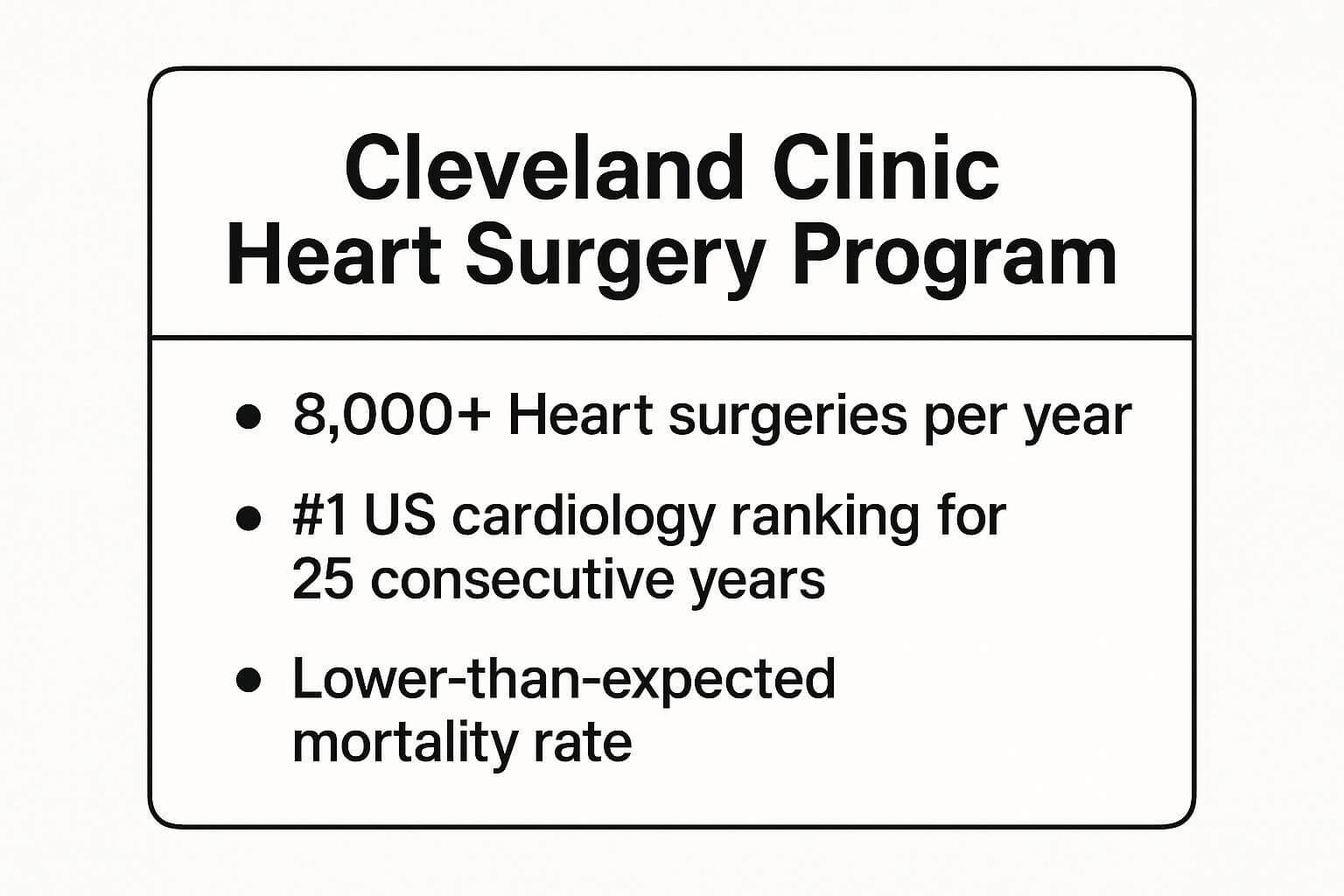
These figures illustrate a consistent pattern of excellence, combining high surgical volume with top-tier rankings and superior, risk-adjusted patient outcomes.
Practical Steps for Accessing Care
Engaging with a world-class institution like the Cleveland Clinic is a proactive step toward securing the best possible surgical outcome. Their system is designed to be accessible, even for patients who are not local to Ohio.
- Remote Second Opinions: Cleveland Clinic offers virtual consultations, allowing you to get an expert opinion on your diagnosis and treatment plan without traveling. This is an invaluable resource for confirming a surgical recommendation.
- Enhanced Recovery Protocols: Inquire specifically about their Enhanced Recovery After Surgery (ERAS) protocols. These evidence-based pathways are designed to minimize post-operative complications and shorten hospital stays, accelerating your return to normal life.
- Comprehensive Evaluations: For executives and individuals seeking a thorough pre-surgical workup, their Executive Health Program offers a streamlined, in-depth evaluation. Proactive health management is a cornerstone of their care, and you can explore more on the importance of preventive cardiology for high-achievers.
- Patient Portal Access: From your first interaction, utilize their MyChart patient portal. This tool provides a direct and secure line of communication with your entire care team, simplifying everything from appointment scheduling to asking post-operative questions.
2. Mayo Clinic (Rochester, Minnesota, USA)
When complex cardiovascular challenges require an unparalleled, integrated approach, the Mayo Clinic in Rochester stands as a beacon of collaborative medical excellence. Recognized globally for its patient-centered philosophy, Mayo Clinic’s Department of Cardiovascular Surgery operates on the founding principle that the needs of the patient come first. This ethos is brought to life through a deeply ingrained team-based model, where world-class cardiologists, surgeons, anesthesiologists, and specialized care teams converge to devise and execute a singular, optimized treatment plan for each individual. Performing over 5,000 heart surgeries annually, the institution consistently delivers exceptional outcomes, particularly for patients with rare, complex, or previously treated conditions.
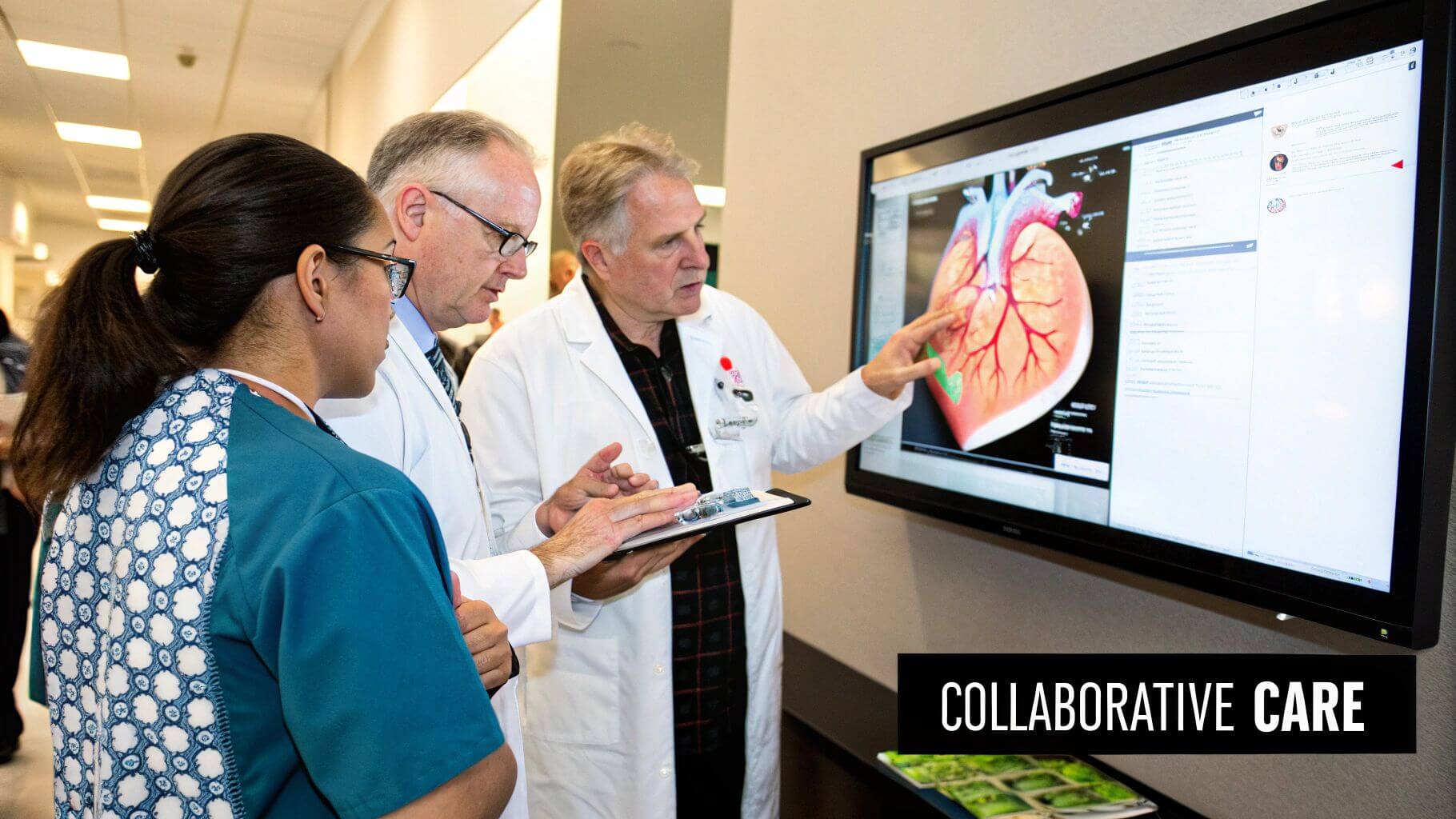
The legacy of the Mayo brothers, who pioneered the collaborative practice model, is evident in the clinic’s approach to cardiac care. This isn’t just about a single surgeon’s skill; it’s about the collective wisdom of an entire institution focused on one patient at a time. This makes Mayo Clinic a top contender for the best hospital for heart surgery, especially for intricate procedures. They are leaders in redo cardiac surgery for patients with previous operations, have pioneered techniques for repairing complex congenital heart defects in adults, and have developed innovative valve-sparing procedures for conditions like endocarditis. The center’s expertise, bolstered by renowned surgeons like Dr. Hartzell Schaff and Dr. Joseph Dearani, ensures that even the most daunting cardiac diagnoses are met with profound experience and cutting-edge solutions.
Key Performance Indicators at a Glance
The following infographic highlights key metrics that underscore Mayo Clinic’s status as a premier destination for cardiac surgery, reflecting their high volume and commitment to superior patient results.
These statistics demonstrate a powerful combination of surgical volume, elite institutional rankings, and consistently excellent, risk-adjusted outcomes for some of the most challenging cardiac cases.
Practical Steps for Accessing Care
Navigating care at a destination medical center like the Mayo Clinic is a streamlined process designed to support patients from around the globe. Their system prioritizes comprehensive evaluation and personalized treatment planning.
- Comprehensive Pre-Surgical Screening: For executives or those desiring an exhaustive health overview, Mayo Clinic’s Executive Health Program offers a highly efficient and thorough pre-operative assessment to ensure you are in optimal condition for surgery.
- Genetic Counseling and Family History: If you have a family history of conditions like Marfan syndrome or other inherited heart diseases, request a consultation with their genetic counseling services. This proactive step can provide critical insights for your long-term cardiovascular health.
- Inquire About Clinical Trials: As a leading research institution, Mayo Clinic is at the forefront of medical innovation. Ask your care team if you are a candidate for any clinical trials, which can provide access to novel treatments and next-generation surgical techniques.
- Leverage Patient Education Resources: Before your visit, explore the extensive patient education materials available on the Mayo Clinic website. Understanding your condition and treatment options is a key component of their empowerment-focused care model.
3. Massachusetts General Hospital (Boston, Massachusetts, USA)
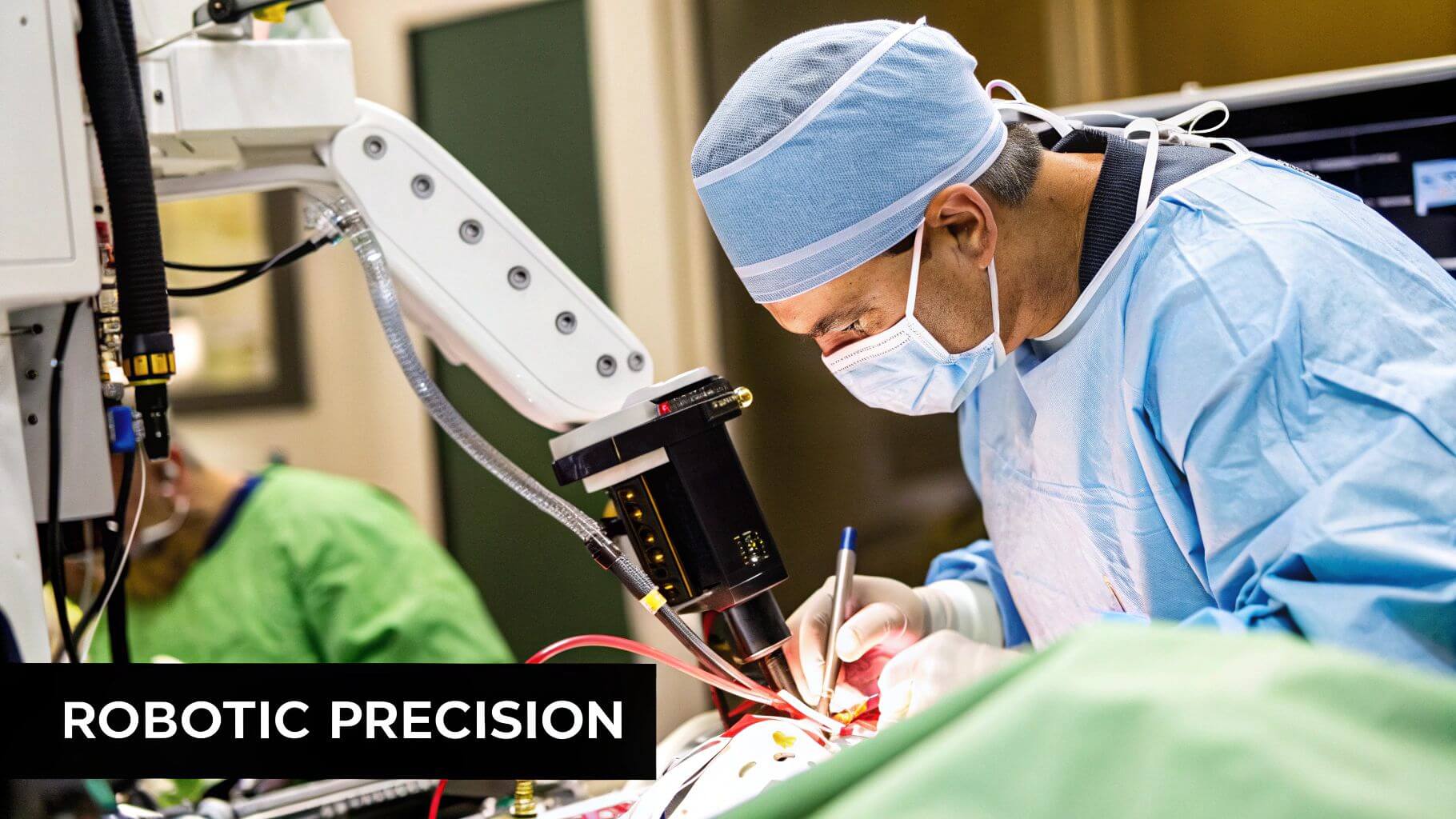
As the original and largest teaching hospital of Harvard Medical School, Massachusetts General Hospital (MGH) offers a unique blend of academic rigor and clinical excellence. Its Corrigan Minehan Heart Center is a powerhouse in cardiac care, sought after by patients with the most challenging cardiovascular conditions. MGH is consistently ranked among the best hospitals for heart surgery, a reputation earned through its pioneering work in minimally invasive techniques and its leadership in treating complex structural heart disease. The hospital’s deep commitment to research ensures that patients receive care that is not only state-of-the-art but also shapes the future of the field.
The MGH Division of Cardiac Surgery performs over 2,500 procedures annually, providing a high volume of experience across the entire spectrum of heart operations. The hospital has a storied history of innovation, from early cardiac surgery milestones achieved by Dr. Dwight Harken to its modern-day leadership in transcatheter aortic valve replacement (TAVR) and robotic-assisted mitral valve repair. This culture of advancement is driven by a multidisciplinary team, including renowned surgeons like Dr. Prem Shekar and Dr. Arminder Jassar, who collaborate closely with interventional cardiologists and researchers to develop personalized, often less invasive, treatment plans for each patient.
Key Performance Indicators at a Glance
The infographic below highlights several key metrics and areas of expertise that solidify MGH’s position as a national leader in cardiac surgery.https://www.youtube.com/embed/bN5H1LgDso0
These data points reflect a program dedicated to both high-volume surgical excellence and the continuous pursuit of less invasive, technologically advanced solutions for patients.
Practical Steps for Accessing Care
Engaging with MGH means tapping into a deep well of expertise and a system designed for comprehensive patient support. The following steps can help you navigate their world-class cardiac program effectively.
- Inquire About Minimally Invasive Options: MGH is a leader in these techniques. When you consult with their team, specifically ask if your condition is suitable for a minimally invasive or robotic-assisted approach, which can lead to faster recovery.
- Request a Hybrid Approach Consultation: For complex cases, MGH excels in hybrid procedures that combine surgery and interventional cardiology. Requesting a joint consultation can provide a more comprehensive and innovative treatment plan.
- Utilize the Nurse Navigator Program: Ask about their Heart Center’s nurse navigator program. These dedicated professionals provide personalized guidance and coordinate all aspects of your care, from initial appointments to post-operative follow-up, ensuring a seamless experience.
- Leverage Telemedicine for Follow-Ups: If you are traveling from a distance, MGH offers robust telemedicine services. This allows for convenient and effective follow-up appointments with your care team without the need for additional travel.
- Engage with the Cardiac Wellness Program: Beyond the surgery itself, inquire about their comprehensive Cardiac Wellness program. This service provides structured support for post-surgical recovery and long-term cardiovascular health, a critical component for a successful outcome.
4. Johns Hopkins Hospital (Baltimore, Maryland, USA)
For patients requiring sophisticated cardiac interventions combined with a deeply personalized approach, The Johns Hopkins Hospital in Baltimore offers a legacy of surgical excellence and groundbreaking research. As a cornerstone of academic medicine, its Division of Cardiac Surgery is consistently recognized as one of the best for heart surgery, particularly for its expertise in treating complex aortic and valve diseases. Johns Hopkins blends a rich history of medical firsts with a forward-looking commitment to precision medicine.
The hospital’s reputation is built on a foundation of handling the most challenging cases, from intricate redo valve surgeries in high-risk patients to life-saving procedures for acute aortic dissections. Performing over 2,000 cardiac surgeries annually, the team has extensive experience, which translates into superior patient outcomes. Esteemed surgeons like the former chief, Dr. Duke Cameron, have pioneered techniques for repairing bicuspid aortic valves and complex aortic reconstructions, especially for patients with genetic conditions like Marfan syndrome. This commitment to innovation is evident in their active research into bioengineered heart valves and tissue regeneration.
Key Performance Indicators at a Glance
The following infographic provides a high-level summary of the key metrics that distinguish Johns Hopkins Hospital as a leader in cardiac care.
These figures highlight Johns Hopkins’ ability to manage high-acuity cases while maintaining excellent survival rates and advancing the field through robust research.
Practical Steps for Accessing Care
Engaging with an institution that prioritizes individualized care pathways is crucial for complex conditions. Johns Hopkins provides several avenues for patients to access its world-class expertise and ensure a tailored treatment plan.
- Multidisciplinary Team Consultations: For complex valve disease, request a consultation with their multidisciplinary valve team. This ensures that experts from surgery, cardiology, and imaging collaborate to determine the optimal treatment strategy for your specific anatomy and condition.
- Genetic and Precision Medicine: If you have a family history of heart or aortic disease, ask specifically about their advanced genetic testing and precision diagnostics. This can identify underlying risks and inform a more personalized surgical plan.
- Second Opinion Services: For a diagnosis of complex aortic disease or if you’ve been told you are a high-risk surgical candidate, utilize their second opinion services. This can provide clarity and potentially open up new treatment possibilities.
- Enhanced Recovery and Education: Inquire about their Enhanced Recovery After Surgery (ERAS) program to optimize your post-operative course. Also, take advantage of the comprehensive Cardiac Surgery Patient Education program to feel fully prepared for your procedure and recovery. These programs are often a key component of the high-touch service found in premier institutions, aligning with the philosophy of a personalized physician practice.
5. Mount Sinai Heart (New York, New York, USA)
For patients prioritizing cutting-edge, less invasive surgical options, Mount Sinai Heart at The Mount Sinai Hospital in New York City represents the forefront of cardiac innovation. A high-volume center performing over 3,000 cardiac surgeries annually, Mount Sinai has carved out a global reputation as a pioneer in minimally invasive and robotic-assisted procedures. This institution is a top choice for those seeking to minimize surgical trauma and accelerate recovery, offering a powerful blend of technical mastery and forward-thinking research.
The legacy of Mount Sinai Heart is defined by its relentless pursuit of less invasive solutions for complex heart conditions. Under the leadership of world-renowned figures like Dr. David H. Adams, the hospital has become a major referral center for mitral valve repair, boasting repair rates that exceed 95%, often achieved through robotic techniques. This dedication to innovation extends to transcatheter valve therapies and hybrid approaches, where surgeons and interventional cardiologists collaborate to deliver customized, state-of-the-art care for the most challenging cases, including complex multi-valve disease.
Key Performance Indicators at a Glance
The following infographic provides a high-level summary of the key metrics that distinguish Mount Sinai Heart as a leader in innovative cardiac care.
These figures underscore Mount Sinai’s expertise, particularly in advanced, minimally invasive techniques that often lead to superior patient outcomes and faster recovery times.
Practical Steps for Accessing Care
Engaging with an institution celebrated for its minimally invasive expertise requires a proactive approach to ensure you are considered for the most advanced, appropriate therapies. Mount Sinai’s system is designed to facilitate access to its specialized programs.
- Inquire About Minimally Invasive Options: When scheduling a consultation, specifically ask if your condition makes you a candidate for a minimally invasive or robotic-assisted procedure. With over 10,000 such procedures performed, their team has unparalleled experience.
- Request a Hybrid Consultation: For complex valve disease, request a joint consultation with both a cardiac surgeon like Dr. Anelechi Anyanwu and a leading interventional cardiologist like Dr. Samin Sharma. This ensures you explore all possibilities, including innovative hybrid treatments.
- Explore Clinical Trials: Mount Sinai is a hub for cardiovascular research. Ask your care team about participation in clinical trials, which can provide access to next-generation devices and treatments not yet widely available.
- Engage with Pre-Operative Rehabilitation: Their cardiac rehabilitation program can begin before your surgery. Inquire about this “pre-hab” to optimize your physical condition, which can significantly improve post-operative recovery and long-term results.
6. Cedars-Sinai Medical Center (Los Angeles, California, USA)
For patients on the West Coast and beyond, Cedars-Sinai’s Smidt Heart Institute in Los Angeles represents a powerhouse of cardiac innovation and surgical excellence. As one of the most comprehensive and high-volume heart centers in the United States, it has carved out a reputation for tackling the most challenging cardiovascular cases with a blend of cutting-edge technology and personalized, patient-centered care. The institute is a destination for those seeking not just treatment, but forward-thinking solutions that often redefine the standards of what is possible in heart surgery.
The Smidt Heart Institute’s philosophy is built on a foundation of relentless research and clinical integration. Led by a team of globally recognized experts like Dr. Eduardo Marbán in regenerative medicine and Dr. Raj Makkar in transcatheter valve therapies, the center is a hub for pioneering new procedures and technologies. They perform more transcatheter aortic valve replacements (TAVR) than any other U.S. center and have one of the nation’s leading heart transplant programs. This high volume, coupled with a deep commitment to research, ensures patients receive care that is both highly experienced and at the absolute forefront of medical science.
Key Performance Indicators at a Glance
The following infographic provides a high-level summary of the key metrics that distinguish Cedars-Sinai Medical Center as a leader in cardiac care.
These figures highlight Cedars-Sinai’s role as a major academic medical center combining elite surgical performance with groundbreaking research and superior patient outcomes.
Practical Steps for Accessing Care
Engaging with an institution renowned for both clinical volume and innovation like Cedars-Sinai can significantly impact your treatment journey. Their system is structured to provide access to specialized, multidisciplinary expertise.
- Explore Advanced Heart Failure Options: If you are dealing with end-stage heart disease, specifically inquire about their Advanced Heart Failure and Transplant Program. This team specializes in complex interventions, including pioneering work with Left Ventricular Assist Devices (LVADs) as destination therapy.
- Inquire About Clinical Trials: Cedars-Sinai is a leader in developing novel therapies. Ask your care coordinator about eligibility for clinical trials, particularly in areas like stem cell therapy for heart regeneration or new minimally invasive valve technologies.
- Consult the Heart Valve Center: For complex valve disease, request a consultation with their specialized Heart Valve Center. This group offers a comprehensive evaluation to determine the optimal approach, whether it’s traditional surgery, minimally invasive repair, or a transcatheter procedure.
- Leverage International Patient Services: For patients traveling from abroad, their dedicated international patient services team can coordinate every aspect of your visit, from medical records translation and visa assistance to travel and accommodation logistics.
7. Texas Heart Institute at Baylor St. Luke’s Medical Center (Houston, Texas, USA)
For patients requiring groundbreaking cardiac solutions, the Texas Heart Institute (THI) at Baylor St. Luke’s Medical Center embodies a legacy of bold innovation and surgical mastery. Founded by the legendary Dr. Denton Cooley, THI is a global epicenter for cardiovascular research and treatment. Its reputation is built not just on high surgical volume, with over 5,000 cardiovascular procedures annually, but on a history of achieving the seemingly impossible. This institution is where some of the most critical “firsts” in cardiac history occurred, cementing its status as a premier destination for complex heart surgery.
The institute’s pioneering spirit is its defining characteristic. It was here that Dr. Cooley performed the first successful heart transplant in the United States in 1968 and implanted the world’s first total artificial heart just one year later. This relentless drive to innovate continues today, led by world-renowned surgeons like Dr. Joseph Coselli, an expert in aortic surgery, and Dr. O.H. ‘Bud’ Frazier, a trailblazer in mechanical circulatory support. Their high-volume experience, which includes over 100,000 open-heart surgeries performed since its founding, provides patients with an unparalleled level of expertise, particularly for high-risk and complex cases.
Practical Steps for Accessing Care
Engaging with an institution of THI’s caliber involves leveraging its unique strengths in research, technology, and patient support. Their system is structured to provide access to cutting-edge treatments and a deep well of surgical experience.
- Seek Specialized Aortic Expertise: If you are diagnosed with a complex aortic aneurysm or dissection, request a consultation with their dedicated aortic surgery team. They are renowned for their outcomes in treating the most challenging thoracoabdominal aortic conditions.
- Explore Advanced Device Trials: Inquire about participation in clinical trials for mechanical circulatory support devices, such as Left Ventricular Assist Devices (LVADs) and total artificial hearts. THI is often at the forefront of developing and testing next-generation technologies.
- Utilize International Patient Services: For patients traveling from abroad, THI offers comprehensive international patient coordinator services to manage everything from medical records transfer to travel and accommodation logistics.
- Consult the Center for Advanced Heart Failure: For patients with end-stage heart disease, a direct consultation with their Center for Advanced Heart Failure provides access to the full spectrum of treatment options, from advanced medical management to transplantation and mechanical support. This holistic approach ensures your care aligns with the highest standards of peak performance medicine.
- Review Published Outcomes: Ask for their extensive, publicly available performance metrics. THI’s commitment to transparency allows you to make an informed decision based on their proven, risk-adjusted outcomes.
Top 7 Hospitals for Heart Surgery Comparison
| Hospital / Aspect | Implementation Complexity 🔄 | Resource Requirements ⚡ | Expected Outcomes 📊 | Ideal Use Cases 💡 | Key Advantages ⭐ |
|---|---|---|---|---|---|
| Cleveland Clinic | High – advanced hybrid ORs, robotic systems | Very high – >8,000 surgeries/year, multidisciplinary teams | Excellent – lowest mortality rates, high surgical volume | Complex cardiac surgeries, transplants, innovative care | #1 US cardiology ranking 25 years, clinical trials access |
| Mayo Clinic | High – integrated team-based care model | High – 5,000+ surgeries/year, multi-campus presence | Excellent – top 3 nationally, strong for complex cases | Rare/complex cardiac conditions, minimally invasive surgery | Collaborative approach, strong patient education |
| Massachusetts General Hospital | Moderate to high – robotic and minimally invasive focus | High – 2,500+ surgeries, extensive clinical trials portfolio | Very good – below expected mortality rates | High-risk and complex coronary and structural heart disease | Harvard affiliation, pioneering TAVR and research trials |
| Johns Hopkins Hospital | High – advanced genetics and precision diagnostics | High – >2,000 surgeries, strong research and multidisciplinary care | Excellent – significantly below national average | Complex valve repair, genetic cardiac diseases, rare cases | Personalized medicine, genetic testing, valve repair focus |
| Mount Sinai Heart | High – leader in minimally invasive and robotic procedures | High – 3,000+ surgeries, hybrid ORs, advanced imaging | Very good – below national average across all surgeries | Minimally invasive and transcatheter valve interventions | Fast recovery, cutting-edge tech, comprehensive cardiac care |
| Cedars-Sinai Medical Center | High – advanced AI integration, robotic surgery | High – 2,000+ surgeries, extensive transplant and support programs | Good – below national average, innovation in mechanical support | Heart transplant, mechanical support, complex valve surgery | AI-driven care, luxury amenities, international patient support |
| Texas Heart Institute | High – pioneering artificial heart and mechanical support | Very high – 5,000+ surgeries, advanced hybrid ORs | Very good – below national average, historically excellent | Heart transplantation, total artificial heart, complex aortic surgery | Historic innovations, lower cost than coasts, international reach |
Making Your Final Decision with Confidence
Navigating the path to heart surgery is one of the most significant healthcare journeys you can undertake. This guide has provided a curated look at several of the nation’s most elite institutions, from the pioneering spirit of the Cleveland Clinic and the integrated, patient-first model of the Mayo Clinic to the academic powerhouses of Massachusetts General and Johns Hopkins. Each hospital featured represents a standard of excellence, offering world-class surgical teams, cutting-edge technology, and a deep commitment to advancing cardiac medicine.
The ultimate goal of this research is not simply to identify the single “best hospital for heart surgery,” but to empower you to find the best hospital for your specific needs. A successful outcome is a fusion of clinical excellence and personal alignment. The right choice will depend on a confluence of factors unique to your situation, including your specific diagnosis, the recommended surgical procedure, and even your personal philosophy on medical care.
Your Action Plan: Moving from Research to Resolution
As you transition from gathering information to making a final decision, a structured approach is crucial. The initial list is just the beginning. The next phase involves personalized due diligence to ensure the institution you select is the perfect fit for your complex medical and personal requirements. This is where your active participation becomes paramount.
Consider the following actionable steps to refine your choice with confidence:
- Schedule Targeted Consultations: Do not limit yourself to a single opinion. Seek second, or even third, consultations, especially if your case is complex. Use these meetings to compare treatment approaches, surgical techniques, and the overall philosophy of care. For example, one surgeon might advocate for a traditional open-heart procedure while another at a different institution may be a specialist in a minimally invasive robotic technique that could lead to a faster recovery.
- Drill Down on Surgeon-Specific Experience: Move beyond the hospital’s general reputation and investigate the specific surgeon or surgical team. Ask direct questions: How many of these exact procedures have you performed? What are your personal outcomes and complication rates for this specific surgery? A hospital might have a stellar reputation for bypass surgery, but you need to ensure your surgeon is an expert in the complex valve repair you require.
- Evaluate the Complete Care Ecosystem: A successful surgery is only one part of the equation. Inquire deeply about the entire patient journey. What does the pre-operative preparation entail? What is the post-operative recovery and cardiac rehabilitation program like? A world-class surgical procedure followed by fragmented or poorly coordinated aftercare is not a recipe for optimal long-term health. The best programs offer seamless, integrated support from diagnosis through full recovery.
Key Insight: The “best” choice is not a static ranking but a dynamic match between a hospital’s specific expertise and your unique clinical profile. Your role is to actively uncover that match through meticulous, targeted inquiry.
Ultimately, choosing a hospital for heart surgery is an investment in your future. It’s a decision that warrants a level of diligence reserved for life’s most critical moments. By combining the foundational knowledge from this guide with a proactive, inquisitive approach, you empower yourself to select a medical partner that will not only perform a life-saving procedure but will also guide you toward sustained, long-term wellness and an enhanced quality of life. You are not just a patient; you are the CEO of your own health. Making this decision with clarity, data, and confidence is the first, and most important, step toward a healthier future.
Ready to connect with the nation’s most trusted medical experts without the guesswork? The Haute MD network provides a curated, vetted directory of top-tier physicians and surgeons, including many affiliated with the world-class institutions featured in this guide. Streamline your search and gain direct access to the pinnacle of medical care by exploring the Haute MD network today.