



Bioidentical hormone replacement therapy is a way of supplementing the very same hormones your body produces naturally. These hormones, often sourced from plants, are engineered to be molecularly identical to your own. The entire goal is to restore your hormone levels to an optimal state, pushing back against the frustrating symptoms that come with aging, menopause, or andropause.
What Is Bioidentical Hormone Replacement Therapy?
Think of your body as an incredibly complex orchestra, where hormones are the conductors for thousands of different bodily functions. They direct everything from your energy and mood to your sleep and metabolism. When we’re young, this orchestra is in perfect harmony. But as we age, key conductors—like estrogen, progesterone, and testosterone—begin to retire, and the music starts to sound off-key.
This is where bioidentical hormone replacement therapy (BHRT) comes in. It’s not about introducing a foreign conductor to the orchestra; it’s about bringing back the exact one that left.
Unlike traditional synthetic hormones, which might be derived from sources like pregnant horse urine and have a slightly different molecular shape, bioidentical hormones are designed to be a perfect match for what your body makes. It’s like replacing a lost key with an exact replica instead of a master key that doesn’t quite fit the lock. The idea is to restore balance in a way that feels completely natural to your body’s systems.
The Importance of Hormonal Harmony
Hormones are the powerful chemical messengers that keep everything running smoothly. When their levels drop, the resulting chaos can seriously disrupt your quality of life. BHRT is designed to pinpoint these specific deficiencies and replenish only what your body is missing.
Keeping this delicate balance isn’t just about feeling better today; it’s crucial for your long-term health. When managed correctly, balanced hormone levels can support:
- Symptom Relief: A significant reduction in frustrating issues like hot flashes, night sweats, and vaginal dryness.
- Improved Mood and Mental Clarity: Many patients report the lifting of persistent brain fog and a stabilization of mood swings.
- Enhanced Vitality: A noticeable boost in energy levels, libido, and overall physical stamina.
- Protective Benefits: Better support for bone density and a positive contribution to cardiovascular wellness.
This infographic really helps drive home the core idea behind BHRT—using a key that is a perfect, identical copy of the one your body made in the first place.
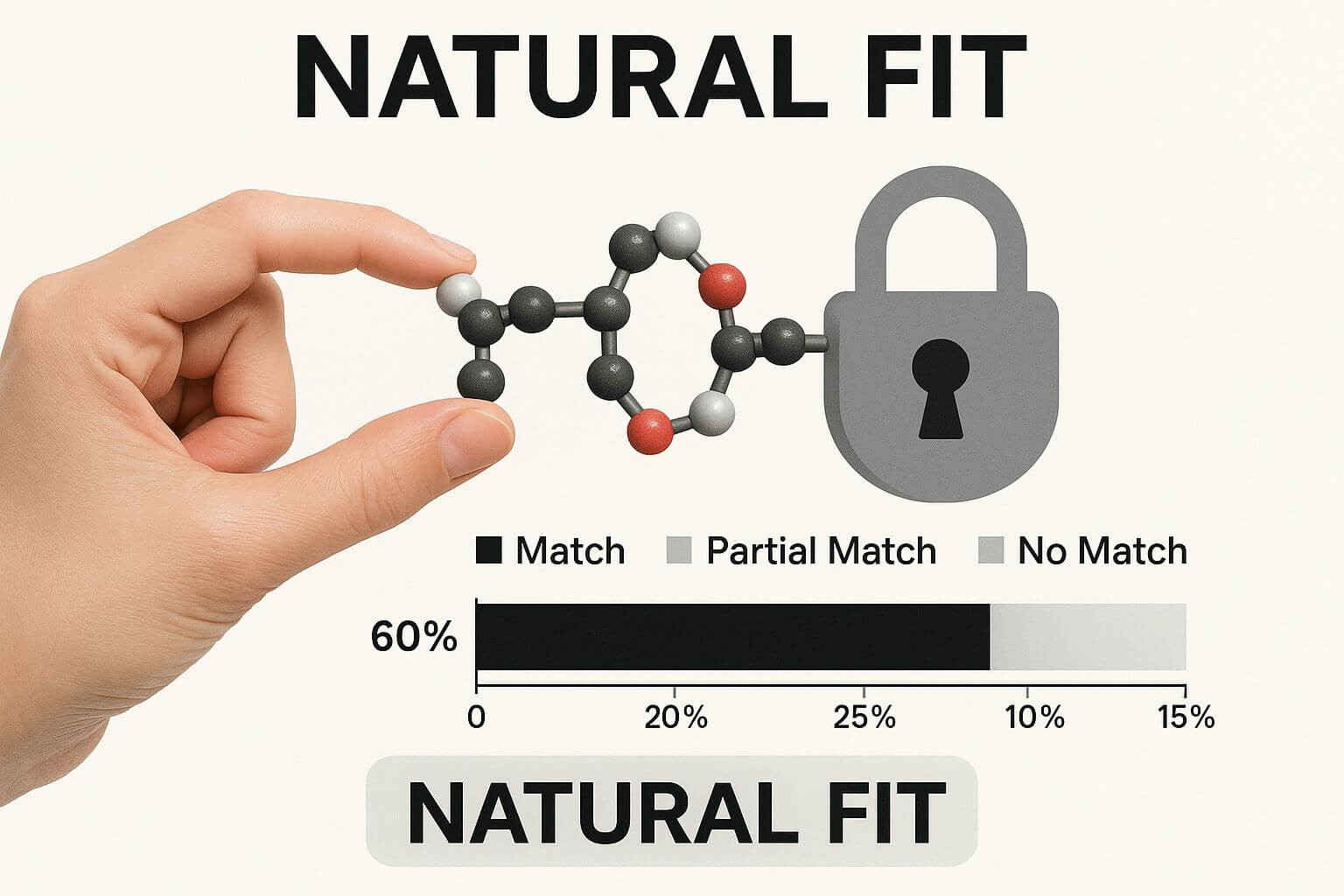
As the image shows, bioidentical hormones are all about achieving a “natural fit,” allowing them to interact with your body’s receptors seamlessly and effectively.
A Growing Field of Personalized Medicine
The demand for a more personalized approach to hormone therapy is undeniable. The bioidentical hormone replacement therapy market was valued at around USD 3.5 billion in 2024 and is expected to grow substantially. This isn’t just a trend; it’s a fundamental shift away from one-size-fits-all solutions toward treatments tailored to an individual’s unique biochemistry. You can read the full research on BHRT market growth to see just how quickly this field is expanding.
By focusing on molecularly identical structures, BHRT offers a targeted way to replenish what time takes away, aiming to restore the body’s intended function and improve overall wellness from the inside out.
Ultimately, understanding what BHRT is and how it works is the first step. It’s about deciding if this personalized path can help you regain control over your health and vitality by restoring harmony, not just covering up the symptoms.
How BHRT Works to Restore Your Natural Balance

To really grasp how bioidentical hormone replacement therapy works, think of your body’s key hormones—estrogen, progesterone, and testosterone—like members of a finely tuned string quartet. For the music to sound harmonious, each instrument has to play its part at just the right volume. But as we age, one or more of these instruments starts to fade out, creating a discordant sound that we experience as frustrating, uncomfortable symptoms.
BHRT doesn’t try to add a new, unfamiliar instrument to the mix. Instead, it precisely retunes the ones you already have, bringing their volume back up to the perfect level. The beautiful music of your body can play on.
This restoration is a deeply personal process. It all starts with a skilled practitioner acting as a detective, piecing together clues from your unique biochemistry. This is anything but a one-size-fits-all approach; it’s a meticulous journey back to balance, designed specifically for you.
The Personalized Patient Journey
The path to hormonal balance with BHRT is a true collaboration between you and your provider. It begins with a deep dive into your story and ends with a treatment plan as unique as your fingerprint. The whole process is designed to figure out exactly what your body needs—and nothing it doesn’t.
This journey typically unfolds in three key stages:
- Initial Consultation and Symptom Review: This is where the real detective work begins. Your provider will listen—really listen—to your health history, your symptoms, and what you want to achieve. Are you battling hot flashes? Is it persistent fatigue, brain fog, or a disappearing libido? Every detail helps build the complete picture.
- Comprehensive Hormone Testing: To get the objective data, your provider will order detailed lab tests. This often involves blood, saliva, or urine analysis to measure the precise levels of key hormones like estradiol, progesterone, testosterone, and DHEA. This step provides the scientific blueprint for your therapy.
- Crafting Your Treatment Plan: Armed with your symptom profile and lab results, your practitioner creates your custom BHRT plan. This specifies which hormones you need, the exact dosages, and the best delivery method for your lifestyle.
This highly individualized approach ensures the therapy targets your specific deficiencies, which minimizes the guesswork and maximizes results. It’s a world away from conventional methods that often rely on standardized, pre-packaged dosages.
A skilled BHRT practitioner doesn’t just glance at a number on a lab report and write a standard prescription. They connect your test results with your specific symptoms to create a plan that helps you feel your absolute best.
Understanding Key Hormones and Their Roles
Restoring balance means knowing which instruments in the orchestra have fallen out of tune. While dozens of hormones work together, three play starring roles in the symptoms that usually lead people to seek BHRT. A solid understanding of what they do is crucial for anyone exploring the potential of hormone optimization.
- Estrogen (Primarily Estradiol): This is a powerhouse hormone, especially for women. It regulates menstrual cycles, protects bone density, supports brain function, and keeps skin and blood vessels healthy. When levels drop, you get the classic menopausal symptoms: hot flashes, night sweats, and vaginal dryness.
- Progesterone: Often called the “calming” hormone, progesterone balances out estrogen’s effects, promotes healthy sleep, and can ease anxiety. For women with a uterus, it’s absolutely essential for protecting the uterine lining when taking estrogen.
- Testosterone: While it gets the most press as the primary male hormone, testosterone is also vital for women. It’s a major player in libido, muscle mass, bone strength, energy levels, and mental clarity. A deficiency can lead to fatigue, a low sex drive, and finding it harder to maintain muscle tone.
Before we dive into delivery methods, it’s helpful to see a direct comparison of BHRT and conventional therapy.
Comparing BHRT and Conventional HRT
This table breaks down the core differences between the two main approaches to hormone therapy.
| Feature | Bioidentical HRT (BHRT) | Conventional HRT |
|---|---|---|
| Hormone Source | Derived from plant sources like soy or wild yams. | Typically synthetic or derived from animal sources (e.g., horse urine). |
| Structure | Chemically identical to the hormones produced by your body. | Molecular structure is different from human hormones. |
| Customization | Highly personalized; dosages are compounded for each patient. | Standardized, one-size-fits-all dosages. |
| Metabolism | Metabolized through the body’s natural pathways. | May produce different metabolites, leading to varied side effects. |
Understanding these distinctions makes it clear why a personalized, bioidentical approach can offer a more tailored and potentially more effective path back to balance.
Finding the Right Delivery Method
Once your personalized formula is ready, the last piece of the puzzle is deciding how the hormones will be administered. Every method has its own pros and cons, and the best choice really comes down to personal preference, lifestyle, and what your provider recommends.
Common delivery systems for BHRT include:
- Topical Creams and Gels: Applied daily to the skin, these allow hormones to be absorbed directly into the bloodstream, bypassing the liver.
- Transdermal Patches: You wear these on your skin and change them once or twice a week, which provides a steady, slow release of hormones.
- Oral Capsules: Taking a pill is convenient, but this method means the hormones have to be processed by your liver first, which can affect potency.
- Subdermal Pellets: These tiny pellets are inserted just under the skin (usually near the hip) and release hormones consistently over several months.
Your provider will walk you through these options to find the one that fits seamlessly into your life, making your journey back to balance as smooth as possible.
The Real-World Benefits of Balanced Hormones

Restoring your body’s hormonal harmony isn’t just some abstract wellness concept. It translates into real, day-to-day improvements that can completely change your quality of life. For so many people, it feels like clearing away a persistent fog, letting them feel like themselves again.
The most celebrated advantage, of course, is the profound relief from the draining symptoms of menopause and andropause. These aren’t minor annoyances; they’re disruptive forces that can sabotage your work, strain your relationships, and chip away at your self-esteem. BHRT gets to the heart of the problem by replenishing the very hormones that have gone missing.
Alleviating Disruptive Daily Symptoms
Imagine walking into an important meeting without the dread of a sudden, drenching hot flash. Imagine sleeping through the night without waking up in a pool of sweat. This is the new reality for many people who find success with BHRT. By stabilizing hormone levels, the therapy can dramatically dial down these maddening vasomotor symptoms.
But the benefits go far beyond temperature control. The mental and emotional lift is often just as significant. The therapy helps clear away stubborn brain fog, sharpen memory, and put an end to the unpredictable mood swings that come with hormonal shifts. That mental clarity is often one of the most welcome changes of all.
Restoring hormonal balance isn’t about becoming a different person. It’s about removing the obstacles that prevent you from feeling like the best version of yourself—energetic, clear-headed, and fully engaged in your life.
This push for effective, personalized solutions is fueling major growth in the global market for bioidentical hormones. An aging population is actively seeking relief, and there’s a much deeper awareness of the long-term health risks of hormonal decline, like osteoporosis and heart issues.
Reclaiming Energy and Vitality
One of the most common complaints tied to hormonal decline is a deep, bone-wearying fatigue that no amount of coffee or rest seems to touch. Bringing hormones back to their optimal levels often feels like flipping a switch on your body’s natural energy production, leading to a renewed sense of vigor and stamina.
This newfound energy creates a wonderful domino effect, touching every part of your life. It often leads to:
- Improved Sleep Quality: Balanced progesterone, for instance, is well-known for promoting deeper, more restorative sleep, finally breaking the cycle of exhaustion.
- Revitalized Libido: Both testosterone and estrogen are crucial for sexual desire and function. Restoring them can help bring back intimacy and connection.
- Enhanced Physical Performance: With more energy and better support for muscle mass, staying active and maintaining your strength becomes easier and a lot more enjoyable.
Supporting Long-Term Wellness
While getting rid of immediate symptoms is what brings most people through the door, the potential long-term advantages of BHRT are just as compelling. Thinking about your hormone levels is a key part of any smart, proactive health strategy. Many people exploring this therapy are also looking into how hormone optimization and metabolic medicine improve healthspan, shifting the focus to years of high-quality life.
Properly managed BHRT can be a powerful tool for long-term wellness by:
- Supporting Bone Density: Estrogen is absolutely vital for preventing bone loss. Keeping levels where they should be helps lower the risk of osteoporosis and fractures down the road.
- Promoting Cardiovascular Health: Your hormones have a major say in cholesterol levels, blood vessel flexibility, and overall heart function. Keeping them balanced supports a healthier cardiovascular system.
By tackling both the discomfort you feel today and the health risks you might face tomorrow, bioidentical hormone replacement therapy offers a powerful path toward reclaiming your vitality. It’s about more than just surviving hormonal changes—it’s about thriving right through them.
Navigating Potential Risks and Side Effects
While the benefits of BHRT can be life-changing, any responsible discussion has to include a transparent look at the potential risks. Let’s be clear: no medical therapy is entirely without risk, and understanding this from the start is what empowers you to make a truly informed decision.
The history of hormone therapy is complicated, and that history makes today’s careful, personalized approach all the more critical.
One of the biggest misconceptions is that “bioidentical” or “natural” automatically means “perfectly safe.” These are powerful substances designed to create significant changes in your body’s chemistry. For that reason, professional medical supervision isn’t just a good idea—it’s absolutely non-negotiable.
An expert provider isn’t just writing prescriptions. They are your partner, vigilantly monitoring your body’s response and making precise, subtle adjustments every step of the way.
Understanding Common Side Effects
When you first begin BHRT, your body goes through an adjustment period. It needs time to acclimate to new hormone levels, and during this initial phase, some temporary side effects can pop up as your system finds its new balance. Think of it like tuning a high-performance engine; it takes a few small tweaks to get everything running smoothly.
These initial side effects are usually mild and can include:
- Fluid Retention or Bloating: Your body might hold onto a bit more water as it adjusts.
- Breast Tenderness: This is fairly common, especially with estrogen, and typically fades over time.
- Mood Fluctuations: As your hormonal orchestra retunes itself, you might notice some temporary irritability or shifts in mood.
- Acne or Oily Skin: A bump in testosterone can sometimes trigger these skin changes.
A skilled practitioner anticipates this. They manage it by starting you on a low dose and gradually increasing it—a method called titration. This slow-and-steady approach lets your body adapt gently, minimizing discomfort and ensuring your final dose is exactly what you need. Honest, open communication with your doctor during this phase is key.
The art of hormone therapy lies in finding the lowest effective dose that resolves your symptoms while producing the fewest possible side effects. It’s a delicate balance achieved through clinical expertise and attentive patient care.
Clarifying Major Health Considerations
Much of the public concern around hormone therapy comes from older, massive studies like the Women’s Health Initiative (WHI). It’s crucial to understand that those studies primarily used different tools: synthetic, non-bioidentical hormones and oral pills.
Modern BHRT has evolved. Today’s best practices favor transdermal (through the skin) applications like creams, gels, or patches, which carry a different risk profile than oral hormones that are processed by the liver.
Still, certain health risks require a serious conversation. The most talked-about concern is the potential link between hormone therapy and certain cancers, specifically breast and uterine cancer. The science is clear on one point: for any woman who still has her uterus, taking estrogen without a progestogen to balance it is known to increase the risk of uterine cancer. This is why combination therapy is the undisputed standard of care.
The connection to breast cancer is far more complex and nuanced. While some data points to a potential increase in risk with long-term use of certain hormone combinations, other evidence suggests that using bioidentical progesterone (instead of synthetic progestins) may offer a different, and potentially lower, risk profile.
Ultimately, your personal and family medical history is the most important factor. A thorough evaluation by your provider is the only way to determine if BHRT is a safe and appropriate choice for you. This kind of transparent, medically supervised partnership ensures your journey toward hormonal balance is built on a foundation of safety and trust.
Is Bioidentical Hormone Replacement Therapy Right for You?
Making the call on bioidentical hormone replacement therapy is a deeply personal decision. It rarely starts with a clear diagnosis. More often, it begins with a nagging feeling—a persistent sense that something is just… off. You might be doing all the right things, eating well and exercising, but still find yourself grappling with symptoms that get in the way of living your life.
This is a journey more and more people are taking. As awareness grows, so does the demand for truly personalized medicine. In fact, North America’s bioidentical hormones market is on track to blow past USD 1.7 billion by 2032. With a strong healthcare system and a high number of people dealing with hormone-related issues, it’s no surprise that tailored solutions are in high demand. You can explore more about this shift toward personalized BHRT on Consegic Business Intelligence.
Key Symptoms That Point to Imbalance
Hormonal decline doesn’t show up overnight with a flashing sign. It’s usually a slow creep—a gradual accumulation of small changes that begin to chip away at your sense of vitality. If more than a few of the following feel uncomfortably familiar, it might be time to get your hormone levels checked.
Think of this as a quick self-check. Are you regularly dealing with:
- Persistent Fatigue: This isn’t just being tired. It’s a profound exhaustion that a full night’s sleep doesn’t seem to fix.
- Unexplained Weight Gain: The scale is creeping up, especially around your middle, even though your diet and exercise habits haven’t changed.
- Brain Fog or Memory Lapses: You find yourself struggling to focus, searching for words, or just not feeling as sharp as you used to.
- Low Libido: A distinct drop in your desire for intimacy and sex.
- Mood Swings or Irritability: Feeling emotionally unpredictable, on edge, anxious, or more easily frustrated than is typical for you.
- Poor Sleep Quality: You struggle to fall asleep, wake up frequently, or are plagued by night sweats that disrupt your rest.
Ticking off several items here doesn’t automatically mean BHRT is your answer. But it’s a strong signal that having a serious conversation with a qualified provider is a smart next move.
Preparing for Your First Consultation
Walking into that first appointment prepared is the best way to make it productive. A good provider won’t just focus on one symptom; they’ll want to understand your entire health story. Expect them to ask detailed questions about your personal and family medical history, your lifestyle, and exactly what you hope to achieve.
You should also be ready for a thorough diagnostic workup. This isn’t a field for guesswork; it’s all about the data. The initial step almost always involves comprehensive blood tests to measure levels of key hormones like estrogen, progesterone, testosterone, and thyroid hormones. This data gives you an objective baseline to guide any potential treatment. Finding the right specialist can make all the difference, and sometimes the best place to start is with top-tier fertility specialists who often manage complex hormonal issues, as they are experts in detailed hormonal analysis.
When BHRT Might Not Be the Right Fit
It’s just as important to understand that BHRT isn’t for everyone. Certain pre-existing health conditions or a specific medical history can make it an inappropriate or even unsafe choice.
A thorough medical evaluation is non-negotiable. A responsible provider will carefully screen for contraindications to ensure your safety is the absolute top priority before ever prescribing hormone therapy.
Your provider will run through a detailed risk assessment with you. You need to be completely open about any personal or strong family history of the following:
- Breast cancer
- Uterine or endometrial cancer
- Blood clots (like deep vein thrombosis or pulmonary embolism)
- Stroke or heart attack
- Active liver disease
An honest and complete medical history is the only way to determine if you are a good candidate and to map out a path forward that is both safe and effective.
How to Find a Qualified BHRT Provider
Your journey with bioidentical hormones is deeply personal, and its success hinges almost entirely on the expertise of your healthcare provider. This isn’t a field for generalists or weekend-course certifications; it requires a specialized, nuanced understanding of endocrinology and a real commitment to personalized medicine.
Finding the right practitioner isn’t just about getting a prescription—it’s about finding a true partner for your long-term health. The right provider will act as a health detective, meticulously piecing together your symptoms, lifestyle, and lab results to craft a plan that is uniquely yours. This level of care is the difference between simply chasing symptoms and truly optimizing your well-being.
Credentials and Experience to Look For
When you start your search, you’ll find BHRT offered by professionals from various backgrounds. While many can be excellent, you need to look for specific credentials that signal advanced, dedicated training in hormone management and age-related medicine.
A great starting point is to seek out a physician who is board-certified in a relevant field and has completed fellowship training in anti-aging, regenerative, or functional medicine. These signal a much deeper level of commitment to the specialty. Your provider should be a lifelong learner, constantly staying current with the latest research. Don’t hesitate to ask about their experience, their treatment philosophy, and how many patients they have successfully guided through BHRT.
A qualified BHRT provider doesn’t just treat lab numbers; they treat the whole person. Their goal is to connect your subjective feelings of well-being with objective data to create a state of genuine hormonal balance.
Critical Questions to Ask a Potential Provider
Before you commit, treat your initial consultation like an interview. This is your chance to gauge their approach and ensure it aligns with your health goals. A transparent and patient-focused practitioner will welcome your questions.
Here are the non-negotiable questions to ask:
- What is your testing protocol? They should describe a comprehensive process that includes baseline and follow-up testing of blood, saliva, or urine to get a complete hormonal picture. A provider who skips detailed initial testing is a major red flag.
- How do you determine a patient’s dosage? The only right answer here involves a personalized approach based on your specific lab results, symptoms, age, and health history—not some standardized, one-size-fits-all formula.
- What does ongoing monitoring look like? A great provider will have a clear plan for regular follow-ups and periodic lab testing to ensure your treatment remains safe and effective, making micro-adjustments as your body responds.
- Which delivery methods do you prescribe? They should be well-versed in the pros and cons of various options—creams, patches, pellets, injections—and be able to explain why one might be a better fit for your physiology and lifestyle.
- How do you define treatment success? Look for an answer that goes beyond just getting your lab values into a “normal” range. The goal should be your quality of life, resolving your specific symptoms, and achieving optimal hormonal levels.
Choosing your provider is the single most important decision you’ll make in this process. By asking the right questions and looking for the right credentials, you can find a skilled practitioner who will safely and effectively guide you toward renewed vitality.
Common Questions About BHRT Answered
Even after digging into the benefits and risks, you probably still have a few practical questions. What does this journey actually look like day-to-day? Let’s clear up some of the most common queries to give you the final pieces of the puzzle.
Getting on the same page with your provider and setting realistic expectations is everything. Knowing the timeline for results, how insurance plays into it, and the long-term picture will help you move forward with confidence.
How Long Until I Feel Results?
This is always the first question, and for good reason: “When will I start to feel better?” While there’s no magic switch, the improvements from BHRT tend to build steadily over time. It’s a marathon, not a sprint.
Here’s a typical timeline of what you can expect as your body adjusts:
- First Few Weeks (1-3 weeks): You’ll likely notice the small things first. Many people report sleeping more soundly or feeling a subtle lift in their mood and energy levels. These are the first signs that things are moving in the right direction.
- First Few Months (1-3 months): This is when the more significant changes kick in. If you’ve been struggling with hot flashes, night sweats, or brain fog, you’ll probably find consistent relief during this period.
- Optimal Results (3-6 months): It can take up to six months for your body to fully recalibrate and for your doctor to fine-tune your dosage. This is the window where most people feel the full spectrum of benefits—from a renewed sex drive to stable, predictable energy throughout the day.
Is BHRT Covered by Insurance?
Navigating insurance for BHRT can be tricky, and the answer really depends on the type of hormones you’re prescribed.
Many FDA-approved bioidentical hormones—think certain estradiol patches, gels, and standard micronized progesterone capsules—are often covered by insurance, at least partially. However, custom-compounded BHRT formulas are almost never covered. These are the personalized prescriptions mixed at a special pharmacy to match your unique needs, and you should expect to pay for them out-of-pocket.
Before you start, the smartest move is to call your insurance provider directly and ask about your specific policy.
The key takeaway here is the difference between FDA-approved products and custom-compounded formulas. Know which one your doctor is recommending so you can understand the potential costs upfront.
How Long Will I Need BHRT?
There’s no one-size-fits-all answer here. The decision to stay on BHRT is a dynamic one, based on a continuous conversation between you and your doctor about the benefits you’re getting versus any potential risks.
For some, BHRT is a short-term tool to get through the most intense years of menopausal symptoms. Others choose to continue it long-term as a core part of their wellness and preventative health strategy. The most important thing is regular re-evaluation with your provider. Your health needs will change over time, and your therapy should, too.
Finding a trusted expert is the most critical step in exploring BHRT. Haute MD connects you with a curated network of the nation’s top physicians specializing in hormone optimization and longevity medicine. Discover a provider dedicated to precision, innovation, and personalized care by visiting Haute MD’s elite network.