
Complicating Your Wrist in Geneva: Patek Philippe


It is not more than a few minutes into the weekly English-language tour of the Patek Philippe Museum in Geneva when one of the visitors asks the inevitable question: would you spend tens of thousands to millions of dollars on a Patek Philippe timepiece because you want something that is more accurate? The guide replies simply, “It’s not just about telling time. If you want to do that, you have your cell phone.”
To illustrate, the guide shows his guests the museum’s and the world’s most complicated portable timepiece—the Calibre 89, a Patek Philippe pocket watch with a world-record thirty-three complications. A complication is anything that a timepiece can do besides telling time, and this one, the prototype for four made in celebration of the company’s 150th anniversary in 1989, contains features as varied and difficult to make as a perpetual calendar that includes the zodiac, a display of the changing date of Easter, and the time of the sunrise and sunset. And it tells the time of day—but perhaps not as accurately as the electronics in a cell phone or a Swatch. Comprised of 1,728 parts and nearly the size of a hockey puck, it would require quite a pocket, even if used for the purpose for which it was nominally made. It may therefore represent, to the uninitiated, an excess of useless gadgetry; to the cognoscenti of horology, however, it is the craft’s Mona Lisa.
Scale it down a few notches for a user collectible and you arrive at the best of Patek’s wearable best: the “Grand Complications,” which are assembled in a separate part of the company’s factory by 40 of the world’s finest watchmakers. But the question remains: why buy a Grand Complication wristwatch such as the Reference 5102, the face of which displays a sky chart and indicates the time of the meridian passage of both the moon and Sirius (the brightest star in the night sky)? Is it a mere curiosity? At $240,800 (at Wempe in New York City), that’s the financial equivalent of wrapping a new Bentley Arnage around your left wrist—not something for the merely curious.
[highlight_text] ” If you want one of these special timepieces, you have to write a letter to Patek, explaining which Patek watches you already own, when you bought them, and provide other details. The company then decides if you can have the watch, and we then can sell it to you, sometimes just from a photograph.” [/highlight_text]
To answer those and other questions about the company that is generally regarded as Switzerland’s premier watchmaker, take a short walk to Salons Patek Philippe, the company boutique on Geneva’s fashionable Rue du Rhône. In a Napoleon III-style room that was the public entranceway back when the factory was located here, staff retrieve some of the great watches of the world from either of two antique Tiffany safes. The atmosphere is inviting, more a club than a showroom, and the showroom upstairs is so like an Art Deco living room, it is even used for entertaining. Complicated watches are all about miniaturization, and everything here is quietly in scale: at six small desks occupying discreet selling spaces, customers carefully consider their intricate potential purchases, each shimmering in precious metal, ticking in quiet invitation. Is the allure of luxury what drives the sale?
At the main factory, located since 1996 in Plan-les-Ouates, just outside Geneva, workers in white smocks trim and polish pieces in gold and brass to a perfection they can easily understand but that a visitor can only comprehend with the aid of one of the Leica microscopes positioned throughout the workspaces. You peer inside to see the “before” and “after” version of the same tiny component for a complicated watch and wonder how anyone can make such a thing correctly, let alone understand how all those little parts fit together.
Stefan Wagoun tells a visitor to wait one second as he finishes a small adjustment to his machine; slipping into German for mutual convenience, he takes out the watchmaker’s drawing of a part he had to make. It looks like a T-bone steak with a hole in it. He jokes that he didn’t realize the scale was 1:50 when he first saw it, and then he puts the completed part into his visitor’s palm: it looks like a gold grain of rice with a hole in it.
In a separate room, Ivan Ferrera brings out a tray of Grand Complications. The company’s first double-face wristwatch (one that has user-readable functions on both sides) is also its most complicated: the Ref. 5002 has 686 parts. It is indeed grand—a high-riding wrist jockey that makes a statement, even when shown here, without its band. To make its presence felt aurally as well, the watch chimes in the resonant tones of a European cathedral—a famously sophisticated (and charming) complication. Ivan then holds up the Ref. 5004 chronometer—a type of watch that is to stopwatches what Kobe beef is to a Big Mac.
The models on Ivan’s tray of wonders are current-production pieces, but because brand loyalty must be mutual in the luxury market, the factory will repair any watch made by the company since it was founded in 1839 by Polish exiles as Patek, Czapek & Cie. To drive that point home, Ivan produces a current restoration project: an engraved pocket watch from 1842.
Beyer, a premium watch dealer on Zürich’s Bahnhofstrasse, has been selling Patek timepieces since about the time the watchmaker first appeared. The sales manager, Markus Baumgartner, explains, “Even if you can afford to spend 250,000 Swiss francs on a Patek Grand Complication, it doesn’t mean we can simply sell you one. Patek makes its most complicated watches for collectors and is careful about selling them to speculators hoping to take them to auction. If you want one of these special timepieces, you have to write a letter to Patek, explaining which Patek watches you already own, when you bought them, and provide other details. The company then decides if you can have the watch, and we then can sell it to you, sometimes just from a photograph.”
So why put the time and money into a Patek Philippe watch? In fashionable Zürich, removed from the workrooms and display cases of Geneva, if it was not all clear before, it becomes perfectly obvious now: it’s never about keeping time or monitoring other natural phenomena. (Put down your sextant and raise your right hand if you have been aching to navigate by keeping track of the meridian passage of Sirius.) It’s about the artisanal brilliance in getting so much into a space so small and doing it so beautifully. It’s about style and the sophistication to understand and appreciate what went into creating what you have bought. It’s not for everyone, not even for people who simply have the money, and it’s never about simply telling the time.
Related Articles
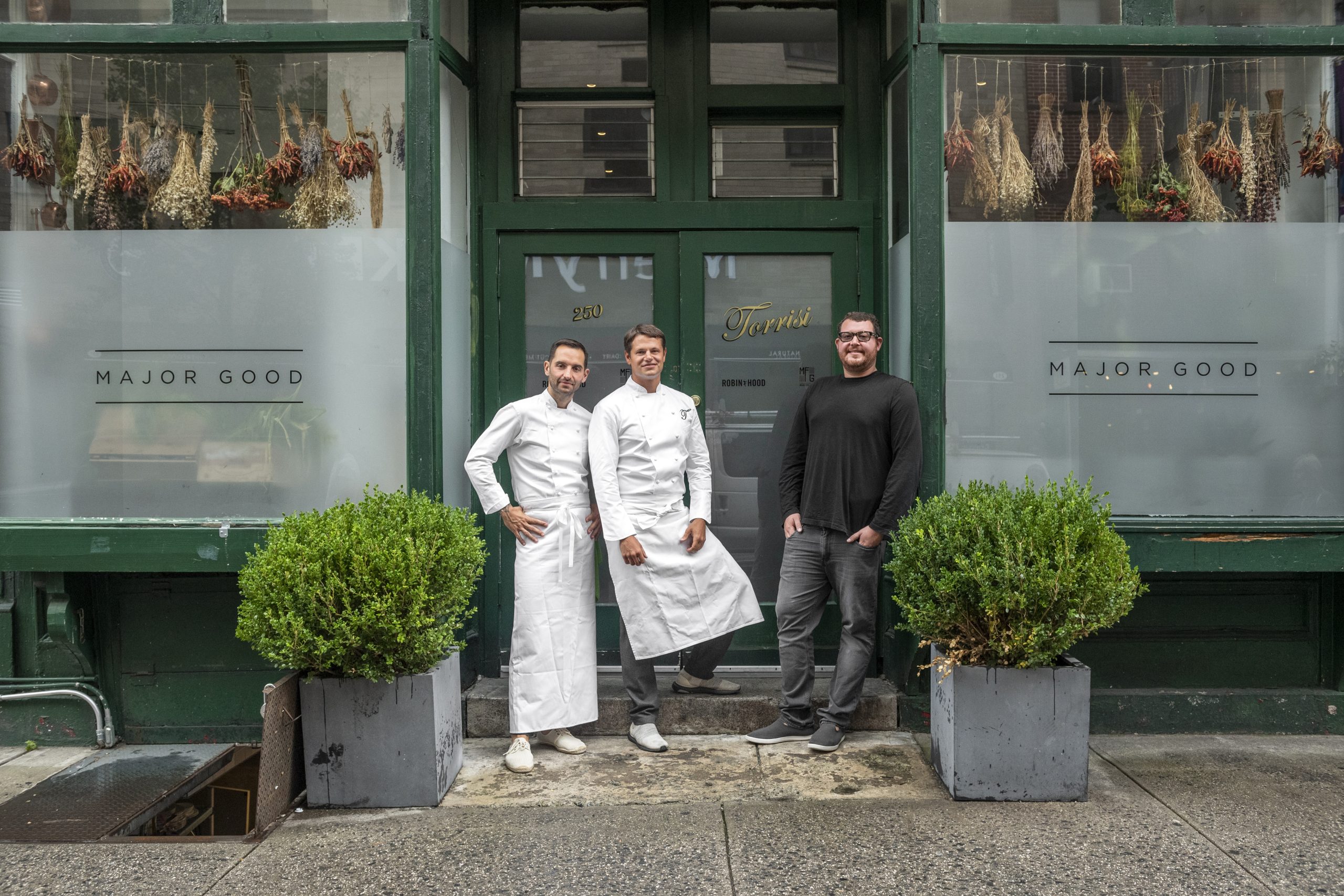
Major Food Group Is Taking Over the Former Tribeca Grill Space — Here’s What to Know
Major Food Group confirms plans to open a new Rich Torrisi-led American tavern and steakhouse at the former Tribeca Grill address, in 2027.

Nordstrom & adidas Launch Nationwide FIFA World Cup 2026 Retail Experience Across U.S. Host Cities
Nordstrom and adidas launch a nationwide FIFA World Cup 2026 retail experience across New York, Seattle, Miami, and more.
Celebrity Trainer Shuichi Take Launches V40, an Elite Fitness Coaching Platform for High-Performing Men
Celebrity trainer Shuichi Take launches V40, a personalized fitness coaching program designed for busy, high-performing men.
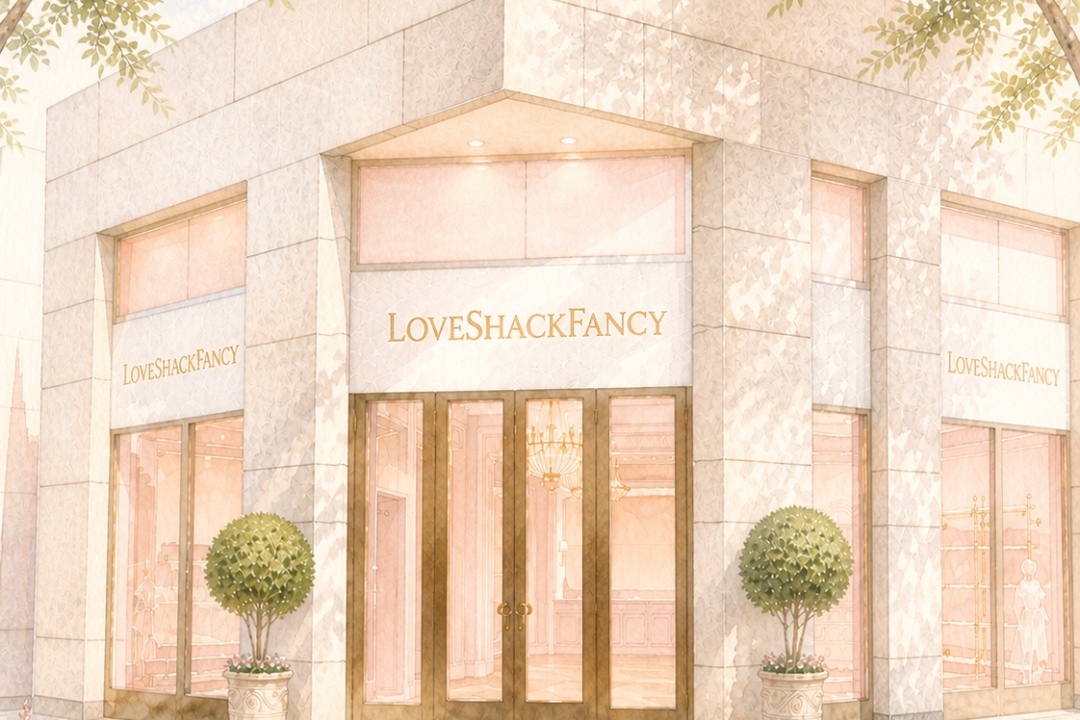
LoveShackFancy Leads Buckhead Village’s Big Year: Inside Atlanta’s Big Retail Boom
LoveShackFancy has opened its first Georgia store at Buckhead Village, a 2,100-square-foot space designed to look like a historic French townhouse—powder-pink and cream walls, intricate moldings, pale oak floors, brass rails, and fresh roses. Founded by Rebecca Hessel Cohen in 2013, the New York label built its following on a romantic, vintage-inspired look heavy on […]

Piccolo MORINI Returns to SoHo with Handmade Pasta, Signature Cocktails, and a Reinvented Legacy
Piccolo MORINI returns to SoHo with handcrafted pasta, martinis, and a vibrant new take on the iconic MORINI legacy.

Business Owner Strategy Summit: Helping Owners Unlock Value and Maximize Their Exit
BOSS Summit Miami brought business owners together to learn exit planning, tax strategies, wealth preservation, and M&A.
Latest Stories
Trending Articles




Related Articles
Major Food Group Is Taking Over the Former Tribeca Grill Space — Here’s What to Know
Major Food Group confirms plans to open a new Rich Torrisi-led American tavern and steakhouse at the former Tribeca Grill address, in 2027.
Nordstrom & adidas Launch Nationwide FIFA World Cup 2026 Retail Experience Across U.S. Host Cities
Nordstrom and adidas launch a nationwide FIFA World Cup 2026 retail experience across New York, Seattle, Miami, and more.
Celebrity Trainer Shuichi Take Launches V40, an Elite Fitness Coaching Platform for High-Performing Men
Celebrity trainer Shuichi Take launches V40, a personalized fitness coaching program designed for busy, high-performing men.
LoveShackFancy Leads Buckhead Village’s Big Year: Inside Atlanta’s Big Retail Boom
LoveShackFancy has opened its first Georgia store at Buckhead Village, a 2,100-square-foot space designed to look like a historic French townhouse—powder-pink and cream walls, intricate moldings, pale oak floors, brass rails, and fresh roses. Founded by Rebecca Hessel Cohen in 2013, the New York label built its following on a romantic, vintage-inspired look heavy on […]
Piccolo MORINI Returns to SoHo with Handmade Pasta, Signature Cocktails, and a Reinvented Legacy
Piccolo MORINI returns to SoHo with handcrafted pasta, martinis, and a vibrant new take on the iconic MORINI legacy.
Business Owner Strategy Summit: Helping Owners Unlock Value and Maximize Their Exit
BOSS Summit Miami brought business owners together to learn exit planning, tax strategies, wealth preservation, and M&A.
Subscribe to Haute Living
Receive Our Magazine Directly at Your Doorstep
Embark on a journey of luxury and elegance with Haute Living magazine. Subscribe now and have every issue conveniently delivered to your home. Experience the pinnacle of lifestyle, culture, and sophistication through our pages.


Haute Black Membership
Your Gateway to Extraordinary Experiences
Join Haute Black and unlock access to the world's most prestigious luxury events