
Modern Masters: Timeless examples of modern architecture

The timeless examples of modern architecture that dot the hills above LA can be called nothing less than works of art, brought to us from the brilliant minds of architects like Koenig, Neutra, Hermann and Eyster
By Antonio DiGiacomo
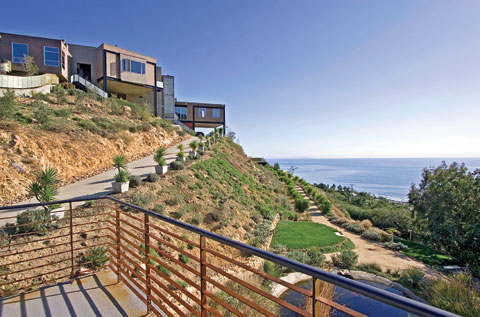
[highlight_text] Clean lines, purity of space, and use of light are, to be sure, all elements of Minimalism. [/highlight_text]
The Bauhaus revival of the 1950s and 60s marked the culmination of circumstances in architecture, both revolutionary and retrogressive. It produced the Case Study Houses, standing as one of the defining events in that architectural revolution – the genesis of modernism, borne of minimalism. There are several examples (Frank Lloyd Wright’s or Le Corbusier’s work) marking this seminal shift in design theology, and the Case Study Houses are by no means the inaugural offering in the Modernist Movement. It was simply the first widely iconic contribution, galvanizing one stage and catalyzing another.
In this regard, Southern California made for a fertile breeding ground for the great minds of residential modernism. Those who were not from there ultimately wound up there. That it is an area formed from the business of making icons would ensure that its architectural marvels would naturally follow suit. It certainly didn’t hurt that the dynamic of creative enterprise that produced much of its prosperity was forged by progressive minds that demanded more individuality in their homes than the obligatory Tudor or Colonial styles that the rest of America’s wealth was housed in. Architectural geniuses like Pierre Koenig, author of the Case Study Houses’ most eloquent Chapters, #21 and #22, were happy to oblige. Richard Neutra, John Lautner, and others also contributed brilliant landmarks to the Southern California hillsides.
A common misconception exists that Modernism grew out of Art Moderne—the school of architecture widely confused with Art Deco. But Art Moderne was tilted more toward the “Art” than the “Moderne”, defining itself through ornamentation and voice that, though modern for its era (1920s), would hardly serve as a recognizable parent in a family portrait with Modernism as we know it. Minimalism, on the other hand, would appear almost as a fraternal twin gracing the same comparative visual analysis.
To the untrained observer, Minimalism and Modernism can be nearly indiscernible. To have a better understanding of the two we must distill them to their basic ideologies. Minimalism is, in fact, age old. Because it, in principle applied, is absent of digression or distractive ornament it has been favored by those for whom austerity and purity are values supporting not only a design ideology but a life-system as well. There are examples of startling visionary minimalist structures that, for instance, were fostered by the Trappist Monks of the Cistercian Order, which pre-date even the Victorian era. Austerity would be replaced with what we might call Germanic stoicism in Minimalism’s later incarnation, crystallized by Mies van der Rohe’s famous declaration that “less is more.”
Clean lines, purity of space, and use of light are, to be sure, all elements of Minimalism. But we know these to also be the ingénues of Modernism. The same could be said of the truism that form must serve function. Where minimalism stands its ground is in the prevailing demonstrations that a form should never exceed its function. Though I believe there is a spiritual charm to such reductions they, if too rigidly adhered to, can strike as critically limiting.
Here Modernism leaps forward. Espousing the idea that the virtues of Minimalism and the virtues of overt creativity are not mutually exclusive, it leaves that false dichotomy on the doorsteps of some of the most amazing conceptualizations turned material building that the world can boast. Case Study #22 is one of the most famously photographed residences in Modernism’s history for a reason. Few things that were not created by whatever gods may be can rival its visual impact.
It is this potential for emotional effect that serves as a demarcation line in the Minimalism/Modernism discussion. A rising starchitect on the So Cal scene, savant Steve Hermann of Hermann Design & Development states, “One thing I like to do when I walk into a room is look at the composition of that room like a photographer or cinematographer would. What is the experience you have when you walk in?” Hermann is self-taught (a pedigree shared by several of Modernism’s early geniuses) having plied his trade renovating low-income houses. His acumen at such proved to be so natural that he quickly rose to prominence and presently has made almost forty contributions to the movement defined by inventiveness. His works of art dot the hills, attracting the attention of celebrities from the likes of Christina Aguilera and Courtney Cox to Byron Allen and Frankie Muniz. He explains, “The Hollywood Hills are a great setting [for Modernist homes], because the views of Los Angeles are one of the greatest backdrops anyone could have for a building.”
Today, innovative architects like Hermann and Jeffrey Eyster from abrahams + eyster architects help carry on the proud tradition of inventive architecture along the Pacific Coast Region. Eyster, like many of the pioneers of modern architecture, has a penchant for versatility. “I get requests from both ends of the client spectrum,” he says. “Those who are building $10 million homes and want healthy water and healthy lifestyle options, and other clients who are building 3000 square foot homes who want those things as well.”
As evidence of his commitment to clients across that spectrum, he points out that he has built homes complete with private ballrooms/nightclubs for celebrities whose status is such that they require this alternative to public socializing. Conversely, he is working a green living project for 16 sustainable homes called “New Leaf Hills.” True to the modernist ideals, it employs some amazingly creative alternatives to traditional practices. “We use recycled denim for our insulation instead of unhealthy fiberglass,” he offers as an example. Outside the diverse-minded ethics of Modernism, the probability of the same firm building for wealthy clients and also multi-unit projects whose homes were more attainable would be pretty slim.
Whether the abrahams + eyster home be 2,300 square feet or 25,000 square feet, one can expect custom design that caters to the client’s lifestyle, a factor that tends to be consistent throughout the Modernist movement. Stephen Shapiro of Westside Estate Agency, whose firm holds the listings on some spectacular contemporary examples, explains, “As people acquire more wealth, they want to be more of an individual, and I think architectural properties allow someone to be more of an individual. They seem to be built idiosyncratically to the occupants of the home as opposed to traditional homes, which are more of ‘everyman’-type houses. And when you start to build an architectural home, it’s built around your art collection, it’s being built around your personal lifestyle, whether it’s a shower that will hold ten or a specific point of view from a window. It seems to me that architectural homes make more of a statement about the person living in them than houses that aren’t architectural.”
Eyster can attest to this. “One of our clients likes wine,” he says, “and instead of having all their guests schlep down to the wine cellar where taking twenty people down may not be accomplished, the push of a button allows a wine cellar to come up through the floor. And then one could select their bottle of wine at the right temperature, and then send the wine cellar back down into the floor.”
Hermann takes a different tack; his homes are based around the brilliant views afforded by the California landscape. “For me, the view is half the architecture,” he explains, “and incorporating the view correctly into the house is really important in the finished product. Most of the houses I design are over 50% glass, and they usually have exposed steel where you are really focused on the inside-outside living environment. And of course, when you are in the house, you have views of the entire LA basin. The views are almost like a part of the house, a piece of furniture, absolutely integral to the experience when you are inside the house, so you really can’t separate the two.”
These two architectural firms really embody that which canonizes Modernism. Whatever cosmic forces are at work in the conspiracy of beauty and wonder, Modernism makes its art from the mind of man. One might riposte that this would be true of all architecture. What makes it uniquely so in Modernism’s case is that it is progressive via engineering and emotional context. Were a modern house not to possess a single cantilevered dormer allowing light to take form, not any of the angular asymmetry that often besets it, one could be sure there would still be engineering flights in the way of improbable load bearing beams or other such things to give it a Modernist soul.
This idea, the harmonious intercourse of the spiritual and the scientific, is the fountainhead of Modernism. By not limiting parameters of a form to a function, we don’t restrict the possibilities of function itself. We allow for the possibility to grow to consecrate the brilliance of Koenig or Neutra, Esyter or Hermann— the Case Study Houses and their predecessor and successors.
And that, surely, must be its own form of providence.
Related Articles

Cannes Lions 2026 Introduces the Creative Brand Lion and Goes All-In on AI
Cannes Lions 2026 launches the Creative Brand Lion while expanding AI, Creative Data, and Retail Media awards.
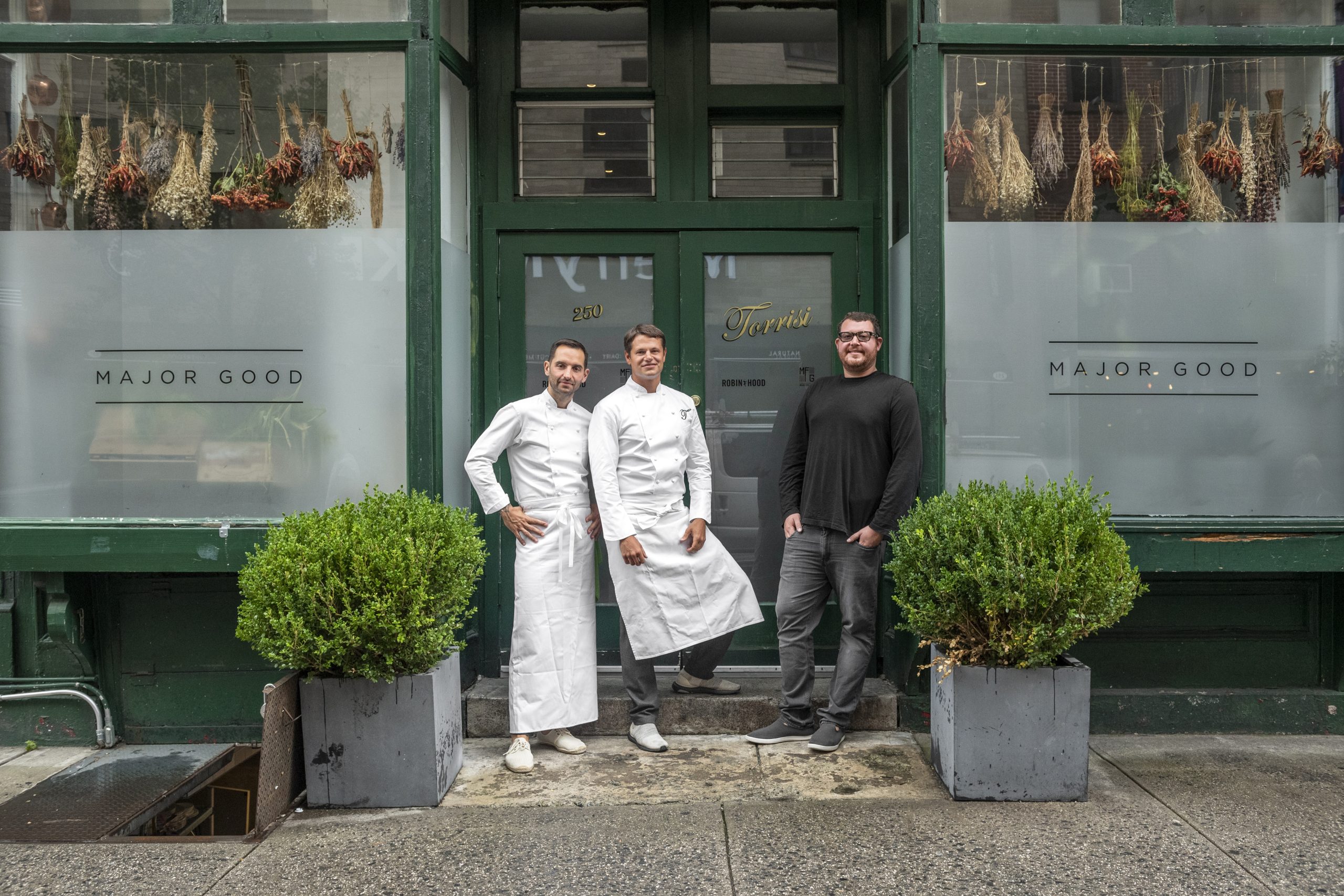
Major Food Group Is Taking Over the Former Tribeca Grill Space — Here’s What to Know
Major Food Group confirms plans to open a new Rich Torrisi-led American tavern and steakhouse at the former Tribeca Grill address, in 2027.
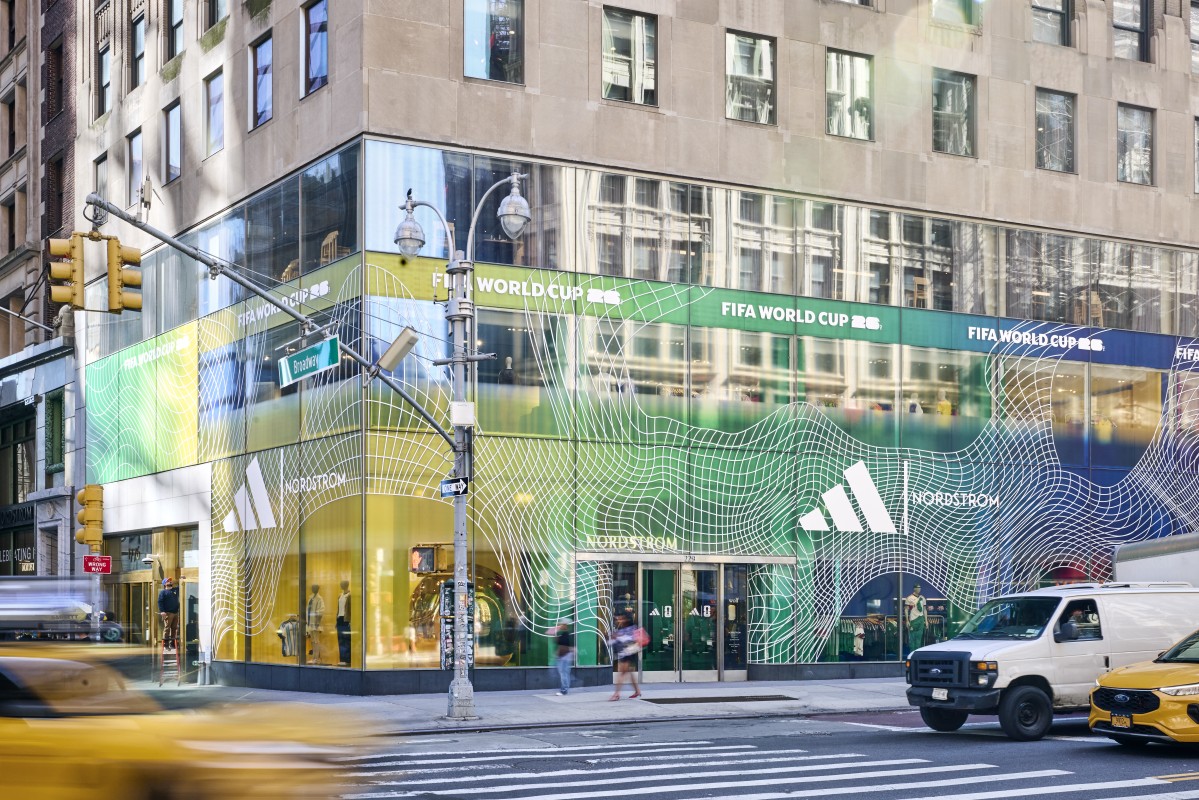
Nordstrom & adidas Launch Nationwide FIFA World Cup 2026 Retail Experience Across U.S. Host Cities
Nordstrom and adidas launch a nationwide FIFA World Cup 2026 retail experience across New York, Seattle, Miami, and more.
Celebrity Trainer Shuichi Take Launches V40, an Elite Fitness Coaching Platform for High-Performing Men
Celebrity trainer Shuichi Take launches V40, a personalized fitness coaching program designed for busy, high-performing men.

LoveShackFancy Leads Buckhead Village’s Big Year: Inside Atlanta’s Big Retail Boom
LoveShackFancy has opened its first Georgia store at Buckhead Village, a 2,100-square-foot space designed to look like a historic French townhouse—powder-pink and cream walls, intricate moldings, pale oak floors, brass rails, and fresh roses. Founded by Rebecca Hessel Cohen in 2013, the New York label built its following on a romantic, vintage-inspired look heavy on […]
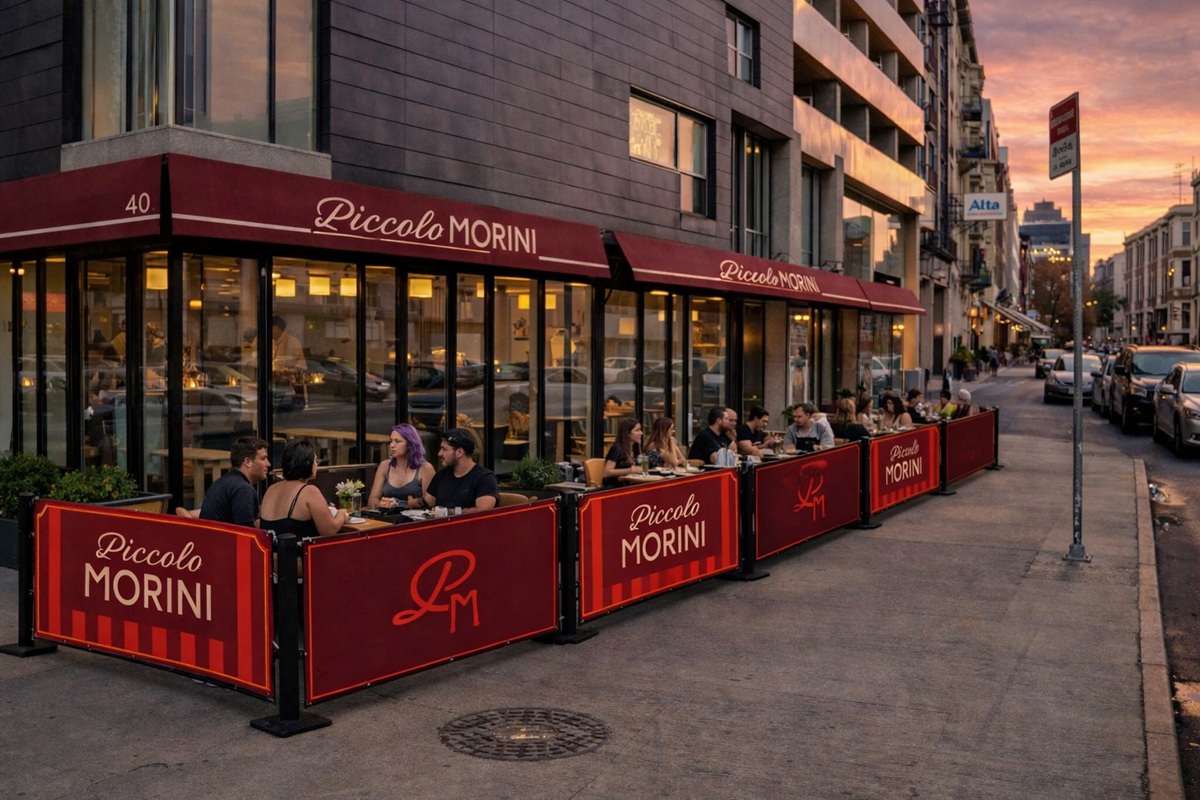
Piccolo MORINI Returns to SoHo with Handmade Pasta, Signature Cocktails, and a Reinvented Legacy
Piccolo MORINI returns to SoHo with handcrafted pasta, martinis, and a vibrant new take on the iconic MORINI legacy.
Latest Stories
Trending Articles




Related Articles
Cannes Lions 2026 Introduces the Creative Brand Lion and Goes All-In on AI
Cannes Lions 2026 launches the Creative Brand Lion while expanding AI, Creative Data, and Retail Media awards.
Major Food Group Is Taking Over the Former Tribeca Grill Space — Here’s What to Know
Major Food Group confirms plans to open a new Rich Torrisi-led American tavern and steakhouse at the former Tribeca Grill address, in 2027.
Nordstrom & adidas Launch Nationwide FIFA World Cup 2026 Retail Experience Across U.S. Host Cities
Nordstrom and adidas launch a nationwide FIFA World Cup 2026 retail experience across New York, Seattle, Miami, and more.
Celebrity Trainer Shuichi Take Launches V40, an Elite Fitness Coaching Platform for High-Performing Men
Celebrity trainer Shuichi Take launches V40, a personalized fitness coaching program designed for busy, high-performing men.
LoveShackFancy Leads Buckhead Village’s Big Year: Inside Atlanta’s Big Retail Boom
LoveShackFancy has opened its first Georgia store at Buckhead Village, a 2,100-square-foot space designed to look like a historic French townhouse—powder-pink and cream walls, intricate moldings, pale oak floors, brass rails, and fresh roses. Founded by Rebecca Hessel Cohen in 2013, the New York label built its following on a romantic, vintage-inspired look heavy on […]
Piccolo MORINI Returns to SoHo with Handmade Pasta, Signature Cocktails, and a Reinvented Legacy
Piccolo MORINI returns to SoHo with handcrafted pasta, martinis, and a vibrant new take on the iconic MORINI legacy.
Subscribe to Haute Living
Receive Our Magazine Directly at Your Doorstep
Embark on a journey of luxury and elegance with Haute Living magazine. Subscribe now and have every issue conveniently delivered to your home. Experience the pinnacle of lifestyle, culture, and sophistication through our pages.


Haute Black Membership
Your Gateway to Extraordinary Experiences
Join Haute Black and unlock access to the world's most prestigious luxury events